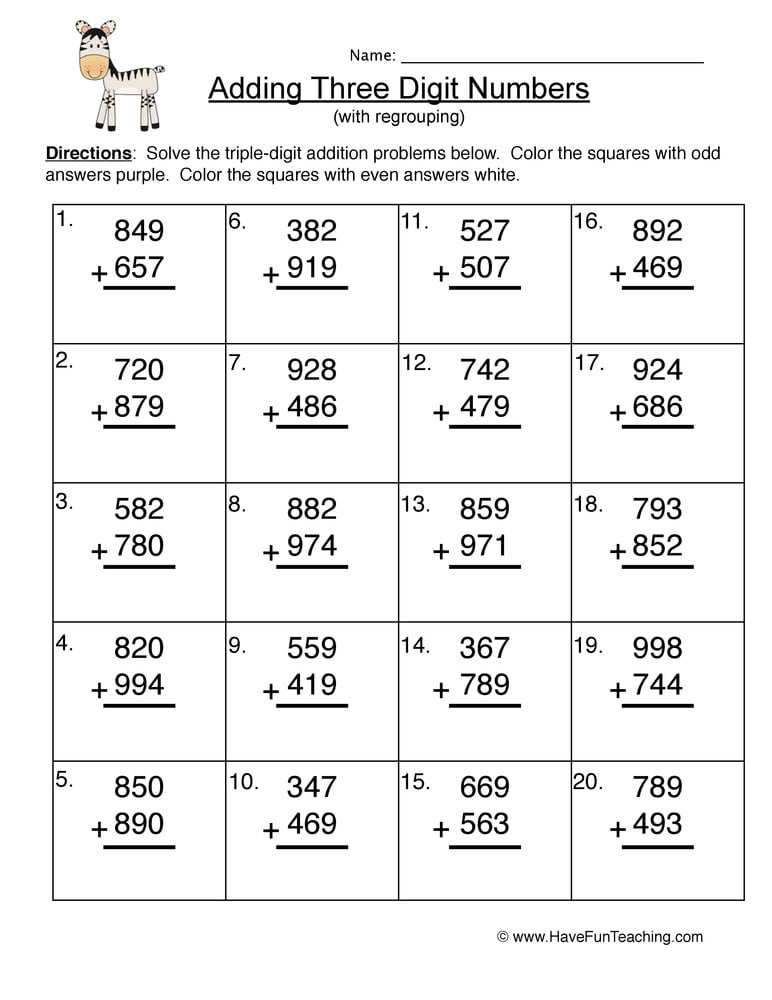
Introduction and Importance of Prodigy Math Worksheets
Engaging with math exercises outside of traditional classroom settings is crucial for reinforcing learned concepts and promoting deeper understanding. Such supplementary materials allow students to practice at their own pace, addressing areas where they might need extra attention. These resources serve as valuable tools for parents and educators seeking to support a child’s mathematical development. The structured practice helps to solidify foundational skills, making more advanced topics easier to grasp. Whether used at home, in after-school programs, or as part of a homeschooling curriculum, carefully designed exercises can significantly enhance a students confidence and proficiency in mathematics. They promote independent learning and problem-solving abilities, essential for success in academics and beyond. Regular engagement with these materials transforms math from a daunting subject to an approachable and even enjoyable activity. This approach fosters a positive attitude towards learning and sets students up for long-term mathematical success.
💡 Educational Key Takeaways:
- Core Skill: Structured Prodigy Math Worksheets focused on developing pencil grip, stroke control, and early literacy/math confidence.
- Target Scope: Suited for homeschoolers, preschool, kindergarten, and elementary learners.
- Best Recommendation: Practice 10–15 minutes daily with ergonomic writing tools to reinforce muscle memory without hand fatigue.
Structure and How It Works
The layout of effective math exercises is generally organized to facilitate progressive learning. A typical structure might include various sections targeting specific skills. Core Exercises: These sections usually present straightforward problems designed to test fundamental understanding of concepts. Examples include addition, subtraction, multiplication, division, or basic geometry. Word Problems: This portion challenges students to apply their knowledge to real-world scenarios, fostering critical thinking and problem-solving skills. Interactive Elements: Some formats incorporate visual aids, puzzles, or games to maintain engagement and make learning more enjoyable. Such elements could involve coloring activities, matching games, or even mini-quizzes presented in a fun format. The overall design prioritizes clarity, ensuring that instructions are easily understood and problems are presented in an uncluttered manner. A well-designed exercise set gradually increases in difficulty, allowing students to build confidence as they progress. Clear answer keys are often provided to facilitate self-assessment and immediate feedback, enabling students to identify and correct errors promptly. Related guide: Fraction Activity For Kindergarten.
Tips and Complementary Resources
To maximize the benefits of using supplemental exercises, a few practical tips are essential. Daily Practice Tips: Consistent, short sessions are often more effective than infrequent, lengthy ones. Aim for 15-30 minutes of focused practice each day. Create a dedicated workspace, free from distractions, to enhance concentration. Encourage students to show their work, as this helps to identify areas where they might be struggling. Pairing with Other Resources: Combine the exercises with other educational materials, such as online tutorials, interactive games, or physical manipulatives, to cater to different learning styles. Consider using the exercises as a supplement to regular classroom instruction or as a review before tests. Regularly assess progress and adjust the difficulty level accordingly to ensure that students are appropriately challenged. Celebrate successes and offer encouragement to foster a positive attitude towards learning and problem-solving. This multifaceted approach creates a well-rounded learning experience.
Conclusion
In summary, thoughtfully structured math exercises represent a powerful tool for enhancing mathematical skills and building confidence. The consistent practice they provide helps solidify foundational concepts, while the inclusion of varied problem types promotes critical thinking and problem-solving abilities. By integrating these resources into a regular learning routine, students can develop a deeper understanding of mathematics and improve their overall academic performance. The benefits extend beyond the classroom, fostering valuable skills applicable to real-world situations. Parents and educators are encouraged to explore the potential of these materials as a means of supplementing traditional instruction and supporting individual learning needs. Consider exploring related online platforms, educational games, and interactive learning modules to create a comprehensive and engaging math learning experience. With dedication and the right resources, mastering mathematics becomes an achievable and rewarding journey.
Developmental Milestone & Activity Table
| Development Stage | Recommended Daily Duration | Primary Learning Objective |
|---|---|---|
| Preschool & Pre-K | 10 – 15 Minutes | Pencil grip development & basic pre-stroke lines |
| Kindergarten | 15 – 20 Minutes | Letter/number formation & spatial line awareness |
| Early Elementary (Grade 1–2) | 20 – 30 Minutes | Fluency, sentence construction & neatness |
Images References :
Discover more printable learning activities by visiting our full Fun and Seasonal Math Worksheets archive for teachers, homeschoolers, and parents.