Introduction and Importance of Engaging Numerical Worksheets
Combining numerical problem-solving with creative expression provides a powerful tool for enhanced learning, particularly in mathematics. These worksheets offer a unique approach, transforming potentially daunting equations into an enjoyable activity. This method effectively caters to diverse learning styles, making mathematical concepts more accessible and less intimidating for learners of all ages. At home, it encourages independent learning and reinforces concepts taught in the classroom. In a school setting, it provides a differentiated learning option, accommodating students who might struggle with traditional rote methods. For self-study, these activities offer a low-pressure environment to practice and solidify mathematical skills, allowing individuals to learn at their own pace and gain confidence in their abilities. This approach supports skill development in both calculation and creativity, making the learning process comprehensive and enriching. The visual and interactive elements of these resources can improve retention, promote critical thinking, and foster a positive attitude towards mathematical studies.
💡 Activity Key Takeaways:
- Core Focus: Printable Math Coloring Activities designed for creative expression and fine-motor coordination.
- Target Scope: Ideal for toddlers, preschool, kindergarten, and classroom art activities.
- Best Recommendation: Use standard heavy printer paper (24–28 lb) or cardstock for vibrant results with crayons, colored pencils, or washable markers.
Structure and How It Works
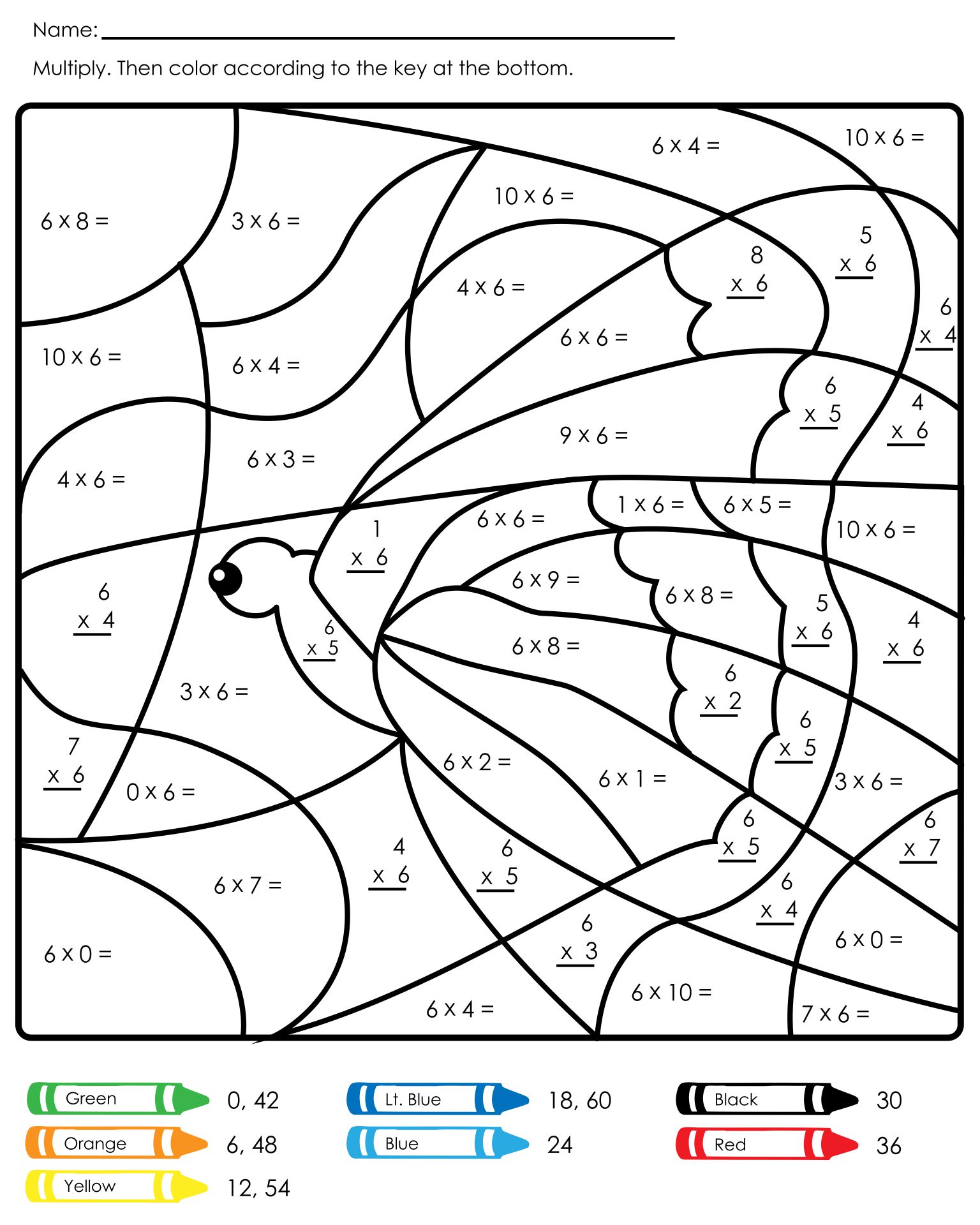
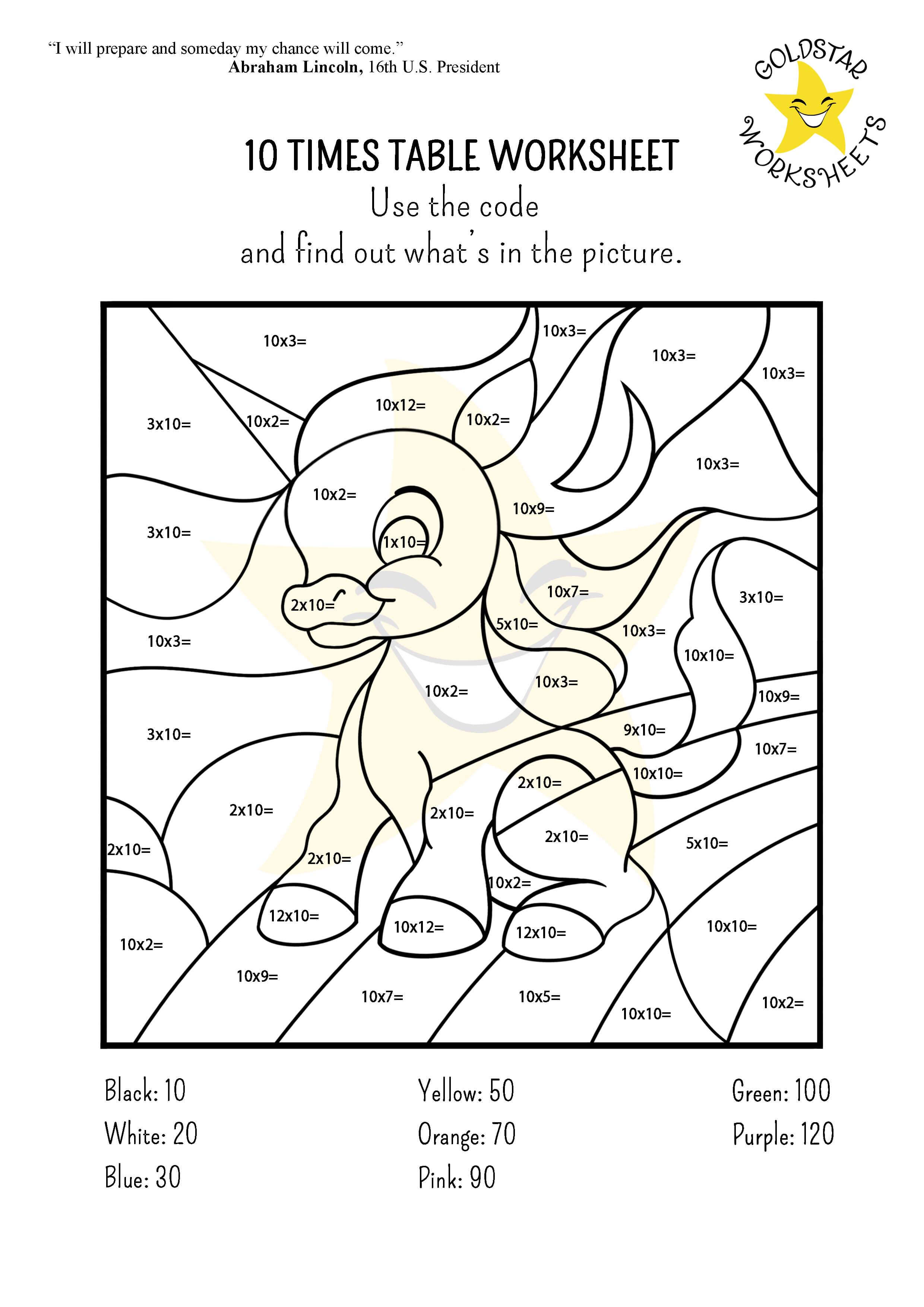
These numerical worksheets typically feature a variety of mathematical problems linked to a coloring grid or image. The structure encourages learners to solve each problem and then use the answer to determine which color to apply to a corresponding section on the grid. Core Exercises: These worksheets often include a range of mathematical operations, such as addition, subtraction, multiplication, division, fractions, decimals, or even basic algebraic equations, tailored to different grade levels and skill sets. Interactive Elements: The visual appeal lies in the unfolding of a picture as the learner progresses. Each correct answer leads to a small part of the mystery image being revealed, providing immediate positive reinforcement and intrinsic motivation. The format can be adapted to suit various themes or subjects, making the learning experience more engaging and relevant. This combination transforms numerical practice from a potentially monotonous task into an active, problem-solving adventure. By integrating logical thinking with artistic expression, it provides a comprehensive learning tool that stimulates both sides of the brain.
Tips and Complementary Resources
To maximize the benefits of these worksheets, it is important to integrate them effectively into the learning routine. Daily Practice Tips: Dedicate a specific time each day to work on these activities. Start with simpler sheets and gradually increase the complexity to challenge growing skills. Encourage learners to show their work and double-check their answers before coloring. This reinforces good problem-solving habits and reduces errors. Pairing with Other Resources: These worksheets can be effectively paired with traditional textbooks, online tutorials, and hands-on manipulatives. If a learner is struggling with a particular concept, use the worksheet as a practical application after reviewing the concept using other resources. Creating a supportive and encouraging environment is key to fostering a positive attitude toward mathematics. Celebrate completed sheets and highlight the progress made. Remember that the goal is not just to get the right answers but to develop problem-solving skills and build confidence.
Conclusion
In summary, integrating numerical computation with artistic creation presents a highly effective approach for developing and reinforcing mathematical concepts. This method helps to alleviate anxiety and foster an enjoyment of problem-solving, leading to improved understanding and retention. The benefits extend beyond rote memorization, fostering critical thinking, attention to detail, and a positive attitude towards learning. It is encouraged to incorporate these numerical activities into learning environments, whether at home, in school, or for self-study. These resources provide a unique and adaptable way to cater to diverse learning styles and skill levels. Related materials such as educational games, online math platforms, and hands-on manipulatives can further enhance the learning experience. By using these worksheets, learners can gain confidence in their mathematical abilities, improve their problem-solving skills, and develop a lasting appreciation for the beauty and logic of mathematics. This integrated approach supports a well-rounded education and empowers learners to excel in their numerical pursuits.
Key Specifications & Age-Group Overview
| Age / Grade Group | Target Skill Focus | Recommended Medium |
|---|---|---|
| Toddlers (Ages 2–4) | Hand-eye coordination & broad motor grasp | Jumbo crayons & washable finger paints |
| Early Elementary (Ages 5–7) | Line boundaries & fine pencil control | Standard colored pencils & fine-tip markers |
| Intermediate (Ages 8+) | Color blending, shading & artistic patience | Watercolor pencils, gel pens & dual-brush markers |
Images References :
Discover more printable learning activities by visiting our full Shape and Color Worksheets archive for teachers, homeschoolers, and parents.