Introduction and Importance of Multiplication Facts Colouring Pages
Mastering multiplication facts is a cornerstone of mathematical proficiency, paving the way for success in more advanced topics such as algebra and calculus. A solid understanding of these facts not only enhances problem-solving abilities but also builds confidence in mathematical reasoning. Integrating visual learning techniques, such as using colouring pages, can transform the rote memorisation process into an engaging and enjoyable activity.
💡 Educational Key Takeaways:
- Core Skill: Structured Times Tables Colouring Worksheets Free focused on developing pencil grip, stroke control, and early literacy/math confidence.
- Target Scope: Suited for homeschoolers, preschool, kindergarten, and elementary learners.
- Best Recommendation: Practice 10–15 minutes daily with ergonomic writing tools to reinforce muscle memory without hand fatigue.
These educational resources are invaluable tools for learners in various settings at home, supplementing classroom instruction, or even for self-study. The visual appeal captures and maintains attention, making it easier to absorb and retain the information. By associating numerical facts with colors and patterns, the learning process becomes more intuitive and less intimidating, fostering a positive attitude towards mathematics. Moreover, this approach caters to diverse learning styles, benefitting visual and kinesthetic learners particularly. Whether used as a supplementary resource or a primary teaching aid, colouring pages centered around multiplication facts provide a fun, effective method for solidifying fundamental mathematical skills. Related guide: Valentine Math Coloring Worksheets.
Structure and How It Works
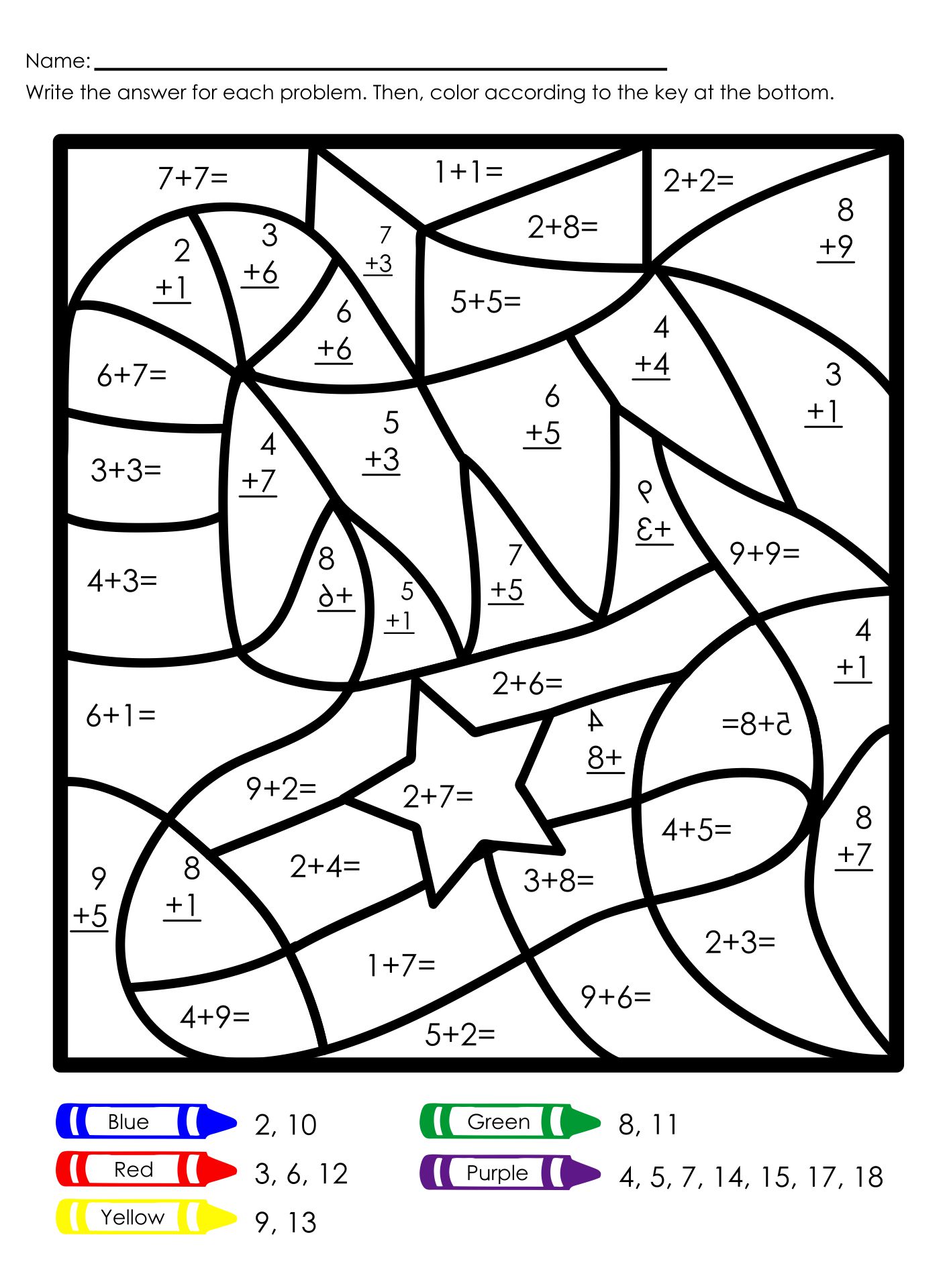
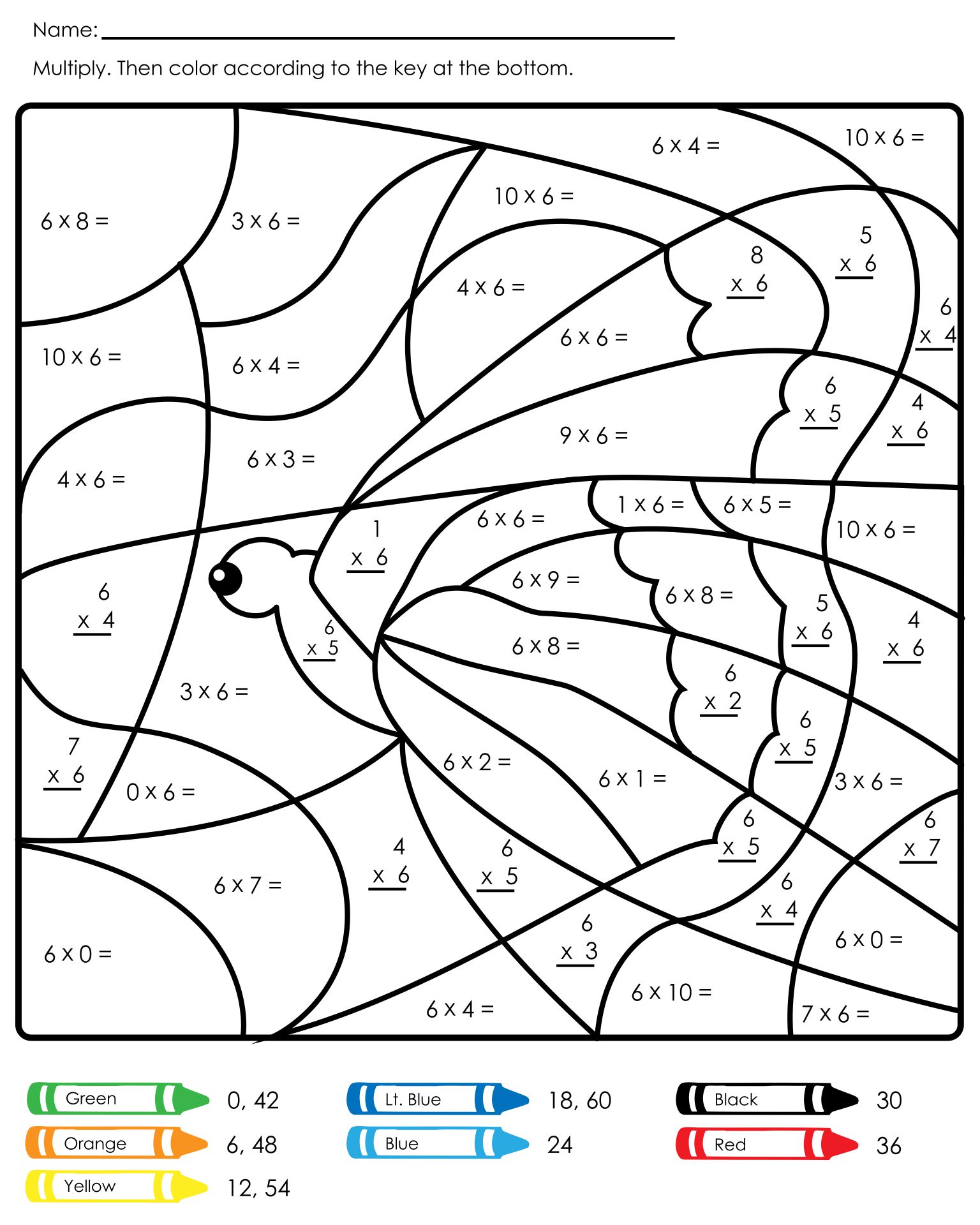
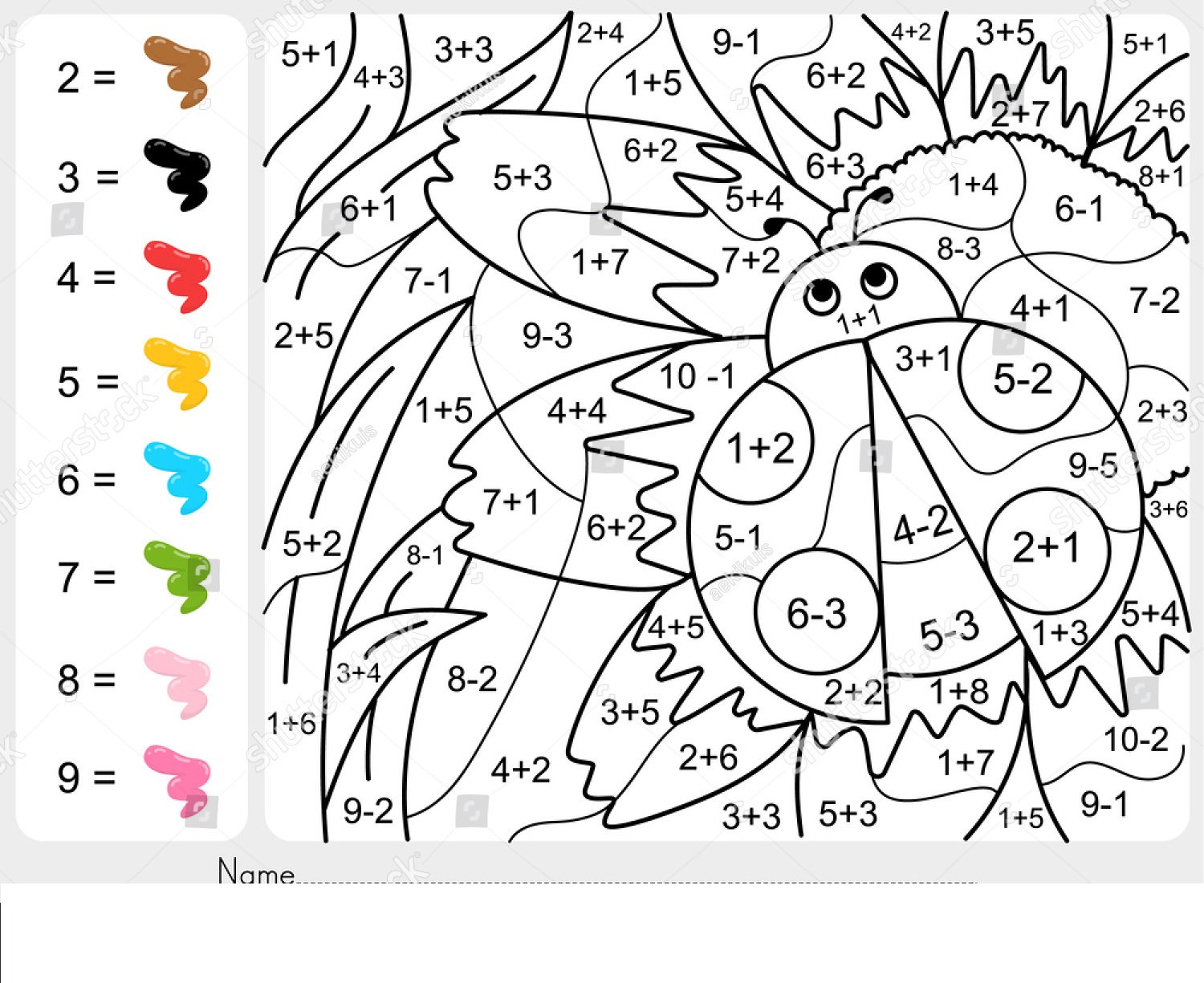
These worksheets typically feature a grid or a picture composed of various sections, each bearing a mathematical equation related to multiplication facts. Students solve the equations and then color the corresponding section according to a provided key. The design is intended to merge mathematical practice with creative expression.
Core Exercises: The primary focus is on reinforcing multiplication facts. Equations range from simple to slightly more complex, tailored to different skill levels. Worksheets may be organized by specific multiplication tables (e.g., focusing solely on the multiples of 7) or may include a mix of different tables. Interactive Elements: Beyond the core multiplication exercises, worksheets might incorporate variations to maintain engagement. This may include hidden pictures that reveal themselves as the worksheet is completed, pattern recognition exercises, or even simple word problems connected to the multiplication equations. The colour key provides a structured approach, encouraging accuracy and attention to detail. As the worksheet is completed, a visual representation of the solved problems emerges, providing a satisfying and tangible result.
Tips and Complementary Resources
Effectively using multiplication facts colouring pages requires a strategic approach. The following tips and complementary resources can enhance the learning experience.
Daily Practice Tips: Short, consistent sessions are more effective than infrequent, long ones. Aim for 15-20 minutes of focused activity each day. Encourage children to work independently, but be available to provide guidance and support when needed. Praise effort and progress, rather than focusing solely on accuracy. Pairing with Other Resources: Supplement the worksheets with other learning tools such as multiplication charts, flashcards, and online games. Incorporate real-world examples to illustrate the application of multiplication facts in daily life. For instance, calculating the total cost of multiple items or determining the area of a rectangular space. Consider using apps or websites that provide interactive multiplication practice and track progress. This diversified approach ensures a well-rounded understanding of multiplication concepts.
Conclusion
Multiplication facts colouring pages offer a unique and engaging method for mastering essential mathematical skills. By blending the process of solving equations with artistic expression, these resources transform potentially tedious exercises into enjoyable activities. The visual reinforcement provided by the colouring process enhances memory retention and fosters a deeper understanding of multiplication concepts.
The benefits extend beyond mere memorization, cultivating a positive attitude towards mathematics and empowering learners to approach mathematical challenges with confidence. Implementing these worksheets as part of a comprehensive learning strategy, alongside other resources and consistent practice, will significantly enhance mathematical proficiency. Therefore, immediate use of these readily accessible materials is highly encouraged, paving the way for a strong foundation in mathematics and future academic success. Consider exploring other related materials such as fraction colouring pages or geometric shape puzzles to further diversify and enrich the learning experience.
Developmental Milestone & Activity Table
| Development Stage | Recommended Daily Duration | Primary Learning Objective |
|---|---|---|
| Preschool & Pre-K | 10 – 15 Minutes | Pencil grip development & basic pre-stroke lines |
| Kindergarten | 15 – 20 Minutes | Letter/number formation & spatial line awareness |
| Early Elementary (Grade 1–2) | 20 – 30 Minutes | Fluency, sentence construction & neatness |
Images References :
Discover more printable learning activities by visiting our full Shape and Color Worksheets archive for teachers, homeschoolers, and parents.