Introduction and Importance of Multiplication Coloring Activities
Learning multiplication facts can be a challenging endeavor for many students. Rote memorization, while effective for some, can often lead to frustration and a lack of genuine understanding. Multiplication coloring activities offer an alternative approach that transforms this fundamental mathematical skill into an enjoyable and engaging process. These resources provide a visually appealing and interactive way for students to grasp multiplication concepts. They contribute to improved fact recall through association and visual reinforcement. The integration of art and mathematics stimulates different parts of the brain, creating more durable and meaningful learning experiences. These activities are adaptable for home, school, or independent study, and support individualized learning styles. Whether a child is struggling with multiplication or needs an extra boost, these resources serve as a supportive bridge to mathematical fluency. Utilizing these activities can turn what may have been a daunting task into a fun and rewarding adventure, building confidence and positive associations with math.
💡 Activity Key Takeaways:
- Core Focus: Printable Coloring Pages Multiplication designed for creative expression and fine-motor coordination.
- Target Scope: Ideal for toddlers, preschool, kindergarten, and classroom art activities.
- Best Recommendation: Use standard heavy printer paper (24–28 lb) or cardstock for vibrant results with crayons, colored pencils, or washable markers.
Structure and How It Works
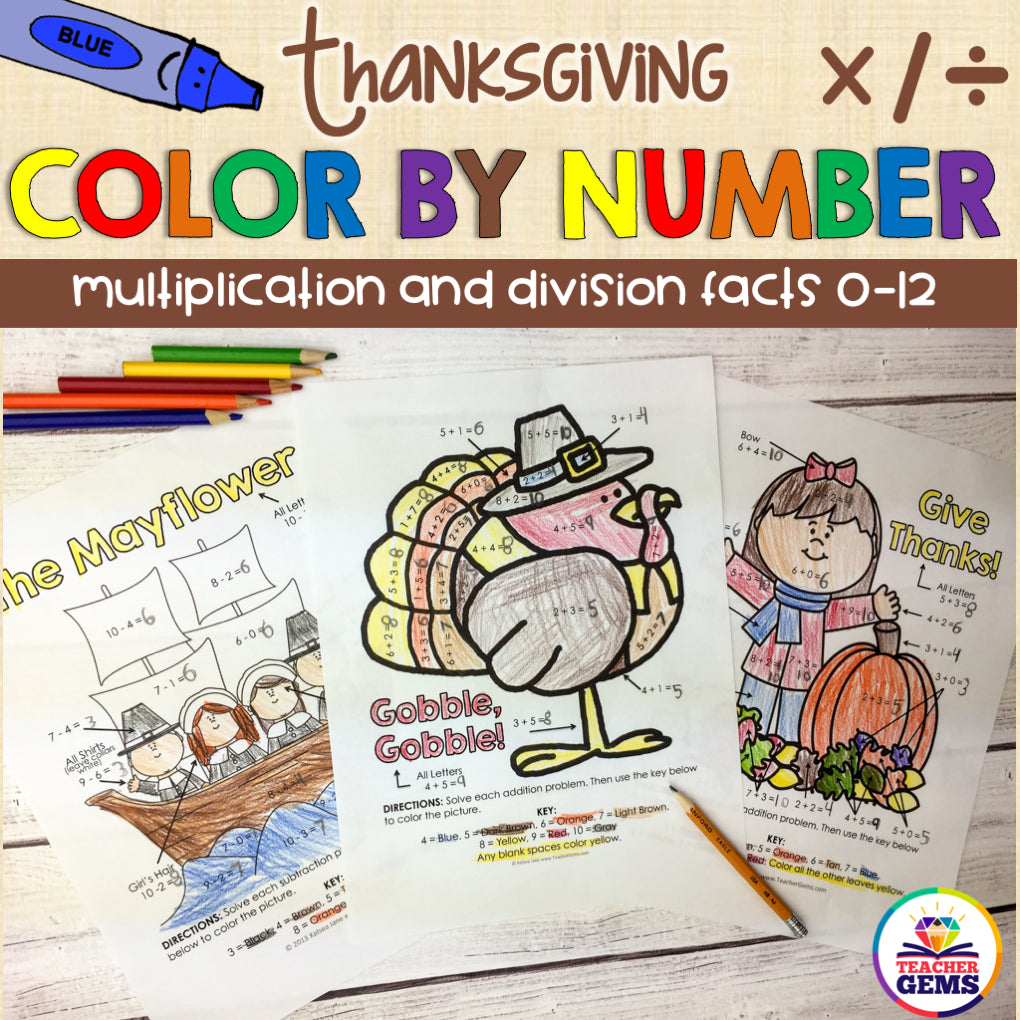
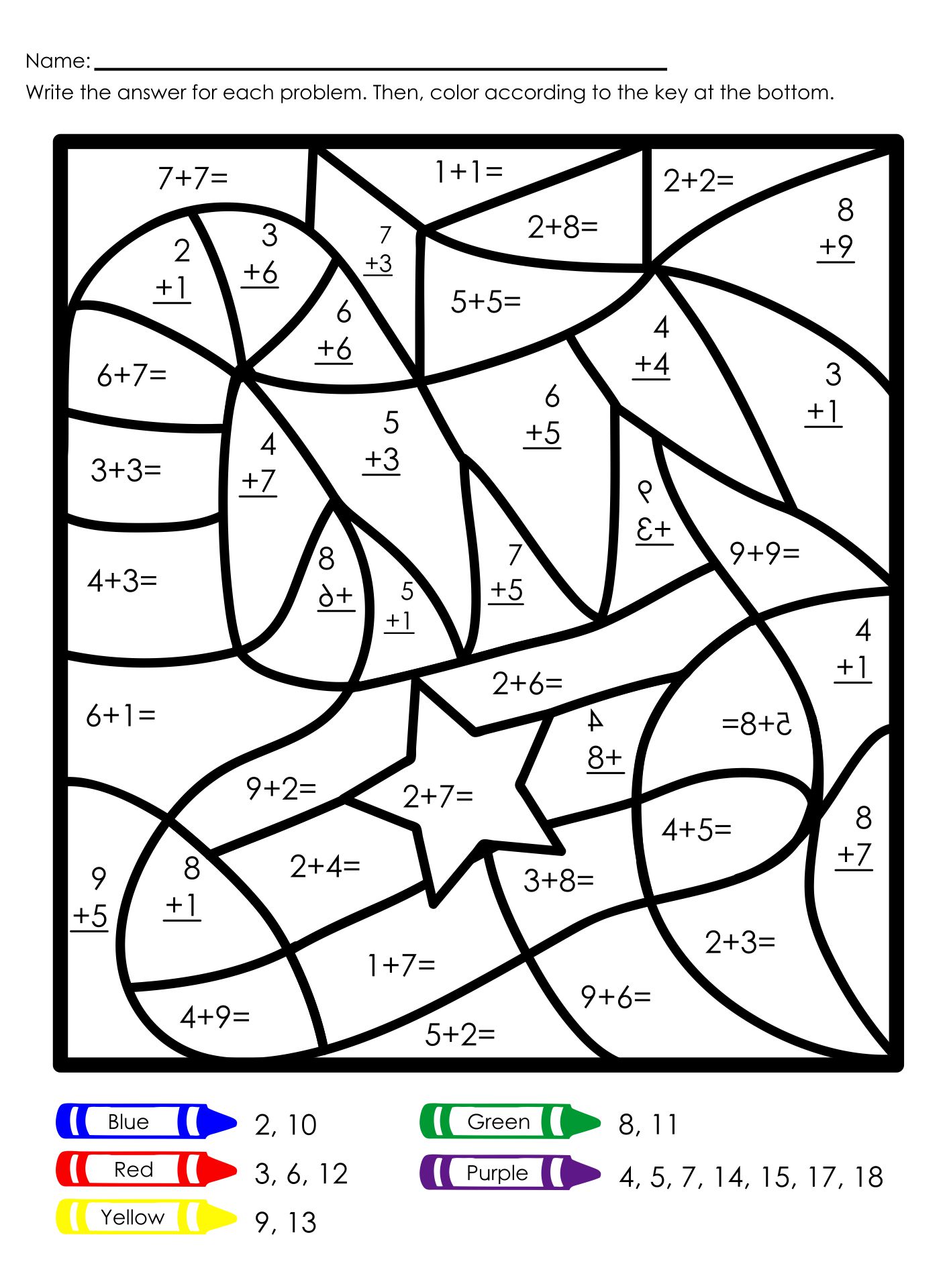
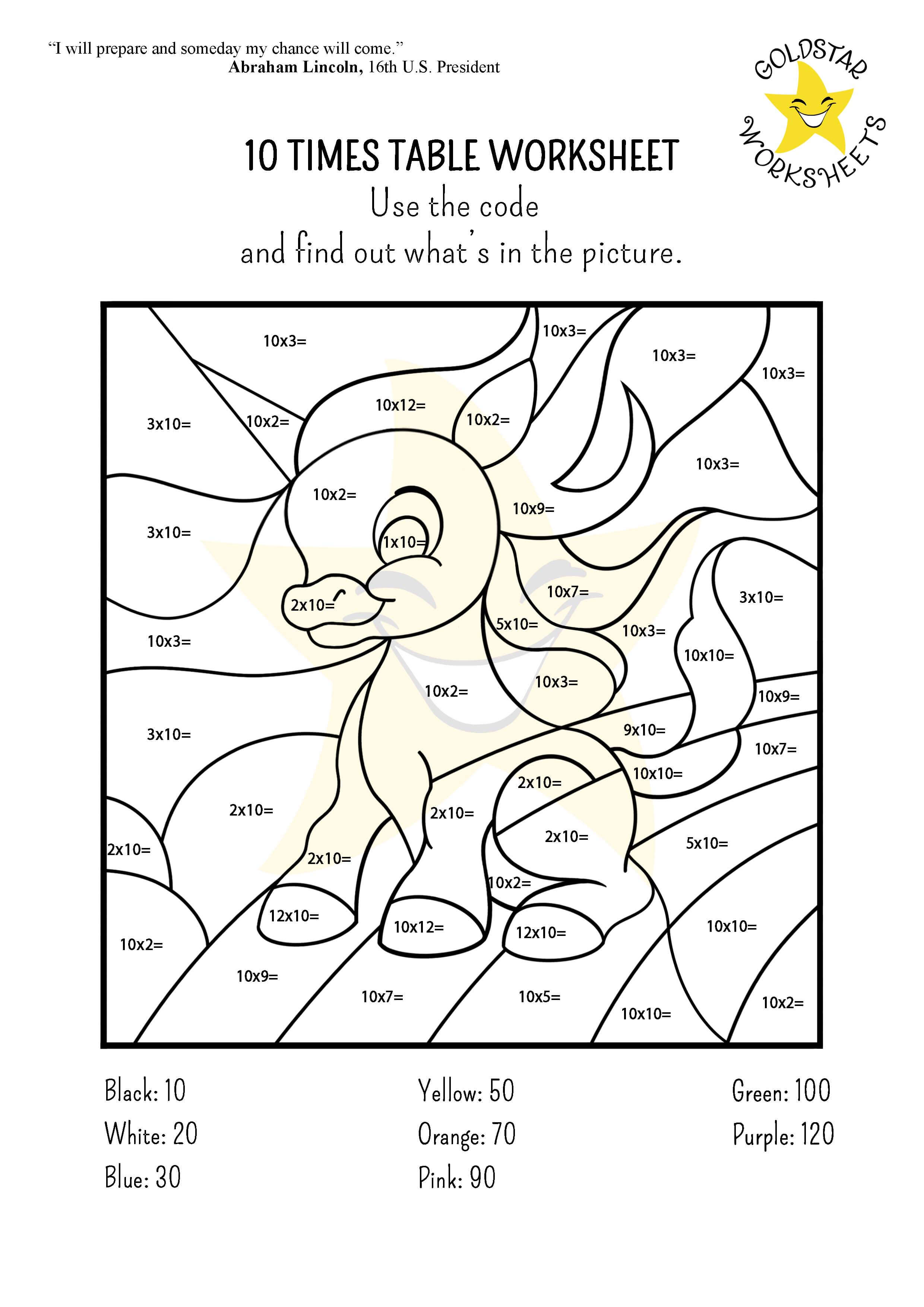
The structure of a typical multiplication coloring activity resource is straightforward, designed for ease of use and maximum engagement. Each resource generally presents a picture divided into numerous sections, each labeled with a multiplication problem. Core Exercises: The primary focus lies in solving these multiplication problems. Students must accurately calculate the product of each equation. Once the answer is determined, students correlate the answer to a designated color key provided within the activity. Interactive Elements: The color key assigns a specific color to each product, creating a direct link between mathematical accuracy and visual results. Students then color in each section according to the designated color for the solution of that specific section. This process reinforces multiplication facts in a repetitive, yet visually stimulating manner. This repetition through coloration leads to memorization of times tables and multiplication facts. The act of coloring adds an element of fun and creativity, transforming a potentially tedious math task into a playful activity. Related guide: Halloween Coloring Math Worksheets.
Tips and Complementary Resources
To maximize the effectiveness of multiplication coloring activities, consider implementing a few simple strategies. Daily Practice Tips: Short, consistent sessions of 15-20 minutes are more beneficial than infrequent, long sessions. This approach helps to reinforce learned facts without overwhelming the learner. It is a good idea to celebrate a student’s progress; praise accuracy and effort to encourage a positive attitude toward math learning. Providing a variety of coloring materials, such as crayons, colored pencils, or markers, can add to the enjoyment of the activity. Pairing with Other Resources: Consider combining these activities with traditional multiplication worksheets, online games, or flashcards to provide a well-rounded learning experience. Real-world applications of multiplication, such as calculating quantities or measuring ingredients for baking, can also help to solidify understanding. Combining the various approaches with multiplication coloring activities is an effective learning strategy.
Conclusion
Multiplication coloring activities provide an effective and engaging method for mastering essential math skills. These resources transform a potentially challenging subject into a fun and creative learning experience. By integrating visual elements and hands-on coloring, these resources facilitate improved fact recall and promote a positive attitude toward mathematics. The structure of these activities promotes ease of use and immediate application, which supports independent learning at home or in the classroom. The tips provided for maximizing effectiveness ensure that learning is both enjoyable and efficient. Embracing these activities can help foster a stronger foundation in multiplication. Complementary materials, like number charts or simple games, further enrich the student’s comprehension of math concepts. Using this tool offers a method for enhancing math abilities.
Key Specifications & Age-Group Overview
| Age / Grade Group | Target Skill Focus | Recommended Medium |
|---|---|---|
| Toddlers (Ages 2–4) | Hand-eye coordination & broad motor grasp | Jumbo crayons & washable finger paints |
| Early Elementary (Ages 5–7) | Line boundaries & fine pencil control | Standard colored pencils & fine-tip markers |
| Intermediate (Ages 8+) | Color blending, shading & artistic patience | Watercolor pencils, gel pens & dual-brush markers |
Images References :
Discover more printable learning activities by visiting our full Shape and Color Worksheets archive for teachers, homeschoolers, and parents.