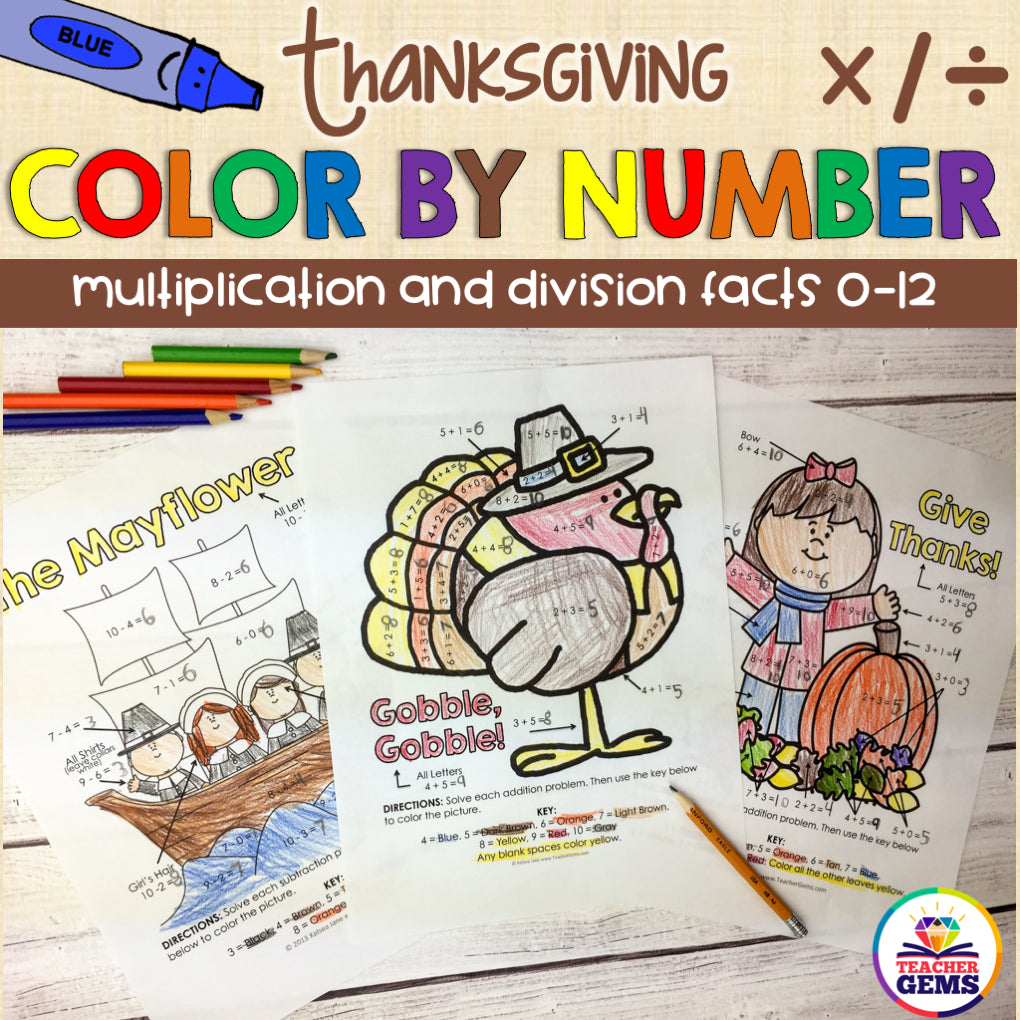
Introduction and Importance of Skill-Based Coloring Activities
Developing proficiency in two-digit addition is a fundamental step in elementary mathematics education. A resource that combines numerical practice with creative expression can be particularly effective in engaging young learners. Worksheets that integrate two-digit addition problems with coloring activities provide a dual benefit: they reinforce mathematical skills while fostering creativity and enjoyment. This approach is especially valuable for children who may find traditional math exercises monotonous. The visual appeal of coloring can transform potentially daunting arithmetic tasks into an enjoyable and anticipated activity. These activities can be readily implemented in various learning environments, including classrooms, homeschooling settings, and as supplemental practice at home. The ability to access these educational aids at no cost makes them a universally accessible tool for parents and educators alike, ensuring that all children have the opportunity to strengthen their mathematical foundation through engaging practice.
💡 Activity Key Takeaways:
- Core Focus: Printable 2 Digit Addition Coloring Worksheets Free designed for creative expression and fine-motor coordination.
- Target Scope: Ideal for toddlers, preschool, kindergarten, and classroom art activities.
- Best Recommendation: Use standard heavy printer paper (24–28 lb) or cardstock for vibrant results with crayons, colored pencils, or washable markers.
Structure and How It Works
These worksheets are typically designed with a clear and intuitive layout to maximize their educational impact. Core Exercises: The primary component involves a series of two-digit addition problems, presented in a vertical format to encourage proper alignment of digits. The number of problems per sheet is usually balanced to provide sufficient practice without overwhelming the child. The problems often vary in complexity, gradually increasing the challenge as the student progresses through the worksheet. Interactive Elements: Each problem is linked to a specific color, and the solution to the addition problem corresponds to a numbered area on a picture. The child calculates the answer, finds the matching number on the image, and colors that area accordingly. This system reinforces the connection between numerical accuracy and visual completion, offering immediate feedback on their work. The images themselves are generally simple and appealing to children, ranging from geometric patterns to familiar objects and animals, further enhancing the activity’s engagement factor.
Tips and Complementary Resources
Effective utilization of these educational resources requires thoughtful planning and implementation. Daily Practice Tips: Regular, short sessions are more effective than infrequent, lengthy ones. Encourage the child to complete one worksheet per day to reinforce their skills consistently. It is important to create a positive and supportive learning environment, praising effort and accuracy while gently correcting mistakes. Ensure the child understands the addition process before starting the coloring activity, providing assistance as needed. Pairing with Other Resources: These worksheets can be used in conjunction with other mathematical tools, such as manipulatives (e.g., base-ten blocks) or online educational games. Supplementing the worksheets with real-world examples, such as counting objects or calculating sums while shopping, can help to solidify the child’s understanding of addition in practical contexts. Consider using progress tracking apps or tools to monitor the child’s improvement and identify areas where additional support may be needed.
Conclusion
Incorporating coloring activities that feature two-digit addition problems is a simple yet effective method for enhancing mathematical proficiency in young learners. The combination of numerical practice and creative expression creates a more engaging and enjoyable learning experience, potentially fostering a more positive attitude toward mathematics. The ready availability and cost-free nature of these materials make them an accessible resource for parents and educators seeking to supplement traditional math instruction. By integrating these worksheets into a comprehensive learning plan, children can reinforce their addition skills while developing their creativity and problem-solving abilities. In addition to addition-focused worksheets, consider exploring similar resources that cover subtraction, multiplication, and division, further enriching the child’s mathematical education. Immediate use of these worksheets can start benefiting the child’s addition and math skill.
Key Specifications & Age-Group Overview
| Age / Grade Group | Target Skill Focus | Recommended Medium |
|---|---|---|
| Toddlers (Ages 2–4) | Hand-eye coordination & broad motor grasp | Jumbo crayons & washable finger paints |
| Early Elementary (Ages 5–7) | Line boundaries & fine pencil control | Standard colored pencils & fine-tip markers |
| Intermediate (Ages 8+) | Color blending, shading & artistic patience | Watercolor pencils, gel pens & dual-brush markers |
Images References :
Discover more printable learning activities by visiting our full Shape and Color Worksheets archive for teachers, homeschoolers, and parents.