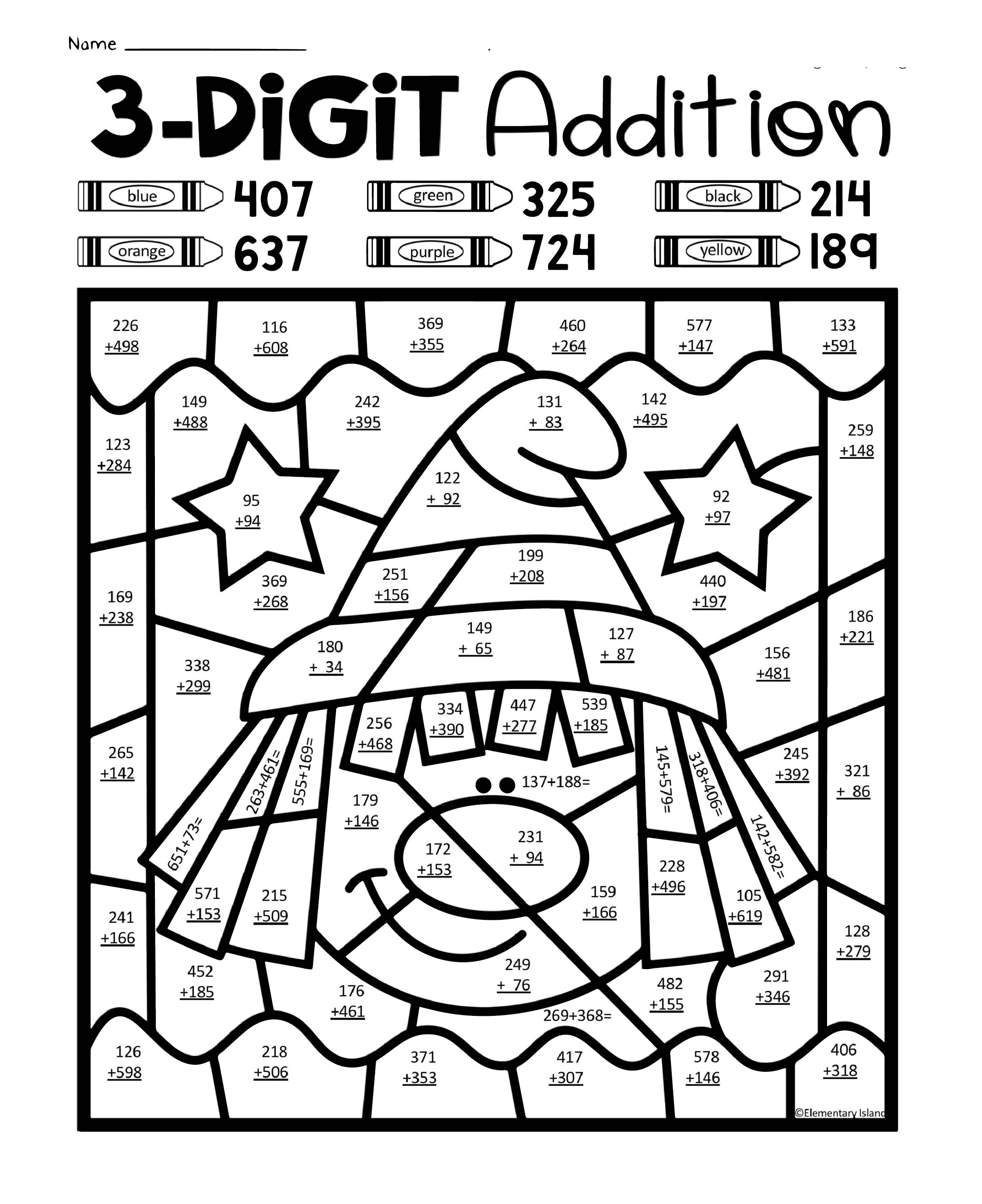
Introduction and Importance of Color-Based Multiplication Activities
Multiplication fluency is a cornerstone of mathematical proficiency, impacting success in more advanced mathematical concepts. Activities that transform rote memorization into engaging experiences are invaluable. Color-based multiplication activities present a creative avenue for mastering multiplication facts. These resources alleviate the monotony often associated with learning times tables, turning practice into an enjoyable pursuit. For educators and parents, these worksheets provide a convenient tool to reinforce multiplication skills outside traditional textbook exercises. They offer immediate feedback through the color key, allowing learners to self-correct and monitor their progress. This self-assessment feature promotes independence and encourages active participation in the learning process. At home, these activities supplement classroom learning, offering individualized practice tailored to specific learning styles. Within the classroom, they can be used as supplemental work, early finisher tasks, or engaging review activities. By connecting mathematical calculations to visual elements, these resources cater to diverse learning preferences, fostering a deeper and more lasting understanding of multiplication concepts.
💡 Activity Key Takeaways:
- Core Focus: Printable Color By Code Multiplication Worksheets designed for creative expression and fine-motor coordination.
- Target Scope: Ideal for toddlers, preschool, kindergarten, and classroom art activities.
- Best Recommendation: Use standard heavy printer paper (24–28 lb) or cardstock for vibrant results with crayons, colored pencils, or washable markers.
Structure and How It Works
These worksheets typically feature an image divided into sections, each labeled with a multiplication problem. Core Exercises: The learner solves each problem and then uses a corresponding color key to fill in the section. For instance, if 6 x 7 = 42, and the color key indicates that 42 corresponds to blue, the learner colors the section labeled “6 x 7” blue. Interactive Elements: Many worksheets incorporate a variety of problems, ranging from basic facts to more challenging calculations. Some may include mixed multiplication and division problems to promote comprehensive understanding. Advanced versions might incorporate multi-digit multiplication, providing a scaffolded approach to more complex operations. The visual design varies considerably, featuring themes ranging from animals and nature to geometric patterns and abstract designs. This thematic variety maintains engagement and caters to different interests. The color key itself is designed for clarity, typically using distinct and easily distinguishable colors. Answer keys are often included, enabling educators and parents to efficiently assess the accuracy of the completed work. The combination of problem-solving and creative coloring makes these activities particularly effective for reinforcing multiplication skills in a fun and memorable way.
Tips and Complementary Resources
Maximize the effectiveness of these worksheets by implementing strategic practices. Daily Practice Tips: Dedicate short, consistent periods to completing sections of a worksheet, rather than attempting to finish an entire sheet in one sitting. This approach promotes better retention and reduces fatigue. Encourage learners to verbalize the multiplication facts as they solve the problems and color the corresponding sections. This reinforces the connection between the equation and the solution. Pairing with Other Resources: Supplement these visual activities with other learning tools such as multiplication charts, flashcards, and online games. Using a multi-sensory approach enhances learning and caters to different learning styles. Consider using timers to add an element of challenge and promote fluency. Time how long it takes to complete a section of the worksheet, and encourage learners to improve their time with subsequent attempts. Adapt the complexity of the worksheets to the learner’s current skill level, starting with basic facts and gradually progressing to more challenging problems. Providing appropriate challenges ensures that the activity remains engaging and promotes continuous learning.
Conclusion
Color-based multiplication activities serve as a valuable tool in fostering multiplication mastery by blending mathematical practice with creative expression. Their engaging nature helps to alleviate the pressure often associated with learning multiplication facts, creating a more positive and effective learning experience. The self-assessment feature promotes independence and encourages learners to take ownership of their progress. By catering to diverse learning styles, these worksheets offer a flexible and adaptable resource for both educators and parents. Consider exploring a variety of related resources such as online multiplication games, interactive quizzes, and real-world problem-solving activities to further enhance learning. The ultimate goal is to cultivate a strong foundation in multiplication, setting the stage for success in more advanced mathematical pursuits. Start incorporating these activities into your learning routine to experience the transformative power of combining math and art. Witness firsthand how these resources can make learning multiplication an enjoyable and rewarding journey.
Key Specifications & Age-Group Overview
| Age / Grade Group | Target Skill Focus | Recommended Medium |
|---|---|---|
| Toddlers (Ages 2–4) | Hand-eye coordination & broad motor grasp | Jumbo crayons & washable finger paints |
| Early Elementary (Ages 5–7) | Line boundaries & fine pencil control | Standard colored pencils & fine-tip markers |
| Intermediate (Ages 8+) | Color blending, shading & artistic patience | Watercolor pencils, gel pens & dual-brush markers |
Images References :
Discover more printable learning activities by visiting our full Shape and Color Worksheets archive for teachers, homeschoolers, and parents.