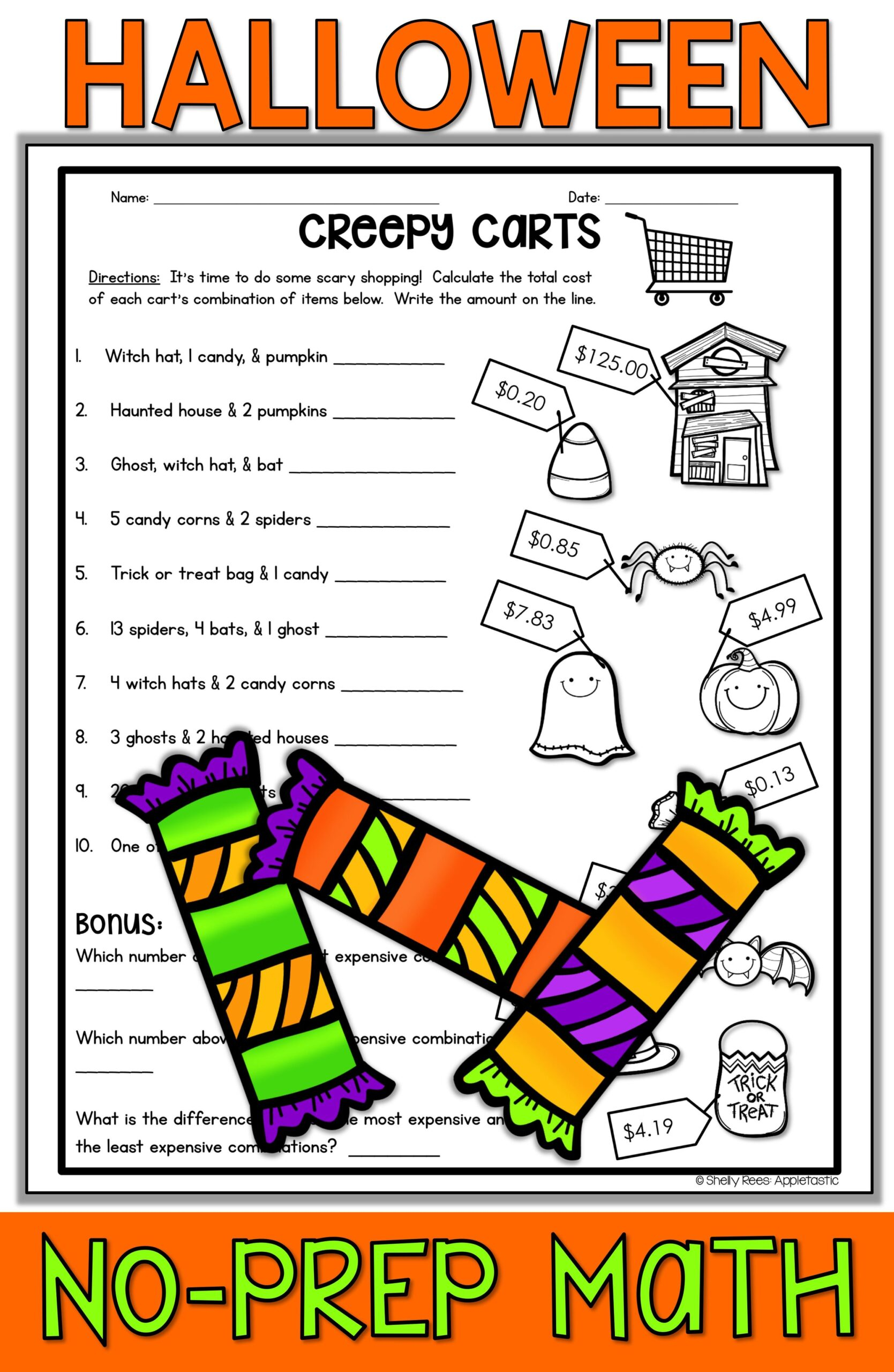
Introduction and Importance of turkey math sheet
Educational worksheets designed with a Thanksgiving theme can provide a fun and engaging method for reinforcing mathematical concepts. These tools are particularly useful for elementary school students, offering a thematic approach that can make learning more enjoyable and less daunting. The incorporation of holiday imagery and storylines into exercises helps capture children’s attention and maintain their interest. The festive design elements also associate positive emotions with the learning process. These worksheets can be a valuable supplemental resource at home, offering parents a way to support their children’s academic progress in a relaxed and festive environment. Furthermore, educators can integrate them into classroom activities to add variety and seasonal relevance to their math lessons. The worksheets can be tailored to suit different skill levels, allowing for differentiation and personalized learning experiences. By utilizing thematic resources, educators and parents can create an environment where learning is seen as an enjoyable and festive activity.
💡 Educational Key Takeaways:
- Core Skill: Structured Turkey Math Sheet focused on developing pencil grip, stroke control, and early literacy/math confidence.
- Target Scope: Suited for homeschoolers, preschool, kindergarten, and elementary learners.
- Best Recommendation: Practice 10–15 minutes daily with ergonomic writing tools to reinforce muscle memory without hand fatigue.
Structure and How It Works
These educational tools often feature a variety of problem types, including addition, subtraction, multiplication, and division, tailored to different grade levels. Core Exercises: Typically, the worksheet includes sections dedicated to practicing basic arithmetic skills. These sections might involve solving equations, filling in missing numbers, or comparing quantities. The problems are often designed to progressively increase in difficulty, allowing students to build their confidence as they progress. Interactive Elements: Many worksheets also incorporate visual aids, such as pictures of turkeys, cornucopias, or other Thanksgiving-related items, to make the exercises more engaging. Some may include word problems that require students to apply their mathematical knowledge to real-life scenarios, such as calculating the ingredients needed for a Thanksgiving feast. Coloring activities or simple games may also be included to provide a break from more traditional problem-solving. The overall layout is generally designed to be clear and easy to follow, with ample space for students to show their work. Instructions are typically straightforward and concise, ensuring that students understand what is expected of them.
Tips and Complementary Resources
To maximize the effectiveness of these educational materials, implementing several strategies can be beneficial. Daily Practice Tips: Consistency is key; dedicating a short period each day to completing a few problems can lead to significant improvement over time. It is also helpful to create a dedicated workspace that is free from distractions, allowing the student to focus on the task at hand. When a student encounters difficulty, providing gentle guidance and encouragement, rather than simply giving the answer, can foster problem-solving skills. Pairing with Other Resources: Consider supplementing the worksheet with other educational materials, such as online tutorials, math games, or real-world examples. For instance, using Thanksgiving-themed manipulatives, such as candy corn or pumpkin seeds, can help younger children visualize mathematical concepts. Engaging with these worksheets as a family can also enhance the learning experience and create positive associations with mathematics. Reviewing previously completed worksheets can reinforce concepts and identify areas where additional practice may be needed.
Conclusion
The incorporation of a Thanksgiving theme into mathematical practice can transform a potentially mundane task into an engaging and enjoyable learning experience. The worksheet’s festive design and thematic problems can capture students’ attention and foster a positive attitude toward mathematics. By providing a structured and visually appealing format, these resources support skill development and reinforce key concepts in an accessible manner. The adaptability of these worksheets to different skill levels makes them a valuable tool for educators and parents alike. The benefits extend beyond academic gains, fostering problem-solving skills and critical thinking abilities. By leveraging the power of thematic learning, these tools demonstrate that education can be both effective and enjoyable. Utilizing these resources can contribute to a more positive and engaging learning environment. It is encouraged to explore this worksheet to boost math skills in a festive, and effective way. Related materials that feature other holiday themes or focus on specific mathematical concepts can further enhance learning.
Developmental Milestone & Activity Table
| Development Stage | Recommended Daily Duration | Primary Learning Objective |
|---|---|---|
| Preschool & Pre-K | 10 – 15 Minutes | Pencil grip development & basic pre-stroke lines |
| Kindergarten | 15 – 20 Minutes | Letter/number formation & spatial line awareness |
| Early Elementary (Grade 1–2) | 20 – 30 Minutes | Fluency, sentence construction & neatness |
Images References :
Discover more printable learning activities by visiting our full Fun and Seasonal Math Worksheets archive for teachers, homeschoolers, and parents.