Introduction and Importance of Easter-Themed Addition Activities for Kindergarten
Developing a strong foundation in early math concepts is crucial for a child’s future academic success. Addition is one of the fundamental building blocks, and mastering it early sets the stage for more complex mathematical reasoning later on. Engaging young learners in this process requires creative and age-appropriate materials. Worksheets that incorporate festive themes, like Easter, can significantly boost engagement and motivation. These materials transform what might seem like a chore into a fun and enjoyable activity. Integrating visually appealing elements related to Easter helps capture childrens attention and makes learning addition more memorable. The worksheets provide focused practice, reinforcing number recognition and basic addition skills in a playful context. Whether used at home, in the classroom, or for supplemental self-study, these resources offer a valuable tool for educators and parents aiming to make early math learning both effective and enjoyable.
💡 Educational Key Takeaways:
- Core Skill: Structured Easter Addition Worksheets For Kindergarten focused on developing pencil grip, stroke control, and early literacy/math confidence.
- Target Scope: Suited for homeschoolers, preschool, kindergarten, and elementary learners.
- Best Recommendation: Practice 10–15 minutes daily with ergonomic writing tools to reinforce muscle memory without hand fatigue.
Structure and How It Works
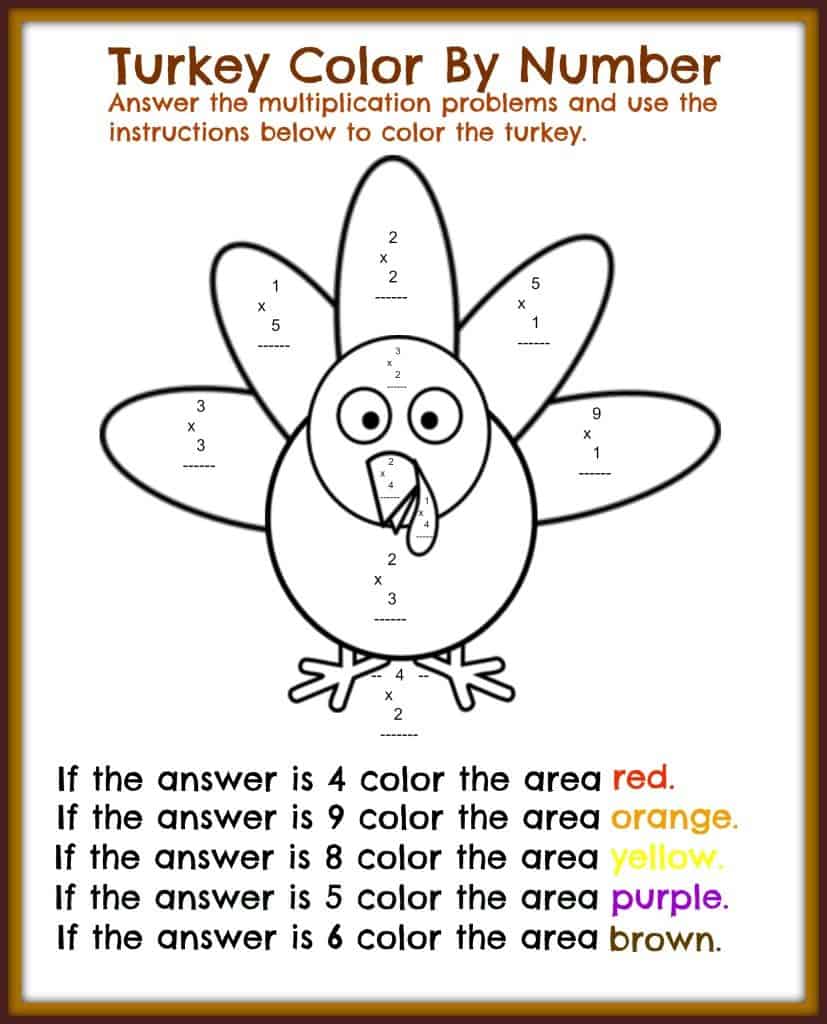
Easter-themed addition materials for kindergarten are generally structured to promote a clear and progressive understanding of addition concepts. Core Exercises: Typically, these worksheets begin with simple addition problems using pictures of Easter-related items such as eggs, bunnies, and chicks. Children count the items and then combine the groups to find the sum. The problems progressively increase in difficulty, gradually moving towards numerical representations without visual aids. Interactive Elements: Many worksheets include activities like coloring pages where children color sections based on the answers to addition problems. This combines mathematical practice with creative expression. Furthermore, activities like matching games, where children match addition problems with their correct sums, can reinforce learning in an engaging way. Some resources also incorporate number lines to help children visualize the addition process, enabling them to physically count and understand the concept of adding quantities together. The overall design aims to make learning intuitive and enjoyable for young learners.
Tips and Complementary Resources
To maximize the benefits, the incorporation of some tips is vital. Daily Practice Tips: Short, focused sessions are generally more effective than long, infrequent ones. Aim for 15-20 minutes of focused practice each day. Encourage children to verbalize the addition process, for example, saying two plus three equals five as they solve the problems. Positive reinforcement and praise can also significantly boost confidence and motivation. Pairing with Other Resources: These worksheets can be effectively combined with other educational tools. Manipulatives such as counters, beads, or small toys can help children visualize addition problems. Reading age-appropriate math storybooks can also reinforce addition concepts in a narrative context. Online educational games and apps offer another avenue for interactive and engaging practice. Integrating a variety of resources can cater to different learning styles and keep the learning experience fresh and engaging.
Conclusion
Easter-themed addition materials for kindergarten provide a fun and effective way to introduce and reinforce basic addition skills. By incorporating festive elements and engaging activities, these resources can transform math learning into an enjoyable experience for young learners. The structured exercises, combined with interactive elements, ensure a progressive understanding of addition concepts. By implementing the suggested tips for daily practice and pairing these resources with other educational tools, parents and educators can create a comprehensive and stimulating learning environment. The goal is to instill a positive attitude towards math from an early age. By embracing these activities, children not only develop essential mathematical skills but also build confidence and a lifelong love of learning. Consider exploring other related materials, such as subtraction worksheets or number recognition activities, to further enhance their mathematical foundation.
Developmental Milestone & Activity Table
| Development Stage | Recommended Daily Duration | Primary Learning Objective |
|---|---|---|
| Preschool & Pre-K | 10 – 15 Minutes | Pencil grip development & basic pre-stroke lines |
| Kindergarten | 15 – 20 Minutes | Letter/number formation & spatial line awareness |
| Early Elementary (Grade 1–2) | 20 – 30 Minutes | Fluency, sentence construction & neatness |
Images References :
Discover more printable learning activities by visiting our full Fun and Seasonal Math Worksheets archive for teachers, homeschoolers, and parents.