Introduction and Importance of Times Table Mastery for Key Stage 2
A strong grasp of multiplication facts is fundamental for success in mathematics at Key Stage 2. Proficiency in this area provides a crucial foundation for more complex mathematical concepts encountered later in education, such as division, fractions, percentages, and algebra. The ability to quickly recall multiplication facts reduces cognitive load, allowing children to focus on problem-solving strategies rather than struggling with basic calculations. This, in turn, builds confidence and fosters a more positive attitude towards mathematics. Furthermore, real-world applications of multiplication skills are abundant, ranging from calculating costs while shopping to measuring ingredients while cooking. Mastering multiplication tables at this stage prepares students for these practical situations and equips them with a valuable life skill. A solid understanding provides a significant advantage as students progress through their mathematical journey.
💡 Educational Key Takeaways:
- Core Skill: Structured Times Table Activities Ks2 focused on developing pencil grip, stroke control, and early literacy/math confidence.
- Target Scope: Suited for homeschoolers, preschool, kindergarten, and elementary learners.
- Best Recommendation: Practice 10–15 minutes daily with ergonomic writing tools to reinforce muscle memory without hand fatigue.
Structure and How It Works
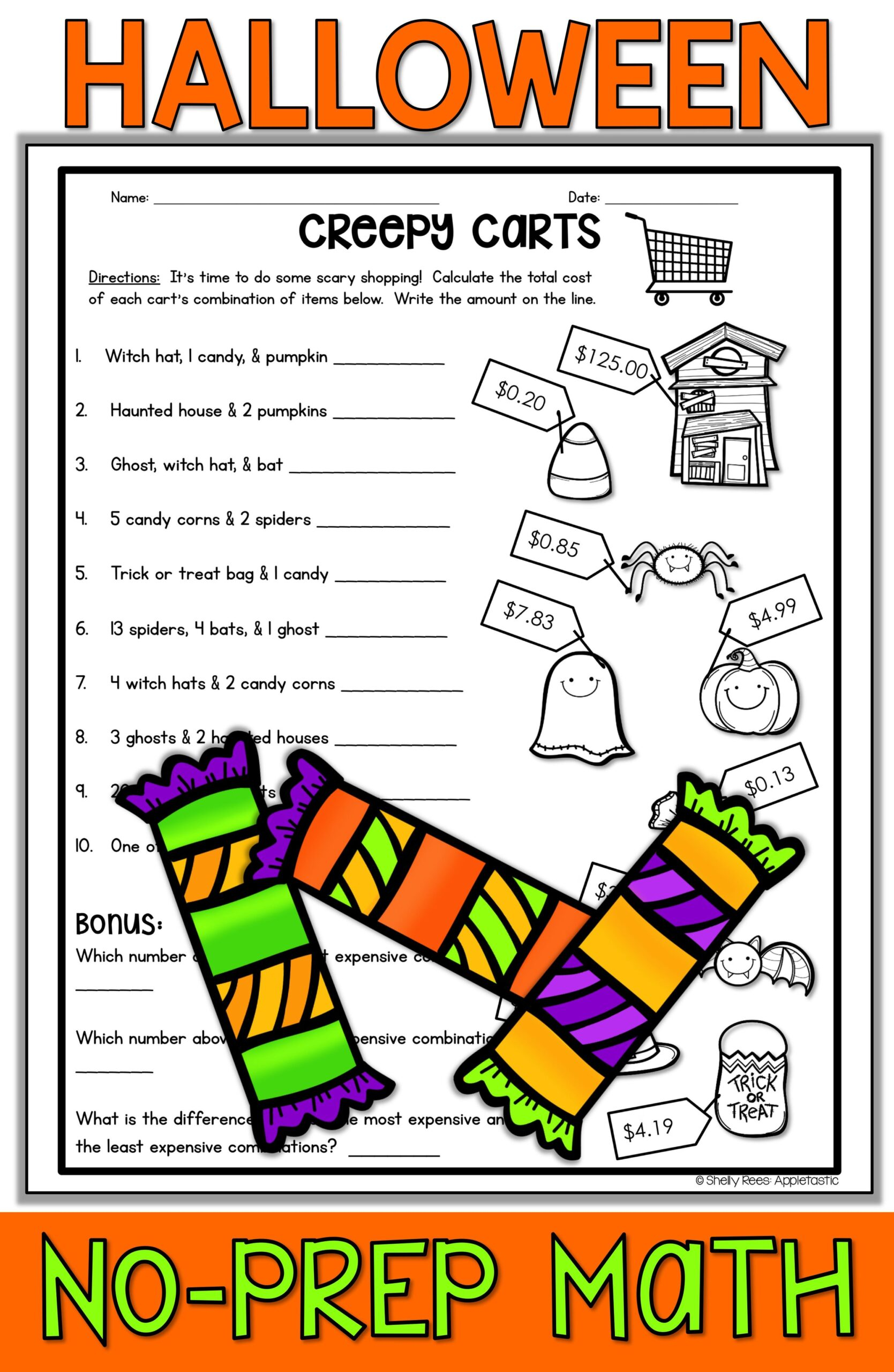
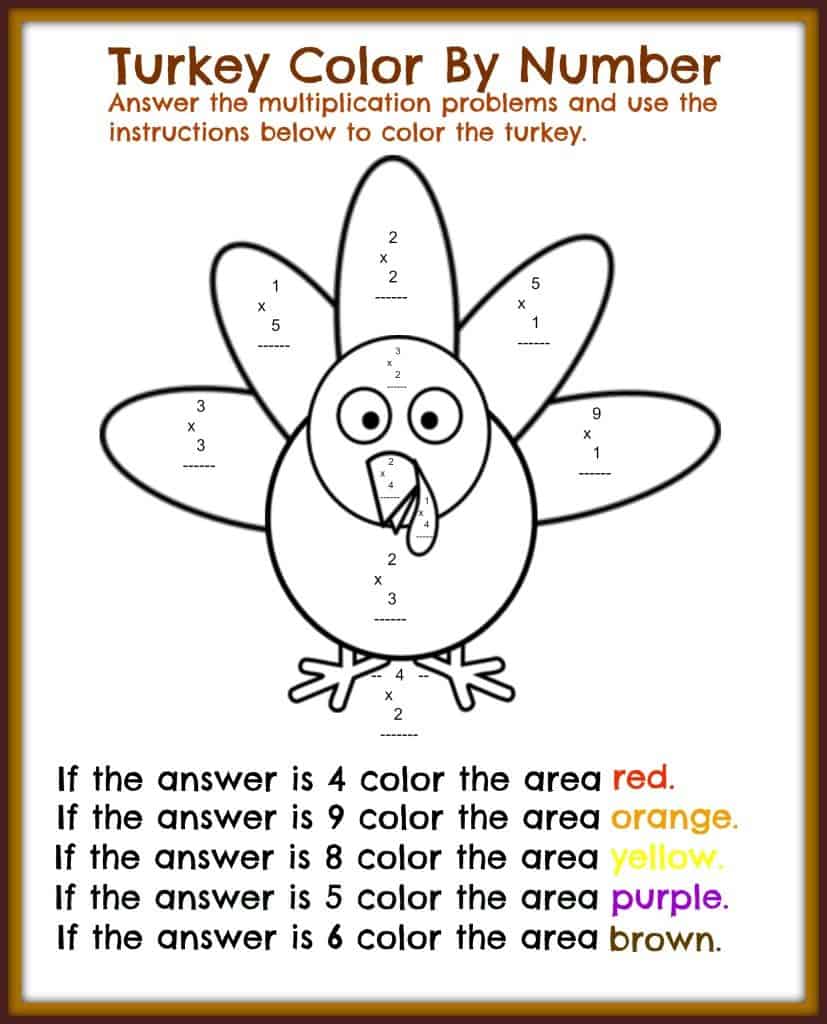
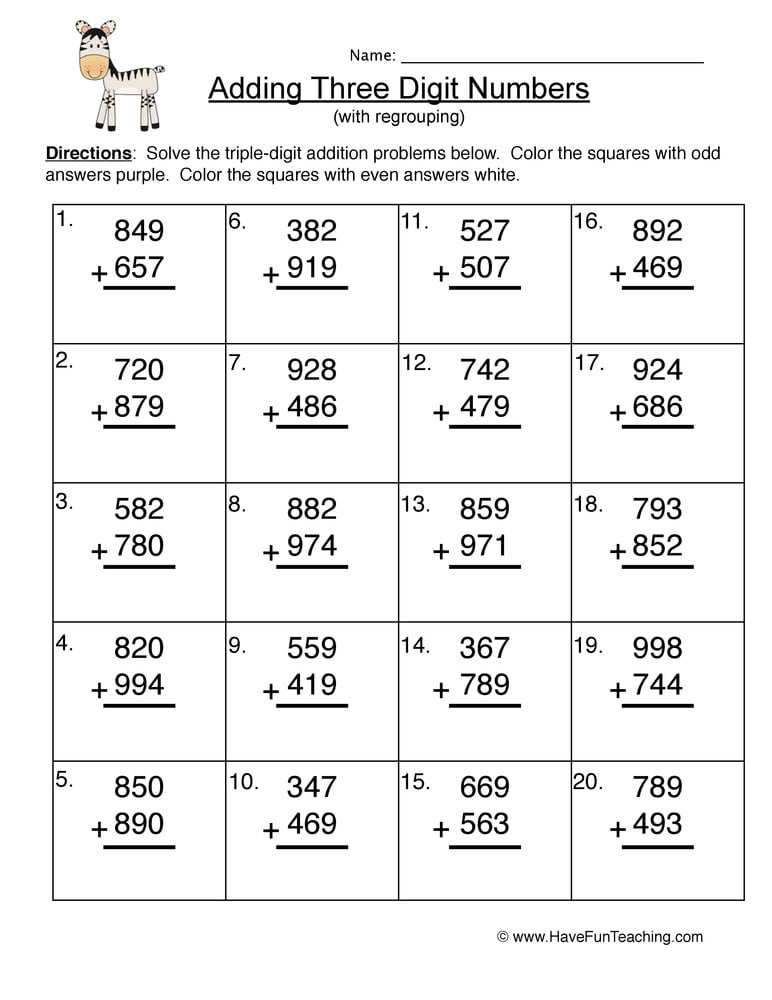
These educational resources are carefully designed to aid in the memorization and understanding of multiplication facts. Core Exercises: Typically, the resource presents multiplication problems in a clear and organized format, often arranged by times table (e.g., 2 times table, 5 times table, etc.). These problems can range from simple recall exercises (e.g., 7 x 8 = ?) to missing number problems (e.g., 6 x ? = 42). Interactive Elements: To engage learners, various interactive elements may be included, such as color-coded tables, visual aids like arrays, and even simple games to make the learning process more enjoyable. Some may incorporate word problems that require applying multiplication skills in practical scenarios. The resources are often structured to allow for progressive learning, starting with simpler tables and gradually increasing in complexity. The layout is designed to be visually appealing and easy to navigate, minimizing distractions and maximizing focus. Regular practice is key to success and the resource can be used daily or several times a week. Related guide: Fraction Activity For Kindergarten.
Tips and Complementary Resources
To maximize the benefit, it is essential to integrate it effectively into a childs learning routine. Daily Practice Tips: Short, regular sessions are more effective than infrequent, lengthy ones. Encourage the learner to verbalize the multiplication facts as they work through the problems. This helps to reinforce auditory memory. Furthermore, focus on one times table at a time until it is mastered before moving on to the next. Positive reinforcement and encouragement are crucial to maintain motivation. Pairing with Other Resources: Supplement the resources with other learning tools, such as online multiplication games, flashcards, or even songs. Real-life examples can also be used to illustrate the application of multiplication skills. Collaboration with parents or tutors can provide additional support and guidance. Consistent effort and a varied approach will greatly enhance the learning experience.
Conclusion
Mastery of multiplication facts is a cornerstone of mathematical proficiency and provides a solid foundation for future learning. This educational resource offers a structured and engaging way to develop and reinforce these essential skills. By using it regularly and incorporating the tips outlined above, learners can improve their recall speed, build confidence, and develop a deeper understanding of multiplication. The benefits extend beyond the classroom, equipping students with practical skills that are applicable in everyday life. Parents and educators are encouraged to implement it to enhance learning in a supportive environment. Consider using supplementary learning aids, such as online games and interactive exercises, to make the learning process even more enjoyable and effective. With consistent effort and a positive attitude, mastering multiplication facts can be an achievable and rewarding experience.
Developmental Milestone & Activity Table
| Development Stage | Recommended Daily Duration | Primary Learning Objective |
|---|---|---|
| Preschool & Pre-K | 10 – 15 Minutes | Pencil grip development & basic pre-stroke lines |
| Kindergarten | 15 – 20 Minutes | Letter/number formation & spatial line awareness |
| Early Elementary (Grade 1–2) | 20 – 30 Minutes | Fluency, sentence construction & neatness |
Images References :
Discover more printable learning activities by visiting our full Fun and Seasonal Math Worksheets archive for teachers, homeschoolers, and parents.