Introduction and Importance of subtraction worksheet for nursery
Introducing foundational mathematical concepts to young children is a critical step in their cognitive development. Worksheets designed to introduce the idea of taking away are pivotal in this process. These educational aids provide a gentle introduction to the principles of subtraction, setting the stage for more complex mathematical understanding in the future. Early exposure to these concepts builds a child’s confidence and comfort level with numbers. This familiarity diminishes math anxiety and promotes a lifelong appreciation for mathematical thinking. The use of visually appealing designs and relatable scenarios assists in holding children’s attention. Furthermore, these activities foster essential skills, including problem-solving, logical reasoning, and critical thinking. Utilizing these resources at home provides an excellent opportunity for parents to participate actively in their child’s learning journey. In classroom settings, educators can use these tools to reinforce lessons and evaluate comprehension in an engaging manner. The ability to grasp early mathematical concepts provides a strong academic foundation, enabling success across multiple subject areas.
💡 Educational Key Takeaways:
- Core Skill: Structured Subtraction Worksheet For Nursery focused on developing pencil grip, stroke control, and early literacy/math confidence.
- Target Scope: Suited for homeschoolers, preschool, kindergarten, and elementary learners.
- Best Recommendation: Practice 10–15 minutes daily with ergonomic writing tools to reinforce muscle memory without hand fatigue.
Structure and How It Works
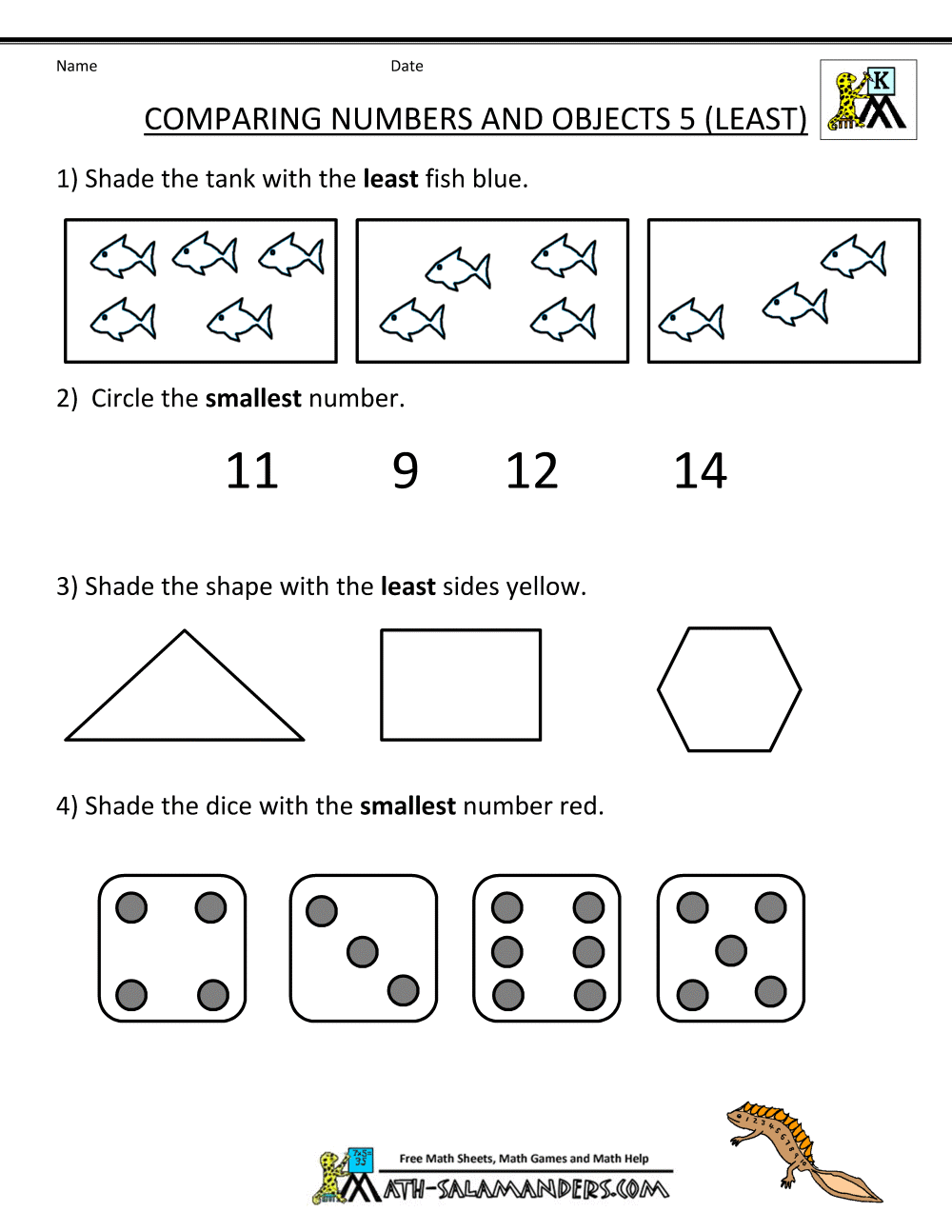
These learning materials typically feature a straightforward and user-friendly layout tailored for young children. A clear and uncluttered design avoids overwhelming young learners. Core Exercises: These frequently include simple subtraction problems presented with pictures or objects to visually represent the act of taking away. For instance, an image of five apples with two crossed out illustrates the problem 5 – 2. The problems are arranged in order of increasing difficulty, beginning with subtracting from smaller numbers and gradually progressing to larger numbers. Interactive Elements: Worksheets often integrate interactive elements such as coloring, drawing, or matching. Children may be asked to color a certain number of objects, circle the correct answer from multiple choices, or draw lines to match problems with their solutions. The use of bold fonts and ample spacing is vital for readability. Accompanying instructions are written in a simple and easy-to-understand language, and these instructions provide children with clear guidance on how to complete each exercise. Many worksheets include a section for children to write their names and the date. This fosters a sense of ownership and responsibility. These activities can serve as a valuable tool for educators and parents seeking to reinforce mathematical concepts in an accessible and engaging way.
Tips and Complementary Resources
To maximize the benefits of these exercises, several practical strategies can be implemented. Daily Practice Tips: Consistent, short sessions are more effective than infrequent, longer sessions. Encourage a child to complete just a few problems each day to avoid frustration and maintain interest. Positive reinforcement and encouragement are essential. Praise effort and progress rather than focusing solely on correct answers. Make learning enjoyable by turning it into a game or incorporating it into everyday activities. Use real-world objects, such as toys or snacks, to illustrate subtraction concepts. Pairing with Other Resources: Supplement the experience with other educational materials, such as counting blocks, number lines, or online resources. Storybooks that feature mathematical concepts can also be a valuable addition. Adapt the exercises to suit the individual learning style and pace of each child. If a child is struggling with a particular concept, review the basics and provide additional support. Consider using different types of subtraction problems, such as those involving missing numbers or word problems, to challenge and engage learners. Remember that the goal is to foster a positive attitude toward learning and building confidence in mathematical abilities.
Conclusion
The use of engaging printed pages focusing on the concept of taking away provides a valuable avenue for introducing young children to fundamental mathematical principles. Through visual aids, simple problem structures, and interactive elements, these resources promote a comfortable and confident approach to early math education. By integrating regular, short practice sessions, and offering consistent encouragement, these exercises can effectively build essential problem-solving and critical-thinking skills. These early mathematical skills lay a robust foundation for future academic success. Furthermore, the active involvement of parents and educators in this learning process fosters a supportive environment where children feel encouraged to explore and embrace mathematical concepts. Consider exploring other supplemental materials, such as counting games or interactive apps, to further enrich the learning experience. By incorporating these tools and techniques, children can develop a lifelong appreciation for the world of mathematics and its endless possibilities. The cultivation of early mathematical skills can greatly impact a childs educational journey, paving the way for advanced learning and future achievement.
Developmental Milestone & Activity Table
| Development Stage | Recommended Daily Duration | Primary Learning Objective |
|---|---|---|
| Preschool & Pre-K | 10 – 15 Minutes | Pencil grip development & basic pre-stroke lines |
| Kindergarten | 15 – 20 Minutes | Letter/number formation & spatial line awareness |
| Early Elementary (Grade 1–2) | 20 – 30 Minutes | Fluency, sentence construction & neatness |
Images References :
Discover more printable learning activities by visiting our full Number Worksheets archive for teachers, homeschoolers, and parents.