Introduction and Importance of pre k math exercises
Early exposure to mathematical concepts lays a foundational groundwork for future academic success. Activities designed for this developmental stage are crucial in fostering a positive attitude toward mathematics. These activities serve as an introduction to essential skills, including number recognition, counting, and basic shape identification. When young children engage in these exercises, they develop critical thinking and problem-solving abilities from a young age. The carefully structured activities help children grasp fundamental concepts in an engaging way. It’s not about rote memorization, but about developing an intuitive understanding. This early interaction with mathematical ideas allows them to approach more complex problems with confidence later on. Furthermore, success in mastering these basics boosts a child’s self-esteem and reduces anxiety toward future mathematical challenges. This early intervention helps bridge potential learning gaps before they even begin.
💡 Educational Key Takeaways:
- Core Skill: Structured Pre K Math Exercises focused on developing pencil grip, stroke control, and early literacy/math confidence.
- Target Scope: Suited for homeschoolers, preschool, kindergarten, and elementary learners.
- Best Recommendation: Practice 10–15 minutes daily with ergonomic writing tools to reinforce muscle memory without hand fatigue.
Structure and How It Works
A typical structure often involves a series of visual and hands-on activities carefully designed to appeal to young learners. The arrangement and type of these exercises are designed to build skills in a progressive manner.
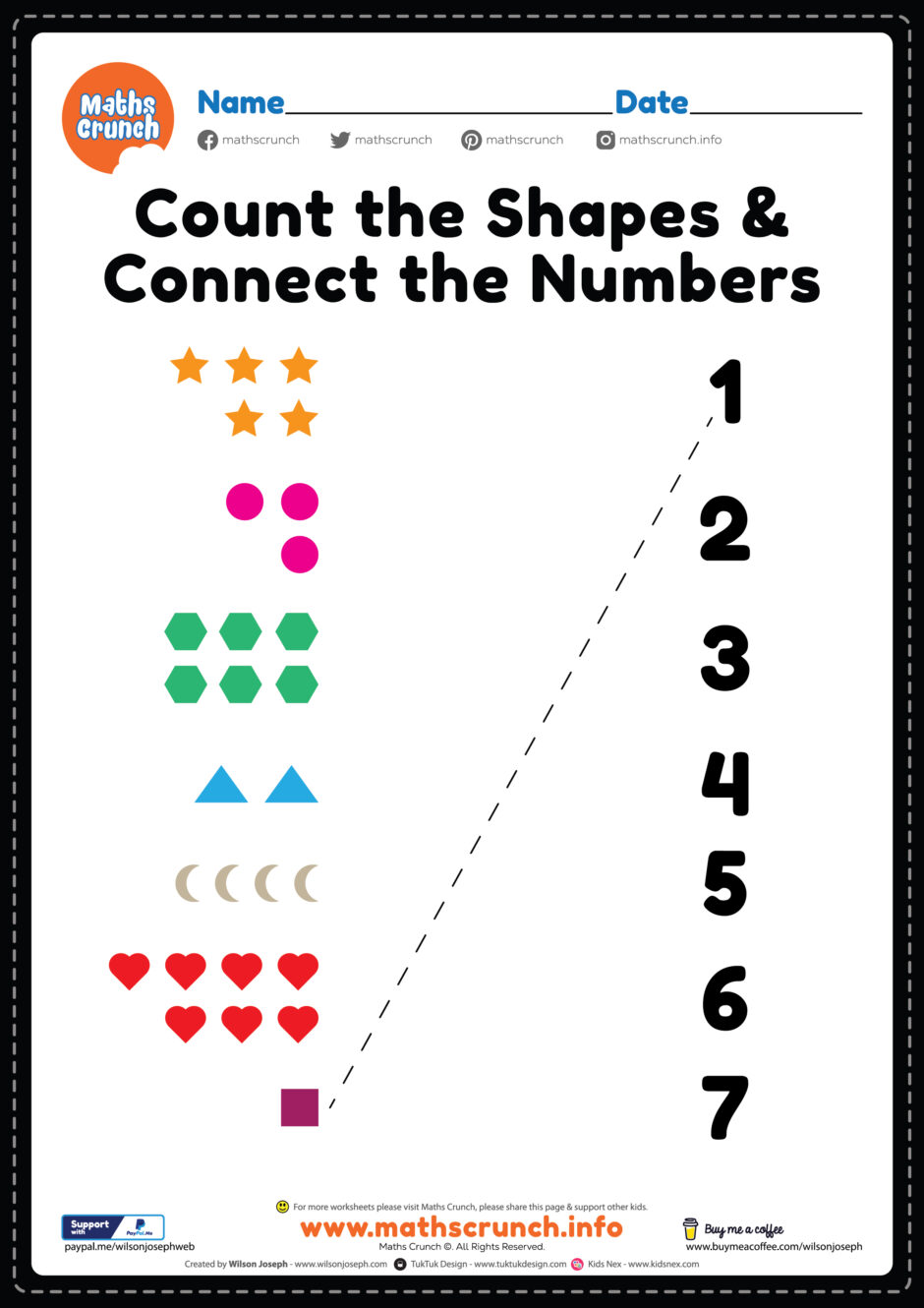
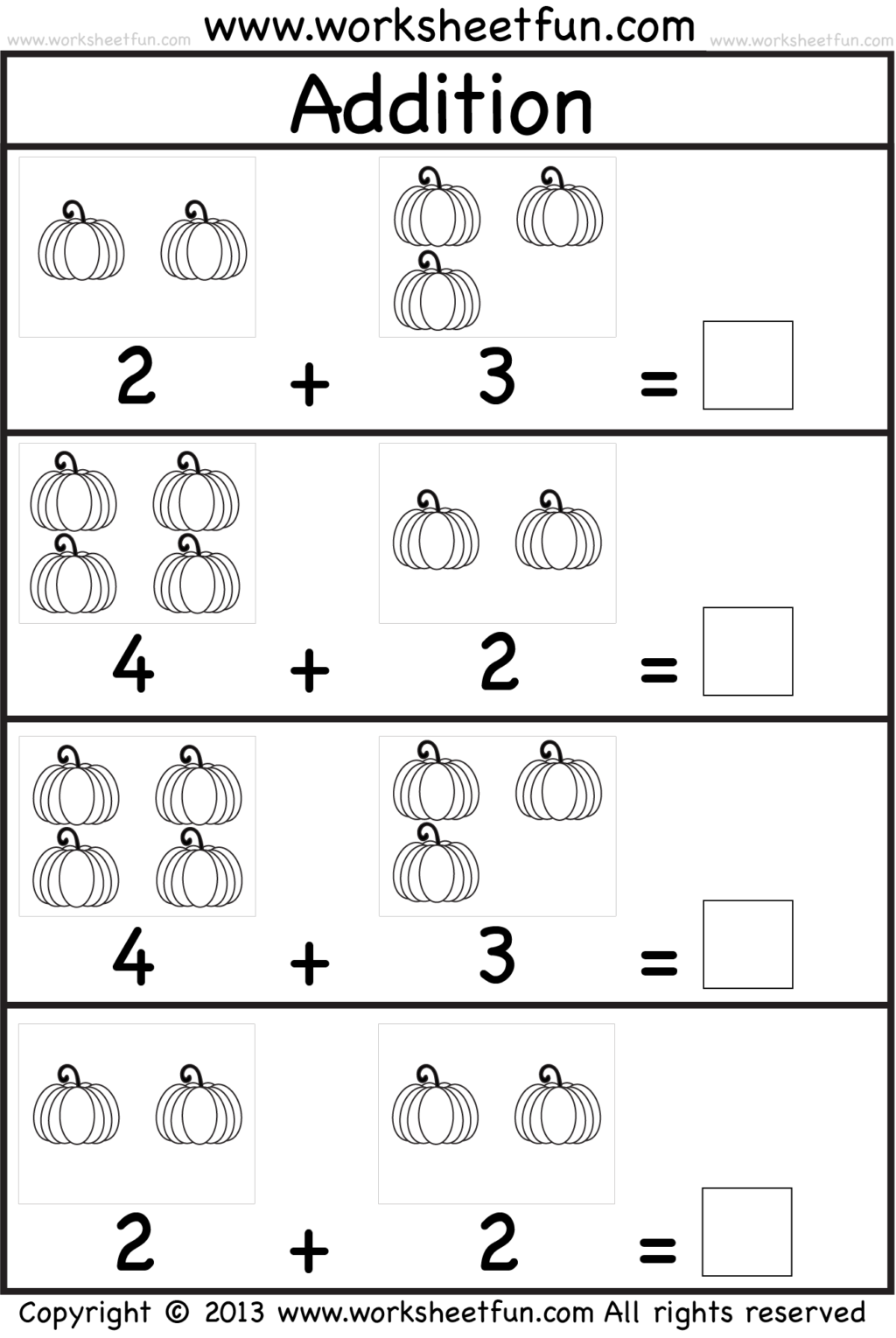
Core Exercises: Focus is typically directed to fundamental concepts. Counting exercises might involve simple object counting with corresponding number matching. Activities involving shape recognition often use vibrant colors and relatable objects to identify circles, squares, triangles, and rectangles. Simple addition and subtraction is also introduced, using visual aids.
Interactive Elements: Worksheets may incorporate interactive components to keep young minds engaged. This can include coloring sections to reinforce number association, cut-and-paste activities to categorize shapes, or even simple matching games. These elements are crucial in maintaining interest and reinforcing learning. Many also include a section to work on number writing skills by tracing or practicing to write certain numbers to enforce number sense. Each component is meticulously crafted to ensure it enhances the overall educational experience.
Tips and Complementary Resources
To maximize the impact of these activities, several strategies can be incorporated. Consistency is key in solidifying the concepts introduced.
Daily Practice Tips: Establish a routine where a short session can occur daily. This can be integrated with breakfast, or before starting playtime. Positive reinforcement, such as praise or small rewards, can encourage continued engagement. The sessions need to be kept short and fun, focusing on understanding, not speed.
Pairing with Other Resources: Enhance learning by combining worksheets with other resources. Manipulatives like counters, blocks, or even everyday household items like buttons can bring numbers to life. Educational videos and online games also provide interactive learning experiences. Books about counting and shapes can further strengthen the knowledge.
Conclusion
Consistent engagement with age-appropriate activities nurtures a child’s cognitive development and prepares them for more advanced mathematical concepts. These educational tools are vital in shaping a young child’s understanding of the world around them, promoting critical thinking and problem-solving abilities from a tender age. Integrating these exercises into a child’s daily routine can have profound long-term benefits, fostering a lifelong love for learning and problem-solving. By embracing these early learning tools, parents and educators lay a strong foundation for future academic success and general confidence. This sets children up to approach mathematical problems as enjoyable challenges rather than daunting obstacles. Explore available supplementary materials that complement these exercises, such as online resources or other learning aids, to create a holistic educational environment for the child.
Developmental Milestone & Activity Table
| Development Stage | Recommended Daily Duration | Primary Learning Objective |
|---|---|---|
| Preschool & Pre-K | 10 – 15 Minutes | Pencil grip development & basic pre-stroke lines |
| Kindergarten | 15 – 20 Minutes | Letter/number formation & spatial line awareness |
| Early Elementary (Grade 1–2) | 20 – 30 Minutes | Fluency, sentence construction & neatness |
Images References :
Discover more printable learning activities by visiting our full Pre K Activity Worksheets archive for teachers, homeschoolers, and parents.