Introduction and Importance of Free Printable Pre-K Math Sheets
Introducing fundamental mathematical concepts to preschoolers sets a crucial foundation for future academic success. Early exposure to numbers, shapes, and basic problem-solving significantly enhances cognitive development and prepares children for the more structured math curriculum they will encounter in kindergarten and beyond. Utilizing readily available resources enables parents and educators to reinforce learning in an engaging and accessible way. These materials offer a flexible approach to education, allowing for tailored lessons that cater to individual learning styles and paces. By integrating these resources into daily routines, children can develop a positive attitude towards mathematics and build confidence in their abilities. This early intervention can mitigate math anxiety and foster a lifelong appreciation for the subject, ultimately leading to greater academic achievement and improved problem-solving skills in various aspects of life. The accessible nature of these tools promotes inclusive learning environments, where children can explore mathematical concepts at their own speed, building a strong foundation for future learning endeavors.
💡 Educational Key Takeaways:
- Core Skill: Structured Free Printable Pre K Math Sheets focused on developing pencil grip, stroke control, and early literacy/math confidence.
- Target Scope: Suited for homeschoolers, preschool, kindergarten, and elementary learners.
- Best Recommendation: Practice 10–15 minutes daily with ergonomic writing tools to reinforce muscle memory without hand fatigue.
Structure and How It Works
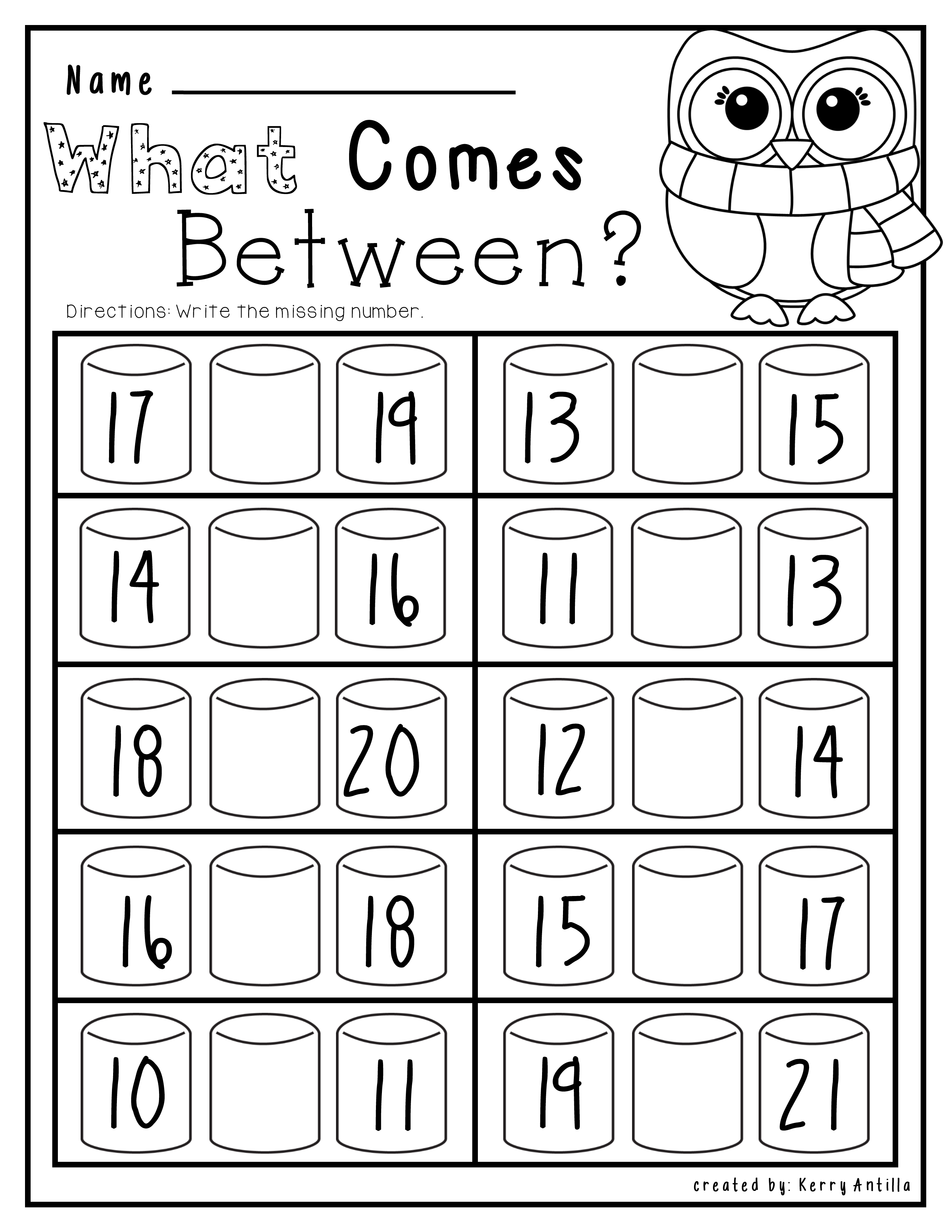
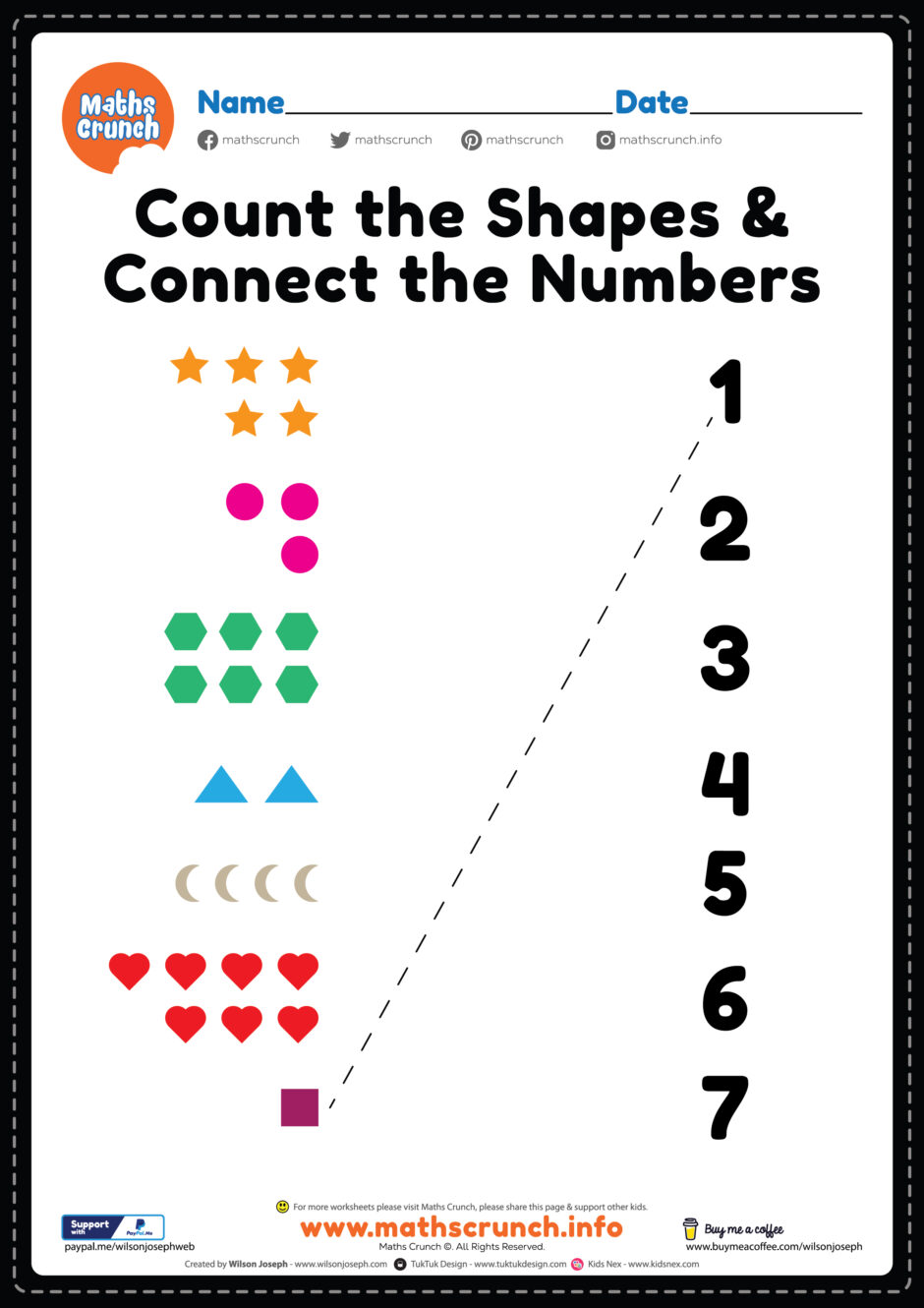
The design of effective materials typically encompasses a variety of activities that address different mathematical concepts. Core Exercises: These often include counting exercises featuring visually appealing objects, shape recognition activities, and simple addition and subtraction problems using pictures or manipulatives. Worksheets may also incorporate number tracing exercises to help children develop fine motor skills and reinforce number recognition. Interactive Elements: Many resources integrate colors and illustrations to capture children’s attention and make learning fun. Some materials feature matching games, where children pair numbers with corresponding sets of objects. Others include simple puzzles that require children to apply their understanding of shapes or patterns. The layout is typically uncluttered and visually appealing, avoiding overwhelming young learners. Clear instructions and ample space for writing or drawing are essential for promoting independent work. These resources may also include assessments to track progress and identify areas where further reinforcement is needed. This structured approach enables educators and parents to effectively monitor learning and adjust teaching strategies accordingly.
Tips and Complementary Resources
To maximize the benefits of these educational materials, implement several key strategies. Daily Practice Tips: Short, regular sessions are more effective than infrequent, lengthy ones. Incorporate these activities into daily routines, such as during breakfast or after playtime. Make learning fun by using games and incorporating real-world examples. For example, count toys during cleanup or identify shapes in the environment. Pairing with Other Resources: Supplement worksheets with hands-on activities, such as using building blocks to teach counting and simple addition. Utilize online educational games and videos to provide visual and auditory learning experiences. Library resources, including picture books focused on math concepts, can also enhance learning. Encourage children to verbalize their thought processes while working on the activities, fostering a deeper understanding of the underlying concepts. By combining various resources and engaging children in active learning, parents and educators can create a stimulating and effective learning environment.
Conclusion
In summary, the accessible resources offer a valuable tool for nurturing early mathematical skills. Their structured format, engaging activities, and flexibility make them suitable for diverse learning environments. By integrating these materials into daily routines and supplementing them with other resources, parents and educators can effectively foster a love of learning and prepare children for future academic success. The early introduction of these concepts builds a solid foundation for more advanced mathematical thinking, ultimately contributing to improved problem-solving skills and cognitive development. Embracing these opportunities can empower young learners and pave the way for a successful and fulfilling educational journey. Consider exploring related materials focusing on literacy or fine motor skills to provide a well-rounded early learning experience. Take advantage of these resources to actively participate in your child’s educational development.
Developmental Milestone & Activity Table
| Development Stage | Recommended Daily Duration | Primary Learning Objective |
|---|---|---|
| Preschool & Pre-K | 10 – 15 Minutes | Pencil grip development & basic pre-stroke lines |
| Kindergarten | 15 – 20 Minutes | Letter/number formation & spatial line awareness |
| Early Elementary (Grade 1–2) | 20 – 30 Minutes | Fluency, sentence construction & neatness |
Images References :
Discover more printable learning activities by visiting our full Pre K Activity Worksheets archive for teachers, homeschoolers, and parents.