Introduction and Importance of Counting Practice Materials
Introducing fundamental mathematical concepts to young children is crucial for building a strong educational foundation. Counting skills, in particular, are the bedrock upon which more complex math knowledge is built. Resources designed for kindergarten-aged children play a vital role in making this initial learning experience engaging and effective. Utilizing easily accessible, no-cost resources allows both educators and parents to supplement classroom learning or facilitate at-home educational activities. These resources help children develop number sense, understand quantity, and learn to associate numerals with corresponding amounts. Consistent engagement with such resources can improve a child’s confidence and enthusiasm for math, setting them up for future academic success. Moreover, these can adapt to various learning styles, offering visual, auditory, and kinesthetic learners different avenues for mastering counting. The adaptability makes them a valuable tool for diverse learning environments.
💡 Educational Key Takeaways:
- Core Skill: Structured Free Printable Counting Worksheets For Kindergarten focused on developing pencil grip, stroke control, and early literacy/math confidence.
- Target Scope: Suited for homeschoolers, preschool, kindergarten, and elementary learners.
- Best Recommendation: Practice 10–15 minutes daily with ergonomic writing tools to reinforce muscle memory without hand fatigue.
Structure and How It Works
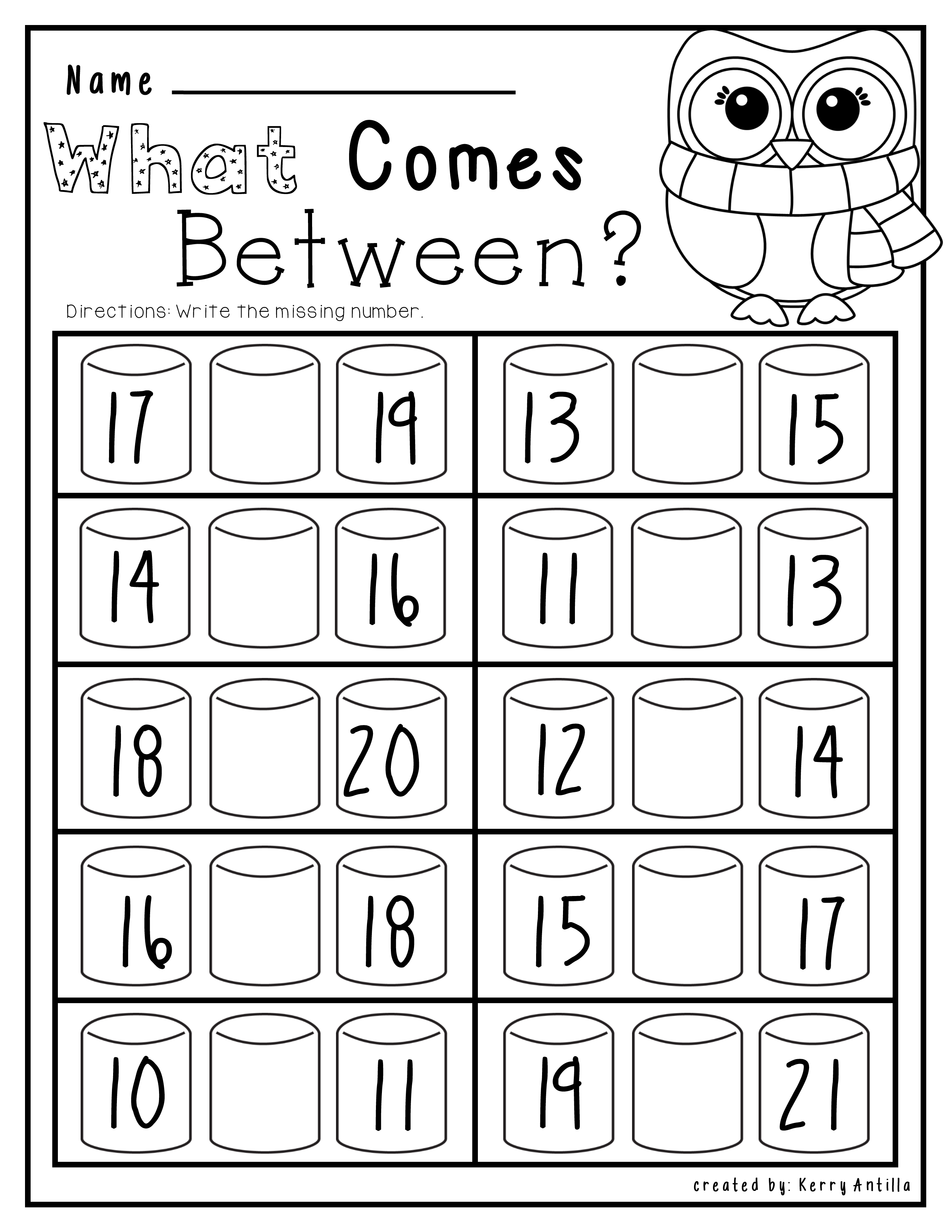
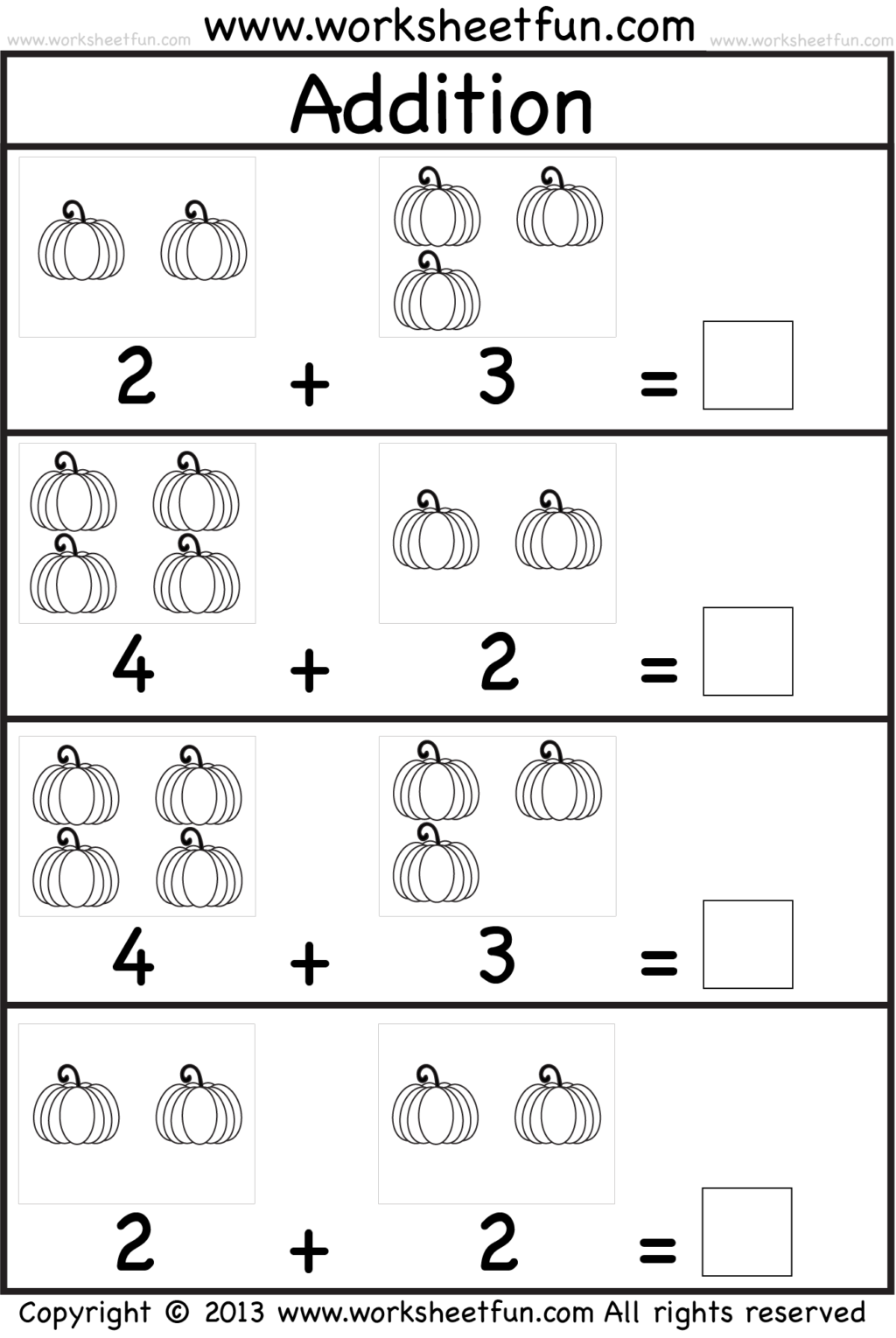
These educational materials typically feature a straightforward layout designed for easy comprehension. Core Exercises: The content usually incorporates a variety of activities such as counting objects in a picture, matching numbers to corresponding groups, and filling in missing numbers in a sequence. Each exercise is often presented with colorful illustrations to capture children’s attention and maintain their interest. Worksheets may include simple addition and subtraction problems illustrated with pictures to provide an early introduction to arithmetic operations. Interactive Elements: Some layouts integrate tracing exercises to help children learn to write numerals correctly. Activities like dot-to-dot puzzles are also used to reinforce number recognition in an enjoyable manner. The designs often use clear, bold fonts and large, uncluttered spaces to prevent visual overload. Furthermore, some resources incorporate themes like animals, nature, or everyday objects to make the learning experience more relatable and fun. The arrangement of exercises typically progresses from simpler tasks to slightly more challenging ones, ensuring children can build confidence as they advance.
Tips and Complementary Resources
Effectively using counting practice sheets involves integrating them strategically into a child’s learning routine. Daily Practice Tips: Short, focused sessions are more effective than long, infrequent ones. Aim for 15-20 minutes of dedicated practice each day. Praise and encouragement are vital for boosting a child’s confidence and motivation. Celebrate successes, no matter how small, to reinforce positive associations with math. Pairing with Other Resources: Supplement the worksheets with hands-on activities like counting toys, blocks, or even snacks. Utilize online counting games and videos to add variety and cater to different learning styles. Reading aloud counting books can reinforce number concepts in a narrative format. Creating a supportive and playful learning environment is crucial for making math enjoyable. Encourage exploration and curiosity, allowing the child to learn at their own pace. Regularly review previously covered material to reinforce learning and ensure retention.
Conclusion
Engaging with accessible practice resources provides a fun and effective method for young learners to develop crucial early math abilities. These resources offer a structured yet flexible approach to mastering counting and number recognition, setting the stage for more advanced mathematical concepts. Their no-cost accessibility makes them a valuable tool for parents and educators alike. The blend of visual appeal, interactive exercises, and themed content ensures children remain engaged and motivated throughout their learning journey. Integrating these resources into a daily routine, supplemented with hands-on activities and positive reinforcement, can significantly enhance a child’s understanding and appreciation of mathematics. Explore readily available options today and begin fostering a love for numbers in young minds. Consider complementing these sheets with number flashcards or simple board games centered around counting for an even more comprehensive approach.
Developmental Milestone & Activity Table
| Development Stage | Recommended Daily Duration | Primary Learning Objective |
|---|---|---|
| Preschool & Pre-K | 10 – 15 Minutes | Pencil grip development & basic pre-stroke lines |
| Kindergarten | 15 – 20 Minutes | Letter/number formation & spatial line awareness |
| Early Elementary (Grade 1–2) | 20 – 30 Minutes | Fluency, sentence construction & neatness |
Images References :
Discover more printable learning activities by visiting our full Pre K Activity Worksheets archive for teachers, homeschoolers, and parents.