Introduction and Importance of pre k math work sheet
Early exposure to mathematical concepts is foundational for future academic success. A thoughtfully designed learning aid introduces young children to numbers, shapes, patterns, and basic problem-solving skills in a playful and accessible manner. These resources serve as a bridge, connecting abstract mathematical ideas with tangible, relatable experiences. At home, they provide parents with structured activities to support their child’s cognitive development. In a classroom setting, they allow educators to reinforce lessons and cater to diverse learning styles. Regular engagement with these materials fosters numerical literacy and builds confidence, equipping young learners with the tools needed to navigate more complex mathematical challenges later in their education. Furthermore, early exposure to these concepts can spark an interest in mathematics, turning what might seem daunting into an engaging and enjoyable pursuit. This type of activity is beneficial whether working in a structured educational program, at home, or self-study.
💡 Educational Key Takeaways:
- Core Skill: Structured Pre K Math Work Sheet focused on developing pencil grip, stroke control, and early literacy/math confidence.
- Target Scope: Suited for homeschoolers, preschool, kindergarten, and elementary learners.
- Best Recommendation: Practice 10–15 minutes daily with ergonomic writing tools to reinforce muscle memory without hand fatigue.
Structure and How It Works
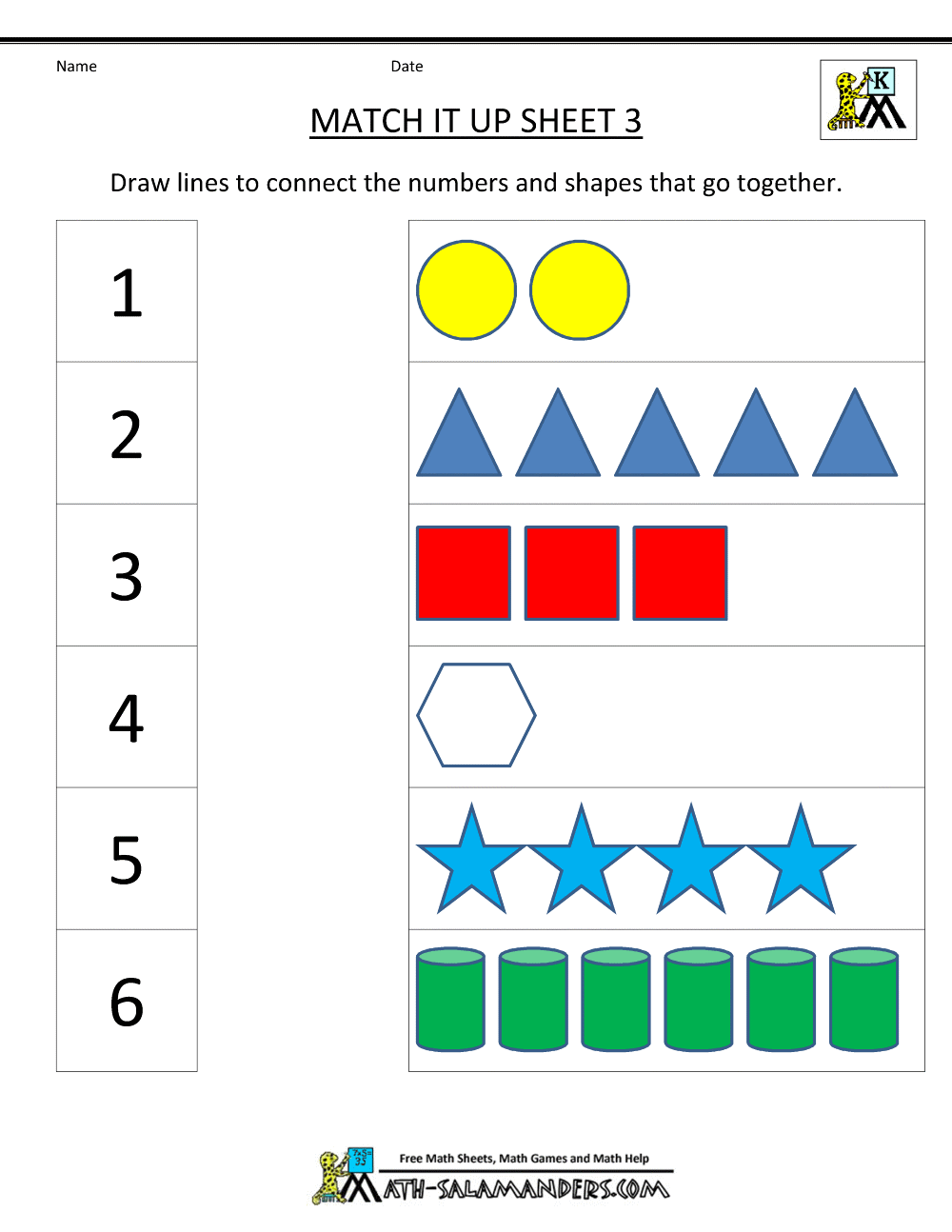
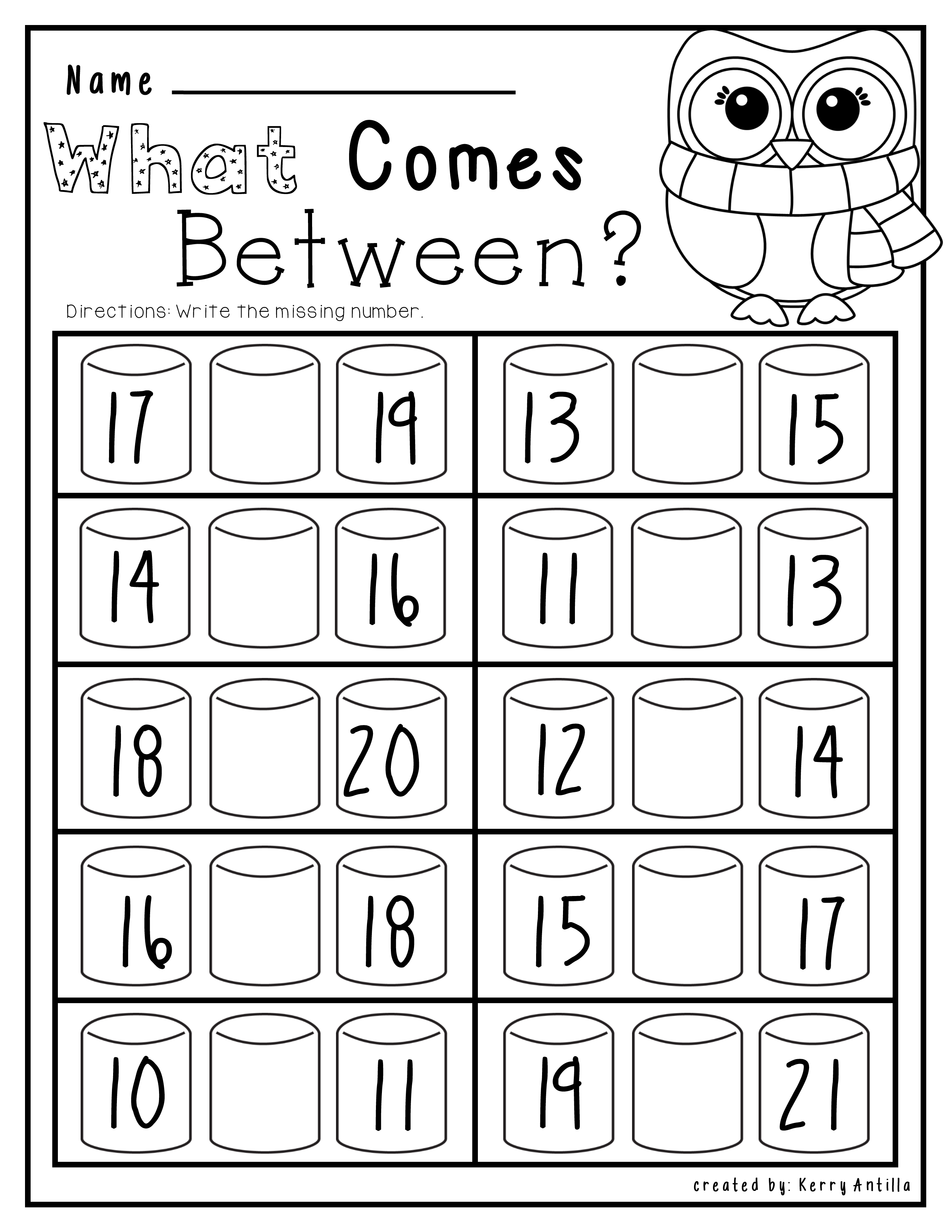
These activity resources generally include a variety of sections designed to cater to different aspects of early mathematical development. Core Exercises: These often focus on number recognition, counting objects, and simple addition or subtraction problems presented with colorful visuals. Shape Identification: Activities might involve matching shapes, coloring specific shapes, or identifying shapes in everyday objects. Pattern Recognition: These exercises challenge children to identify and continue simple patterns using shapes, colors, or numbers. Interactive Elements: Many incorporate interactive components like mazes, dot-to-dot activities using numbers, or simple board games that reinforce mathematical concepts. The layout typically utilizes large, clear fonts and plenty of visual aids to maintain engagement. Instructions are usually straightforward and concise, allowing children to complete activities independently or with minimal adult guidance. These tools can be adapted for individual or group work, making them versatile for diverse learning environments. Workbooks of this kind often feature a progress tracking tool for instructors or parents. Related guide: Free Math Printables For Kindergarten.
Tips and Complementary Resources
To maximize the impact of these learning tools, consistent and engaging implementation is crucial. Daily Practice Tips: Short, regular sessions are more effective than infrequent, lengthy ones. Integrate them into daily routines by incorporating math activities during playtime or meal preparation. Positive Reinforcement: Offer praise and encouragement for effort, not just correct answers, to foster a growth mindset. Pairing with Other Resources: Supplement worksheet activities with real-world examples. Use building blocks to demonstrate addition, or sort toys by color to reinforce pattern recognition. Consider integrating related storybooks, online games, or educational apps that align with the concepts being taught. Differentiation: Adapt the materials to suit individual needs. Offer simpler exercises for children who are struggling, and provide more challenging activities for those who are excelling. By combining structured activities with real-world experiences and diverse learning resources, the child’s learning will be maximized.
Conclusion
This type of learning activity offers a valuable resource for fostering early mathematical skills. By providing engaging activities focused on fundamental concepts, these resources lay a solid foundation for future success in mathematics. The versatility and adaptability of these materials make them suitable for a variety of learning environments, whether at home, in a classroom, or in a hybrid setting. Immediate engagement with these types of tools can empower parents and educators to actively participate in a child’s mathematical journey. Encouraging regular practice and supplementing these materials with real-world experiences will significantly enhance learning outcomes. Consider exploring related resources such as number flashcards, shape sorters, and interactive math games to further enrich the learning experience and cultivate a lifelong love of mathematics. Consistent positive support and consistent usage will help the student succeed.
Developmental Milestone & Activity Table
| Development Stage | Recommended Daily Duration | Primary Learning Objective |
|---|---|---|
| Preschool & Pre-K | 10 – 15 Minutes | Pencil grip development & basic pre-stroke lines |
| Kindergarten | 15 – 20 Minutes | Letter/number formation & spatial line awareness |
| Early Elementary (Grade 1–2) | 20 – 30 Minutes | Fluency, sentence construction & neatness |
Images References :
Discover more printable learning activities by visiting our full Pre K Activity Worksheets archive for teachers, homeschoolers, and parents.