Introduction and Importance of kindergarten math printables
Early exposure to mathematical concepts lays a crucial foundation for future academic success. Resources designed for kindergarteners provide an engaging and accessible entry point into the world of numbers. These tools facilitate learning both at home and in the classroom, enabling children to develop essential skills in a fun and interactive way. A strong grasp of foundational math concepts, such as counting, number recognition, and basic shapes, empowers young learners to confidently tackle more complex mathematical problems later in their academic journey. These resources offer parents and educators a structured means of reinforcing mathematical concepts and identifying areas where children may require additional support. They offer a flexible and adaptable learning experience, tailored to suit diverse learning styles and paces. Furthermore, consistent engagement with these materials fosters a positive attitude towards mathematics, mitigating potential anxiety or aversion towards the subject in later years. Effective tools can bridge the gap between abstract concepts and concrete understanding, transforming mathematics from a daunting subject into an exciting exploration.
💡 Educational Key Takeaways:
- Core Skill: Structured Kindergarten Math Printables focused on developing pencil grip, stroke control, and early literacy/math confidence.
- Target Scope: Suited for homeschoolers, preschool, kindergarten, and elementary learners.
- Best Recommendation: Practice 10–15 minutes daily with ergonomic writing tools to reinforce muscle memory without hand fatigue.
Structure and How It Works
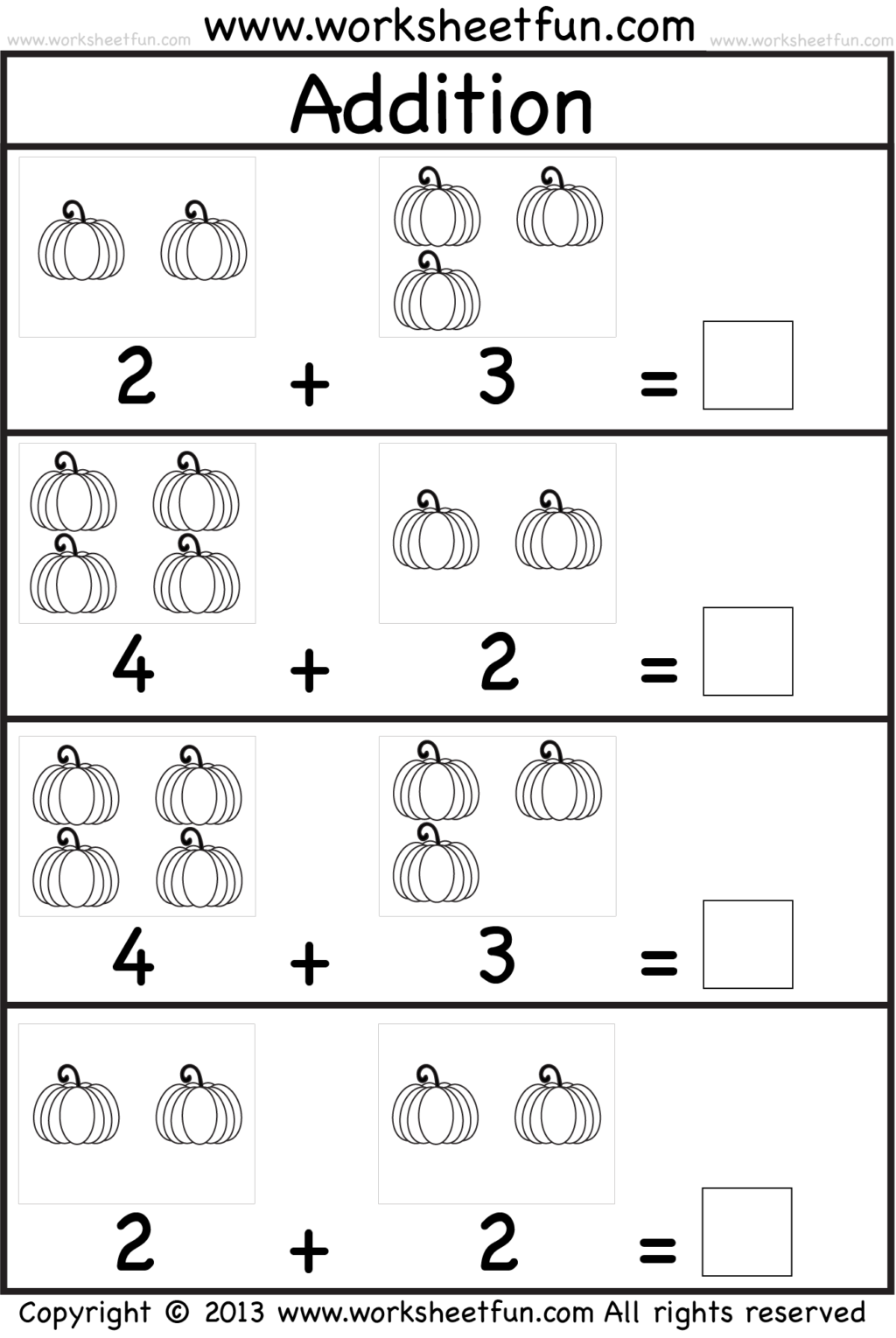
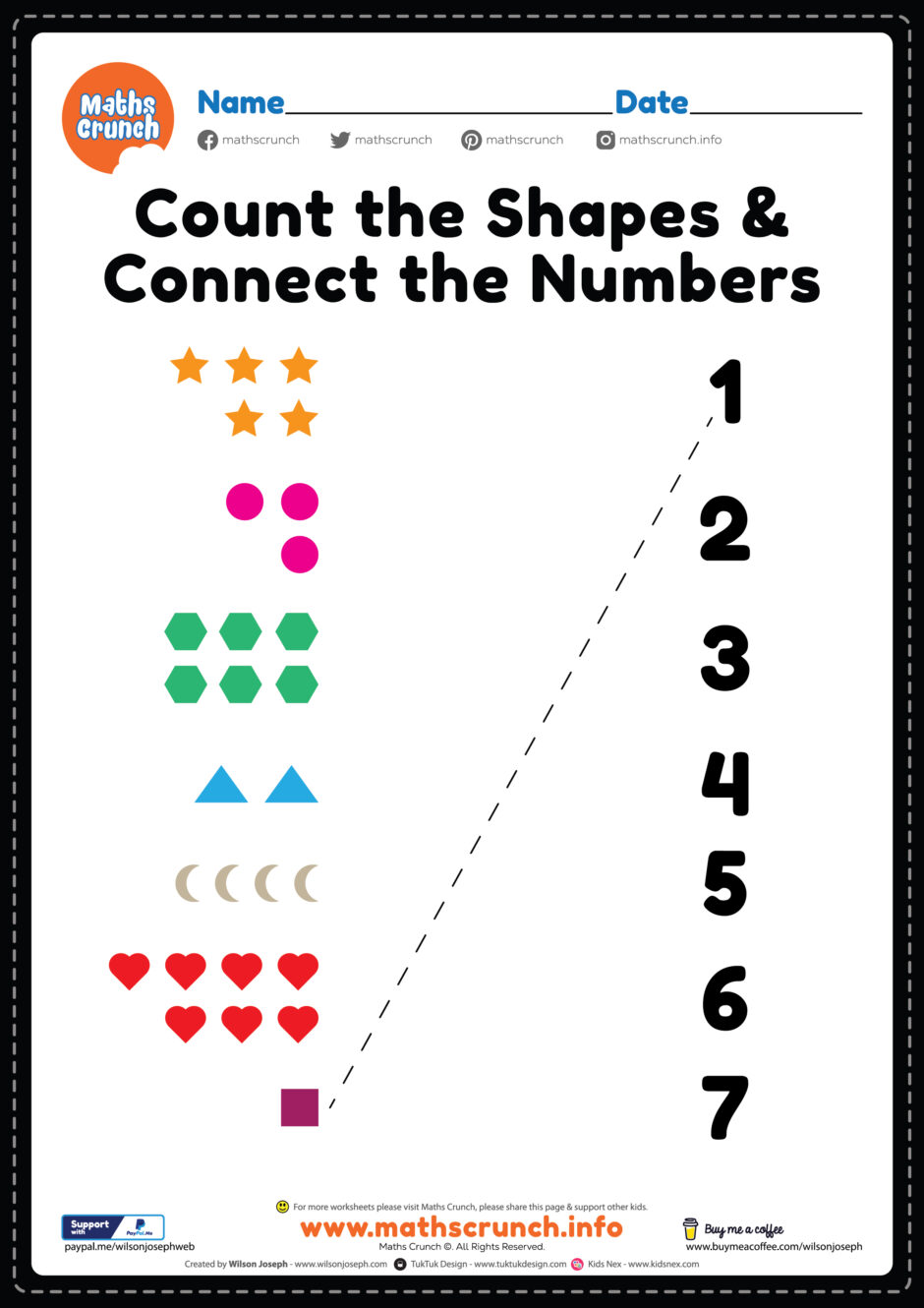
These educational materials typically feature a variety of activities designed to cater to different learning styles. The layout is generally visually appealing, incorporating bright colors and engaging illustrations to capture the attention of young learners. Core Exercises: Common exercises include counting objects, matching numbers to quantities, and identifying basic geometric shapes. Number recognition exercises often involve tracing numerals and associating them with corresponding images. Interactive Elements: Many activities incorporate games and puzzles to make learning more enjoyable. Worksheets may include simple addition and subtraction problems presented in a relatable context, such as counting fruits or toys. Shape recognition activities frequently involve sorting shapes or completing patterns. Activities are structured to progressively increase in difficulty, allowing children to build upon their knowledge and skills gradually. The inclusion of visual aids and clear instructions helps to ensure that children can complete the activities independently, fostering a sense of accomplishment and self-confidence. These educational tools are designed to be both educational and entertaining, making learning a positive and rewarding experience.
Tips and Complementary Resources
To maximize the effectiveness of these learning tools, it is important to incorporate them into a consistent routine. Daily Practice Tips: Short, focused sessions are generally more beneficial than long, infrequent ones. Engage in the activities alongside the child, providing encouragement and guidance as needed. Celebrate their successes and offer support when they encounter challenges. Pairing with Other Resources: Supplement these materials with hands-on activities, such as using manipulatives like blocks or counters to illustrate mathematical concepts. Integrate math into everyday situations, such as counting the number of stairs or measuring ingredients while baking. Utilize online resources, such as educational videos and interactive games, to further enhance learning. Consider incorporating storybooks that feature mathematical themes to introduce concepts in an engaging and accessible way. By combining different learning methods and resources, a comprehensive and enriching educational experience can be created for young learners.
Conclusion
Educational worksheets designed for kindergarten offer a valuable resource for fostering early mathematical skills. They provide a structured and engaging means of introducing fundamental concepts, building confidence, and cultivating a positive attitude towards learning. The benefits of consistent engagement extend beyond the classroom, preparing children for future academic success and empowering them to approach mathematical challenges with enthusiasm. By utilizing these tools, parents and educators can play a crucial role in shaping young learners’ mathematical journey. The materials offer a flexible and accessible way to reinforce key concepts and identify areas where children may benefit from additional support. Consider exploring related materials that complement the lessons, such as number flashcards, shape sorting toys, and educational apps. By creating a rich and stimulating learning environment, children can develop a solid foundation in mathematics that will serve them well throughout their lives. Take the first step today and unlock the potential for mathematical discovery.
Developmental Milestone & Activity Table
| Development Stage | Recommended Daily Duration | Primary Learning Objective |
|---|---|---|
| Preschool & Pre-K | 10 – 15 Minutes | Pencil grip development & basic pre-stroke lines |
| Kindergarten | 15 – 20 Minutes | Letter/number formation & spatial line awareness |
| Early Elementary (Grade 1–2) | 20 – 30 Minutes | Fluency, sentence construction & neatness |
Images References :
Discover more printable learning activities by visiting our full Pre K Activity Worksheets archive for teachers, homeschoolers, and parents.