Introduction and Importance of Math Coloring Worksheets (PDF)
These worksheets represent a creative method to integrate mathematical concepts with visual engagement, particularly beneficial for learners who respond well to visual stimuli. Their importance in educational settings stems from the ability to make math more approachable and enjoyable. For younger students, these worksheets can be a gentle introduction to numerical concepts, number recognition, and basic operations. At home, they provide a structured yet fun way to reinforce classroom learning. In self-study scenarios, they allow individuals to review and practice skills in a relaxed manner, free from the pressure of traditional testing environments. The integration of art and math fosters creative thinking, improving cognitive skills and promoting positive attitudes towards mathematical subjects. They act as a bridge, connecting abstract mathematical ideas to tangible and visually appealing tasks. This can be especially crucial for students who struggle with abstract thinking. The worksheets transform learning from a chore into an engaging activity, helping learners develop a deeper and more lasting understanding of mathematical principles.
💡 Activity Key Takeaways:
- Core Focus: Printable Math Coloring Worksheets Pdf designed for creative expression and fine-motor coordination.
- Target Scope: Ideal for toddlers, preschool, kindergarten, and classroom art activities.
- Best Recommendation: Use standard heavy printer paper (24–28 lb) or cardstock for vibrant results with crayons, colored pencils, or washable markers.
Structure and How It Works
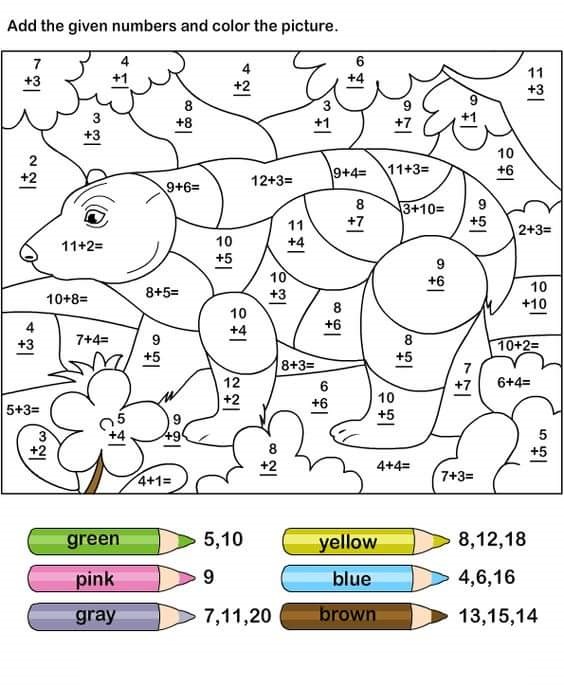
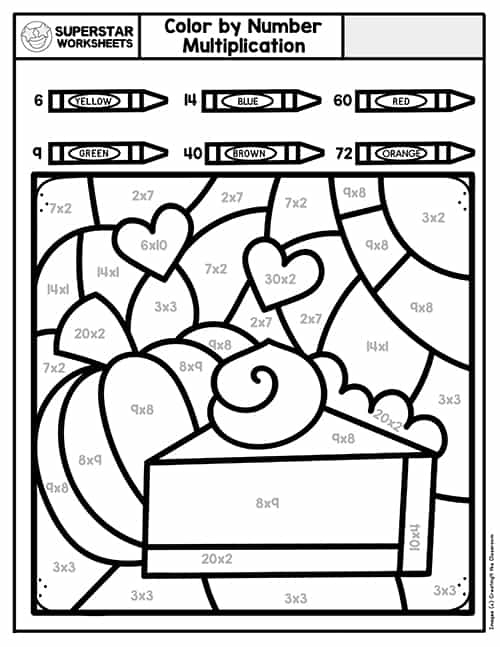
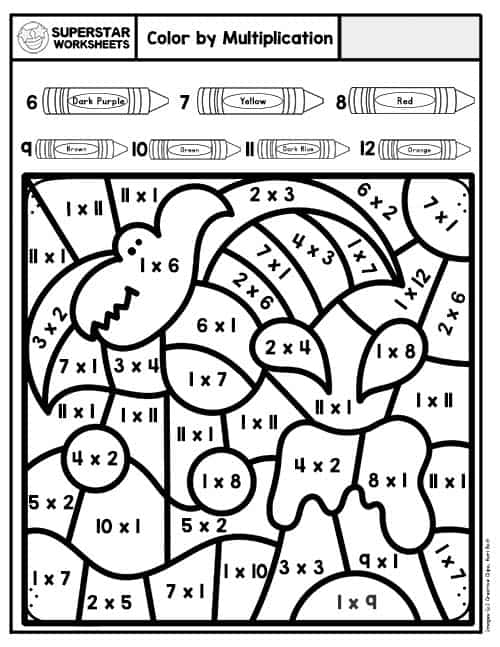
These worksheets typically feature a variety of mathematical problems that, when solved correctly, correspond to specific colors. The student solves each problem, then locates the matching answer on the coloring image and fills in the corresponding area with the designated color. Core Exercises: The exercises within these worksheets may cover a range of mathematical skills, from basic arithmetic like addition, subtraction, multiplication, and division, to more advanced concepts such as fractions, decimals, algebra, and geometry. The complexity of the problems adapts to various grade levels, ensuring relevance and challenge for different skill sets. Interactive Elements: The visual component of the worksheetthe coloring imageis crucial. This image is divided into sections, each corresponding to a mathematical problem or a range of solutions. This connection between the mathematical task and the visual outcome promotes focused engagement. The act of coloring itself provides a tactile and visual reinforcement of the mathematical skills. Variations: Some worksheets can incorporate thematic elements, linking the mathematical exercises to particular holidays, seasons, or subjects like animals or nature. These thematic links can further increase engagement, particularly among younger learners, making the learning experience more relatable and exciting.
Tips and Complementary Resources
To maximize the effectiveness of these worksheets, it is helpful to establish a dedicated learning environment free from distractions. Daily Practice Tips: Implement the worksheets as part of a regular study routine, setting aside specific times for their use. This creates consistency and fosters better retention of the learned material. It is also important to ensure a wide range of colors is available to enhance the visual experience. Before starting, take a moment to review the mathematical concepts involved, ensuring the student has a basic understanding of the principles. Celebrate successes and provide positive reinforcement for effort and completion. Pairing with Other Resources: Consider using these worksheets in conjunction with other learning materials, such as textbooks, online tutorials, and interactive games. This blended approach provides a holistic and comprehensive understanding of mathematical concepts. Furthermore, adapt the use of these worksheets to specific learning styles. Some students may benefit from working independently, while others may prefer collaborative problem-solving. Regular feedback and assessment are essential, enabling one to monitor progress and identify areas that need further attention.
Conclusion
In summary, these worksheets offer a uniquely effective way to blend math learning with the inherent enjoyment of creative activities. They transform potentially daunting math exercises into a fun and accessible activity, promoting positive learning experiences. The act of solving problems and then coloring reinforces concepts, aiding memorization and comprehension, and reduces math anxiety. The worksheets can be readily adapted to various age groups and skill levels, making them a valuable tool for educators and parents alike. Their integration into a well-rounded educational approach can lead to enhanced engagement, better understanding, and more positive attitudes towards mathematics. Explore the possibilities these worksheets present and witness how they can transform learning into a colorful and rewarding experience. Consider looking into additional puzzle-based learning resources or pattern recognition activities to build on the foundations established by this method. Embrace this resource and unlock a new and exciting path to mathematical proficiency.
Key Specifications & Age-Group Overview
| Age / Grade Group | Target Skill Focus | Recommended Medium |
|---|---|---|
| Toddlers (Ages 2–4) | Hand-eye coordination & broad motor grasp | Jumbo crayons & washable finger paints |
| Early Elementary (Ages 5–7) | Line boundaries & fine pencil control | Standard colored pencils & fine-tip markers |
| Intermediate (Ages 8+) | Color blending, shading & artistic patience | Watercolor pencils, gel pens & dual-brush markers |
Images References :
Discover more printable learning activities by visiting our full Shape and Color Worksheets archive for teachers, homeschoolers, and parents.