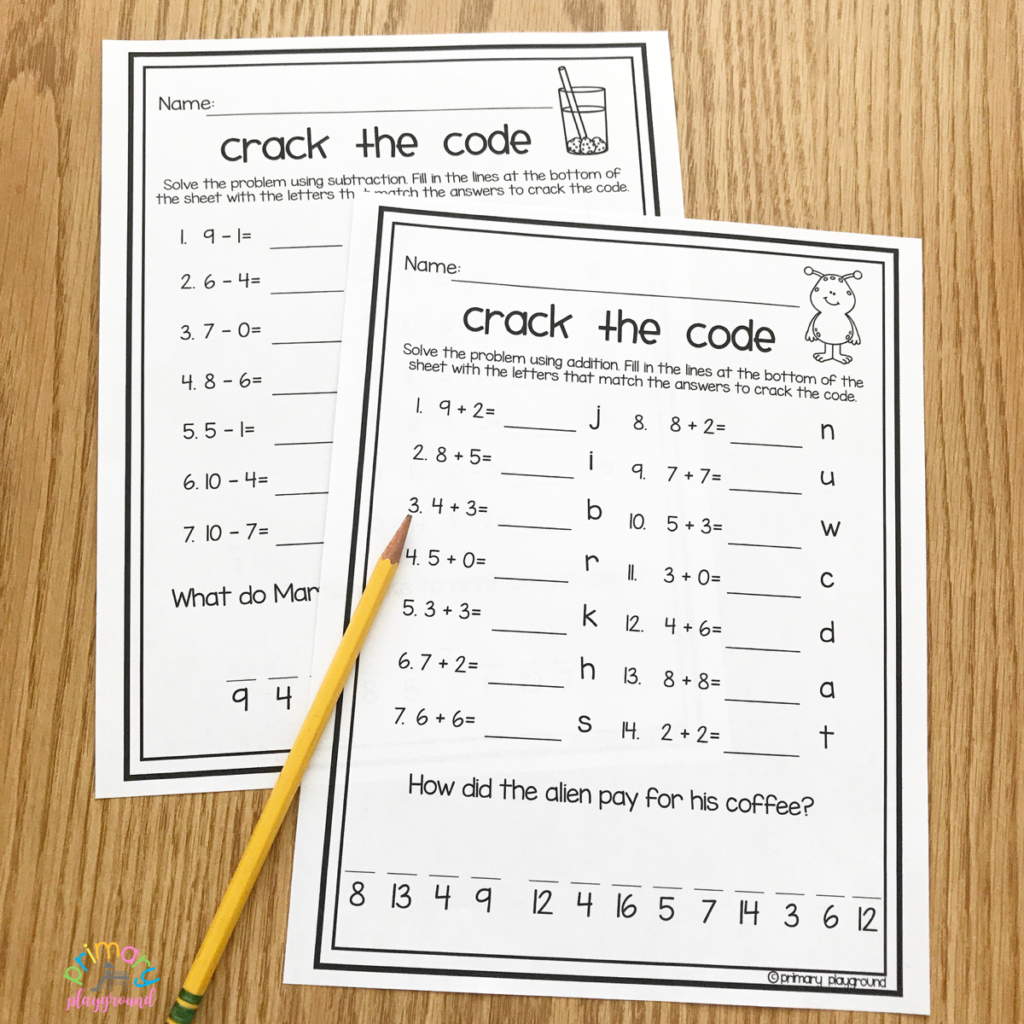
Introduction and Importance of Maze-Based Mathematical Practice
Incorporating mathematical challenges into engaging formats can significantly enhance learning outcomes. One effective approach is to utilize puzzles and games, which transform the often-perceived drudgery of mathematical practice into an enjoyable activity. A particularly effective tool in this regard is the mathematical maze. These activities provide a structured pathway for students to reinforce their understanding of various mathematical concepts, ranging from basic arithmetic to more complex algebraic equations. Completing a path through these puzzles requires the learner to solve a series of problems, reinforcing concepts while maintaining their attention through the interactive nature of the task. Such methods have proven to be beneficial in both formal educational environments and for supplemental learning at home. The element of fun associated with such a problem-solving method reduces anxiety related to math, making learning more accessible and effective, promoting greater confidence and proficiency in mathematical skills. The appeal of such exercises extends across age groups, making it a versatile tool for educators and parents alike.
💡 Educational Key Takeaways:
- Core Skill: Structured Maze Math Worksheet focused on developing pencil grip, stroke control, and early literacy/math confidence.
- Target Scope: Suited for homeschoolers, preschool, kindergarten, and elementary learners.
- Best Recommendation: Practice 10–15 minutes daily with ergonomic writing tools to reinforce muscle memory without hand fatigue.
Structure and How It Works
A typical mathematical maze presents a visual grid with multiple pathways. The starting point is clearly marked, and the goal is to navigate to the designated endpoint. Core Exercises: Each path segment contains a mathematical problem or equation. To advance, the learner must correctly solve the problem and identify the path that corresponds to the correct answer. This process is repeated until the end of the puzzle is reached. The types of mathematical problems included can vary widely, covering areas such as addition, subtraction, multiplication, division, fractions, decimals, algebra, and geometry, allowing for customization based on the learners skill level and curriculum needs. Interactive Elements: Some variations incorporate visual cues or themes to further enhance engagement. The difficulty can be adjusted by increasing the complexity of the mathematical problems, the number of pathways, or the inclusion of distractors. This adaptability makes the educational tool suitable for students with diverse learning styles and skill sets. It facilitates independent practice and reinforces concepts taught in the classroom in a non-intimidating environment. Related guide: Fun Math Game Worksheets.
Tips and Complementary Resources
To maximize the benefits, strategic implementation is key. Daily Practice Tips: Consistent, short practice sessions are more effective than infrequent, lengthy ones. Encourage learners to work through a puzzle daily, focusing on accuracy over speed. Review any errors immediately to reinforce correct understanding. Creating a dedicated workspace free from distractions can also improve focus. Pairing with Other Resources: These puzzles can be effectively combined with other learning resources, such as textbooks, online tutorials, and interactive games. Integrating these activities into a broader curriculum or study plan can provide a well-rounded learning experience. Educators and parents can tailor the problems to align with specific learning objectives or areas where the learner needs additional support. Celebrating successes and acknowledging effort, regardless of the outcome, can foster a positive attitude towards mathematics.
Conclusion
This approach to math practice offers a compelling blend of education and entertainment. It transforms routine exercises into engaging challenges, making it a valuable resource for educators and parents seeking innovative ways to reinforce mathematical concepts. The adaptability of these puzzles makes them suitable for learners of varying ages and skill levels, and the inherent interactivity promotes critical thinking and problem-solving skills. By incorporating a puzzle on a consistent basis, learners can build confidence and proficiency in mathematics while enjoying the process. Consider exploring various online resources and educational materials that offer a range of puzzles and other mathematical activities. Embracing these resources can transform mathematical learning into an enjoyable journey, fostering a lasting appreciation for the subject.
Developmental Milestone & Activity Table
| Development Stage | Recommended Daily Duration | Primary Learning Objective |
|---|---|---|
| Preschool & Pre-K | 10 – 15 Minutes | Pencil grip development & basic pre-stroke lines |
| Kindergarten | 15 – 20 Minutes | Letter/number formation & spatial line awareness |
| Early Elementary (Grade 1–2) | 20 – 30 Minutes | Fluency, sentence construction & neatness |
Images References :
Discover more printable learning activities by visiting our full Fun and Seasonal Math Worksheets archive for teachers, homeschoolers, and parents.