Introduction and Importance of Single-Digit Addition Color by Number
Learning fundamental arithmetic skills is a cornerstone of early education, and mastering single-digit addition is an essential step in this process. Worksheets that combine mathematical practice with creative activities can significantly enhance a child’s learning experience, making it both effective and enjoyable. These resources offer a unique approach to reinforcing addition facts. By integrating coloring activities, they transform the often-perceived drudgery of math practice into an engaging and visually stimulating task. This method is particularly beneficial for younger learners, who may find traditional rote memorization less appealing. This type of worksheet provides a multi-sensory experience that caters to various learning styles. The coloring aspect adds an element of fun and creativity, which can boost motivation and help children retain information more effectively. The approach can be used at home to supplement classroom instruction, providing additional practice in a relaxed and supportive environment. Similarly, teachers can utilize these resources as part of their lesson plans, incorporating them into math centers or as a supplemental activity for students who need extra reinforcement. This type of exercise helps to solidify foundational math skills, setting the stage for more advanced mathematical concepts.
💡 Activity Key Takeaways:
- Core Focus: Printable Single Digit Addition Color By Number designed for creative expression and fine-motor coordination.
- Target Scope: Ideal for toddlers, preschool, kindergarten, and classroom art activities.
- Best Recommendation: Use standard heavy printer paper (24–28 lb) or cardstock for vibrant results with crayons, colored pencils, or washable markers.
Structure and How It Works
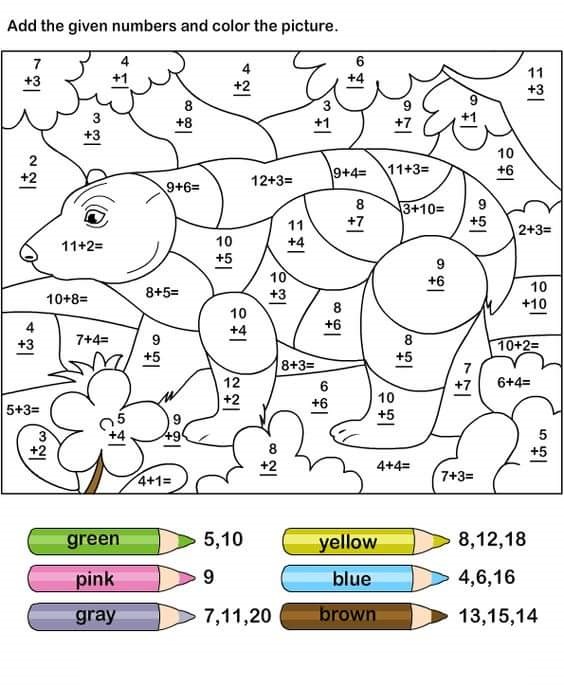
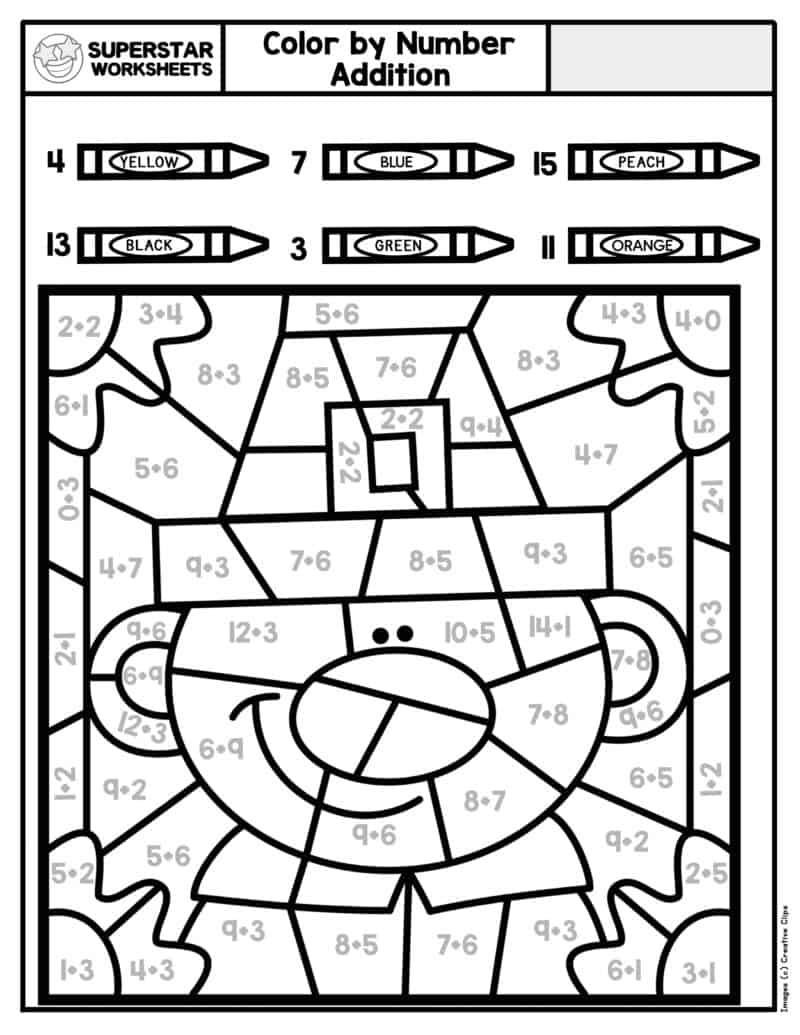
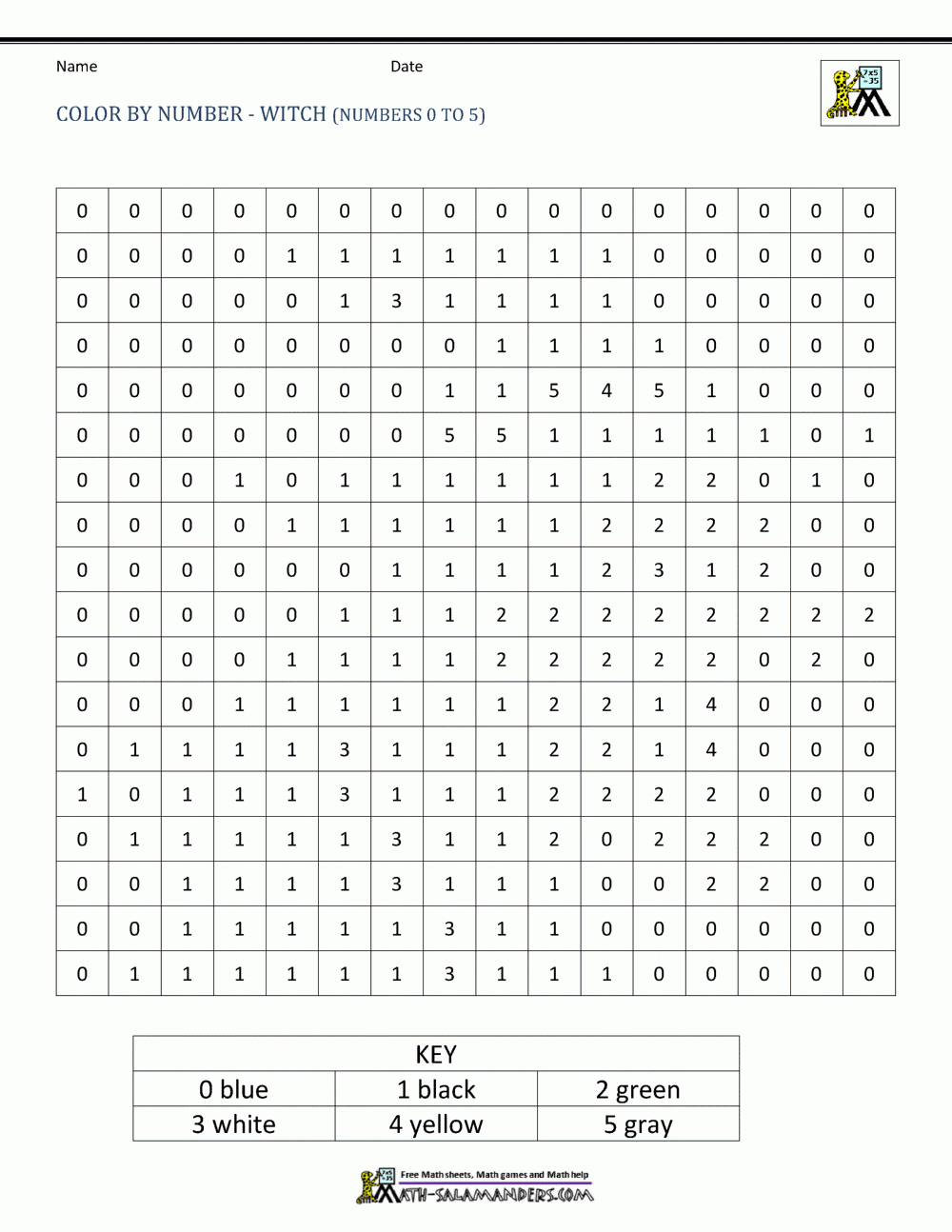
The typical layout of these worksheets involves a picture divided into numbered sections. Each section corresponds to a specific addition problem. Core Exercises: Students are required to solve each single-digit addition problem and then locate the corresponding number on the color key. This key assigns a particular color to each numerical answer. Once the problem is solved and the color identified, students color in the section according to the assigned hue. The problems generally focus on addition facts involving numbers from zero to nine, providing a comprehensive review of basic addition principles. Interactive Elements: The worksheets may incorporate various thematic designs, such as animals, vehicles, or seasonal motifs, which add an extra layer of interest and engagement. The complexity of the design can vary, with simpler pictures for younger children and more intricate patterns for older students. Some worksheets may also include additional activities, such as tracing numbers or drawing shapes, to further enhance learning. The combination of problem-solving and artistic expression helps to reinforce math concepts while developing fine motor skills and creativity. The activity is designed to be self-checking, as errors in addition will result in incorrect coloring, making it easy for children and educators to identify areas needing further attention. The structure makes the learning experience interactive and aesthetically pleasing.
Tips and Complementary Resources
To maximize the benefits of this type of worksheet, certain strategies can be employed. Daily Practice Tips: Consistent, short practice sessions are often more effective than infrequent, longer ones. Allocating just 15-20 minutes each day to complete a worksheet can help to reinforce addition facts and improve fluency. Encouraging students to work independently can foster a sense of accomplishment and self-reliance. Providing positive reinforcement and praise for effort, rather than solely focusing on accuracy, can help to build confidence and motivation. Pairing with Other Resources: These worksheets can be used in conjunction with other math learning tools. Manipulatives, such as counters or number lines, can help children visualize addition problems and develop a deeper understanding of the underlying concepts. Online math games and interactive apps can also provide a fun and engaging way to practice addition facts. Additionally, incorporating real-world examples, such as using addition to solve everyday problems, can help children see the relevance and practicality of math skills. The overall goal is to create a well-rounded learning experience that caters to individual needs and learning styles, promoting a positive attitude towards mathematics.
Conclusion
The benefit of combining math practice with visual engagement creates a memorable and effective learning experience. The format transforms simple arithmetic into an interactive and artistically rewarding activity. By completing these worksheets, individuals not only reinforce their understanding of basic addition facts but also develop valuable problem-solving skills and fine motor coordination. The self-checking nature of the activity allows for independent learning and immediate feedback, making it an ideal resource for both classroom and home use. Furthermore, the positive reinforcement and sense of accomplishment derived from completing the colorful designs can significantly boost confidence and motivation, fostering a positive attitude towards mathematics. Consider exploring related resources, such as subtraction color by number worksheets or geometry-based coloring activities, to further expand mathematical skills and creativity. Implementing this type of exercise can significantly impact foundational mathematical abilities, establishing a robust framework for advanced learning. The activity offers an approachable and valuable tool for educators and parents aiming to make mathematics engaging and accessible.
Key Specifications & Age-Group Overview
| Age / Grade Group | Target Skill Focus | Recommended Medium |
|---|---|---|
| Toddlers (Ages 2–4) | Hand-eye coordination & broad motor grasp | Jumbo crayons & washable finger paints |
| Early Elementary (Ages 5–7) | Line boundaries & fine pencil control | Standard colored pencils & fine-tip markers |
| Intermediate (Ages 8+) | Color blending, shading & artistic patience | Watercolor pencils, gel pens & dual-brush markers |
Images References :
Discover more printable learning activities by visiting our full Shape and Color Worksheets archive for teachers, homeschoolers, and parents.