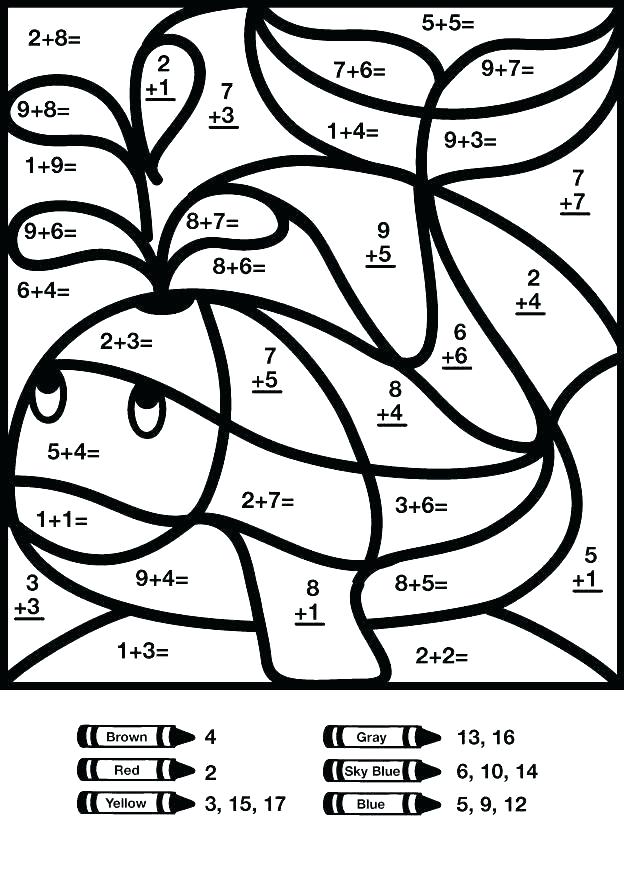
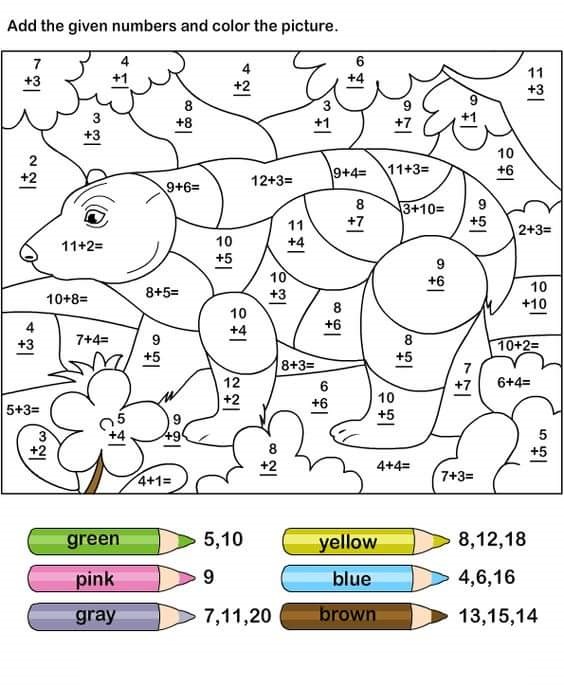
Introduction and Importance of thanksgiving math coloring sheets
Activities that combine mathematical exercises with artistic expression offer a unique and effective approach to learning. The integration of math problems with coloring opportunities transforms what might be perceived as a tedious task into an enjoyable experience. These resources prove particularly beneficial for elementary-aged children, providing a gentle introduction to fundamental mathematical concepts such as addition, subtraction, multiplication, and division. This method can significantly reduce math anxiety, fostering a positive attitude toward the subject from an early age. Furthermore, these printables support the development of fine motor skills and enhance visual-spatial reasoning. They can be implemented effectively in both classroom and home environments, providing an engaging alternative to traditional textbook exercises. The festive theme adds an element of excitement and relevance, making learning more relatable and memorable. These activities capitalize on the holiday spirit, creating a positive association with math and encouraging children to engage actively with the material.
💡 Activity Key Takeaways:
- Core Focus: Printable Thanksgiving Math Coloring Sheets designed for creative expression and fine-motor coordination.
- Target Scope: Ideal for toddlers, preschool, kindergarten, and classroom art activities.
- Best Recommendation: Use standard heavy printer paper (24–28 lb) or cardstock for vibrant results with crayons, colored pencils, or washable markers.
Structure and How It Works
The design of these activities typically includes a series of math problems, each corresponding to a specific color. Once a problem is solved, the solution dictates the color with which to fill in the corresponding section of the picture. Core Exercises: The math problems range in complexity depending on the targeted grade level. Simpler activities might focus on single-digit addition and subtraction, while more advanced versions could incorporate multiplication, division, and basic fractions. Interactive Elements: The visual appeal of the coloring aspect plays a crucial role in maintaining engagement. The layouts are designed to be both stimulating and easy to follow, ensuring that children can independently navigate the resource. Answer keys are usually provided to facilitate self-checking and immediate feedback. The worksheets often feature various Thanksgiving-related imagery, such as turkeys, cornucopias, and pilgrims, which further enhances the thematic connection and appeals to children’s interests. This combination of mathematical problem-solving and creative expression creates a multi-sensory learning experience, making the learning process more memorable and effective.
Tips and Complementary Resources
To maximize the benefits of using these educational tools, several practical tips can be implemented. Daily Practice Tips: Consistent, short sessions are generally more effective than infrequent, longer sessions. Dedicate a specific time each day to work on a worksheet or two. This helps to build a routine and reinforces the learning process. Encourage children to show their work, even for simple problems, to develop good problem-solving habits. Pairing with Other Resources: Supplement these activities with other educational materials, such as online math games or hands-on manipulatives, to provide a well-rounded learning experience. Integrating the activities with relevant storybooks or videos that explore Thanksgiving themes can also enhance engagement and contextual understanding. Positive reinforcement and encouragement are key. Celebrate successes and focus on the learning process rather than solely on the correct answers. By integrating them thoughtfully into a broader educational approach, they can serve as a valuable tool for enhancing math skills and fostering a love of learning.
Conclusion
In conclusion, activities involving math and coloring offer an innovative and engaging way to reinforce mathematical concepts for young learners. Their ability to transform potentially daunting exercises into enjoyable artistic endeavors makes them a valuable asset in both educational and home settings. By alleviating math anxiety and fostering a positive attitude toward the subject, these resources can significantly contribute to a child’s academic development. The integration of problem-solving with creative expression enhances learning and promotes the development of essential skills, such as fine motor coordination and visual-spatial reasoning. Encouraging the use of these learning aids can have long-lasting positive impacts on a child’s mathematical proficiency and overall academic confidence. Exploring related learning resources, such as themed reading comprehension activities or seasonal science experiments, can complement the experience and provide a holistic approach to education. The combination of these tools allows educators and parents to make learning not just effective, but also genuinely enjoyable.
Key Specifications & Age-Group Overview
| Age / Grade Group | Target Skill Focus | Recommended Medium |
|---|---|---|
| Toddlers (Ages 2–4) | Hand-eye coordination & broad motor grasp | Jumbo crayons & washable finger paints |
| Early Elementary (Ages 5–7) | Line boundaries & fine pencil control | Standard colored pencils & fine-tip markers |
| Intermediate (Ages 8+) | Color blending, shading & artistic patience | Watercolor pencils, gel pens & dual-brush markers |
Images References :
Discover more printable learning activities by visiting our full Shape and Color Worksheets archive for teachers, homeschoolers, and parents.