Introduction and Importance of 3 digit by 1 digit multiplication coloring worksheets
Multiplication is a foundational skill in mathematics, and mastering it is crucial for success in more advanced topics. Worksheets that combine multiplication practice with coloring activities offer a fun and engaging way for students to reinforce their understanding of this essential concept. Specifically, exercises focused on multiplying three-digit numbers by single-digit numbers provide a targeted approach to building computational fluency. This type of activity bridges the gap between abstract mathematical concepts and concrete visual learning, making the process more accessible and enjoyable for young learners. The benefits extend beyond the classroom; these resources can be seamlessly integrated into home-based learning environments, providing parents and caregivers with a structured way to support their child’s mathematical development. Consistent practice with this type of exercise cultivates accuracy, speed, and confidence in multiplication skills. Furthermore, by incorporating elements of creativity, these materials help to foster a positive attitude towards mathematics, reducing anxiety and promoting a growth mindset. This approach ultimately leads to improved performance in arithmetic and lays a solid foundation for future mathematical endeavors.
💡 Activity Key Takeaways:
- Core Focus: Printable 3 Digit By 1 Digit Multiplication Coloring Worksheets designed for creative expression and fine-motor coordination.
- Target Scope: Ideal for toddlers, preschool, kindergarten, and classroom art activities.
- Best Recommendation: Use standard heavy printer paper (24–28 lb) or cardstock for vibrant results with crayons, colored pencils, or washable markers.
Structure and How It Works
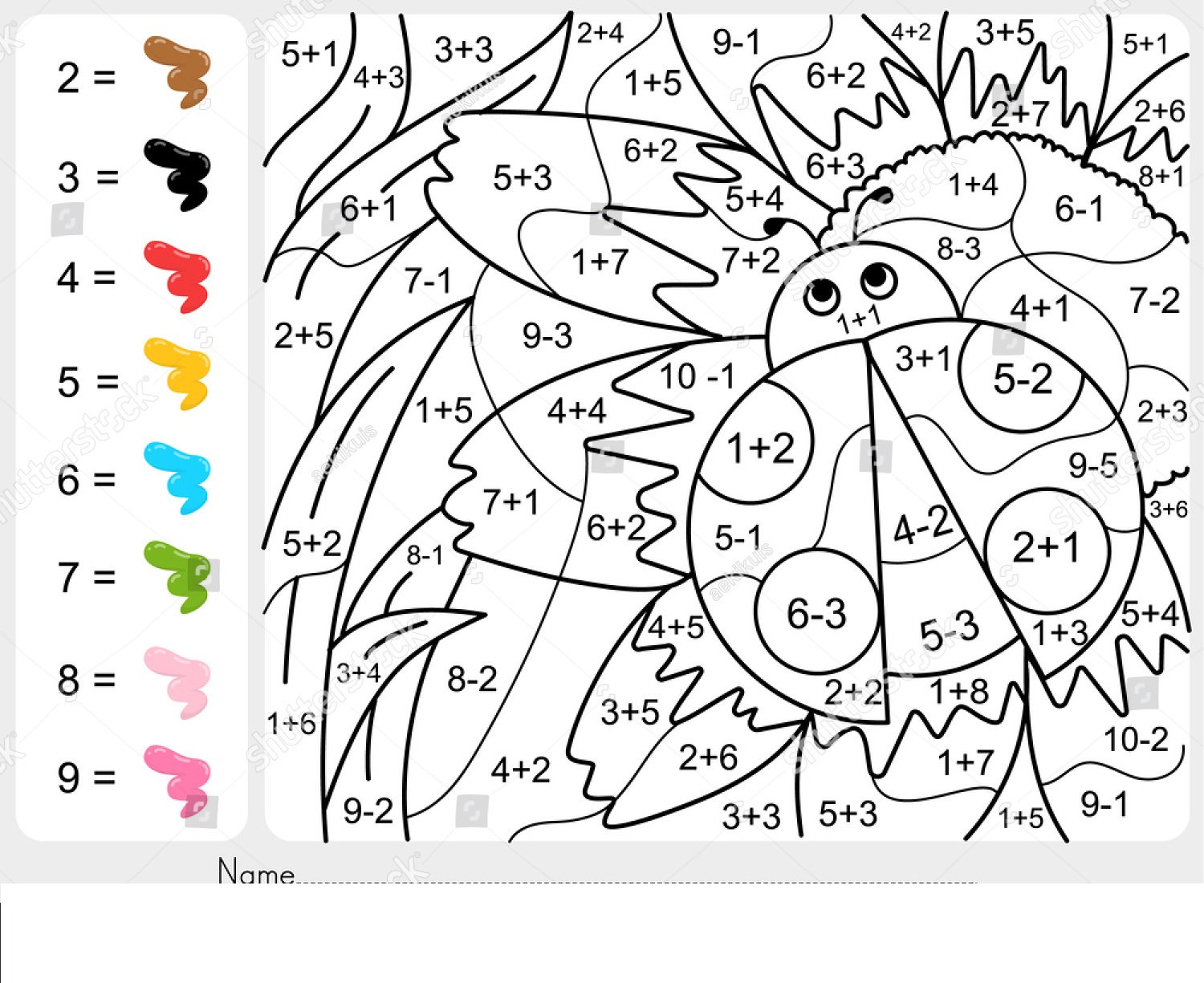
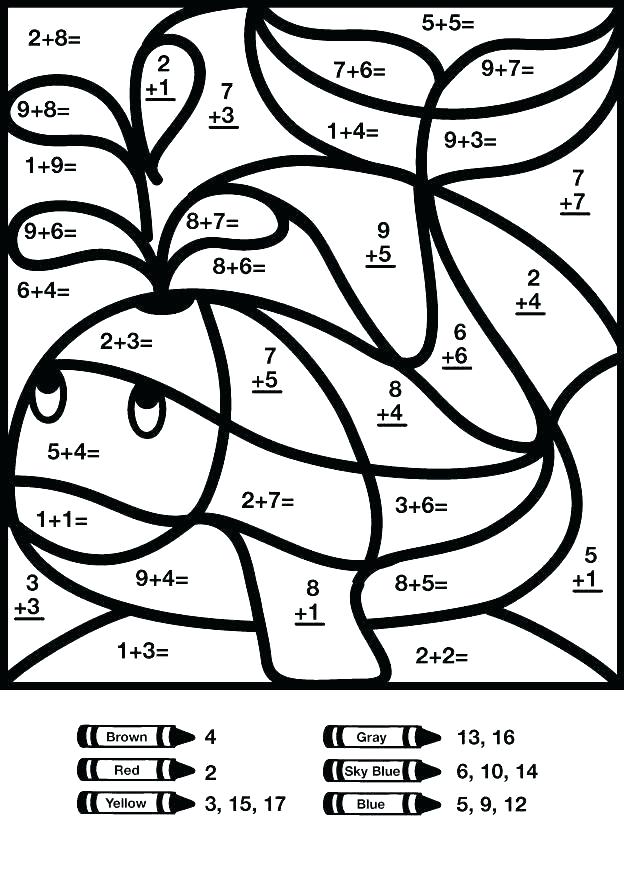
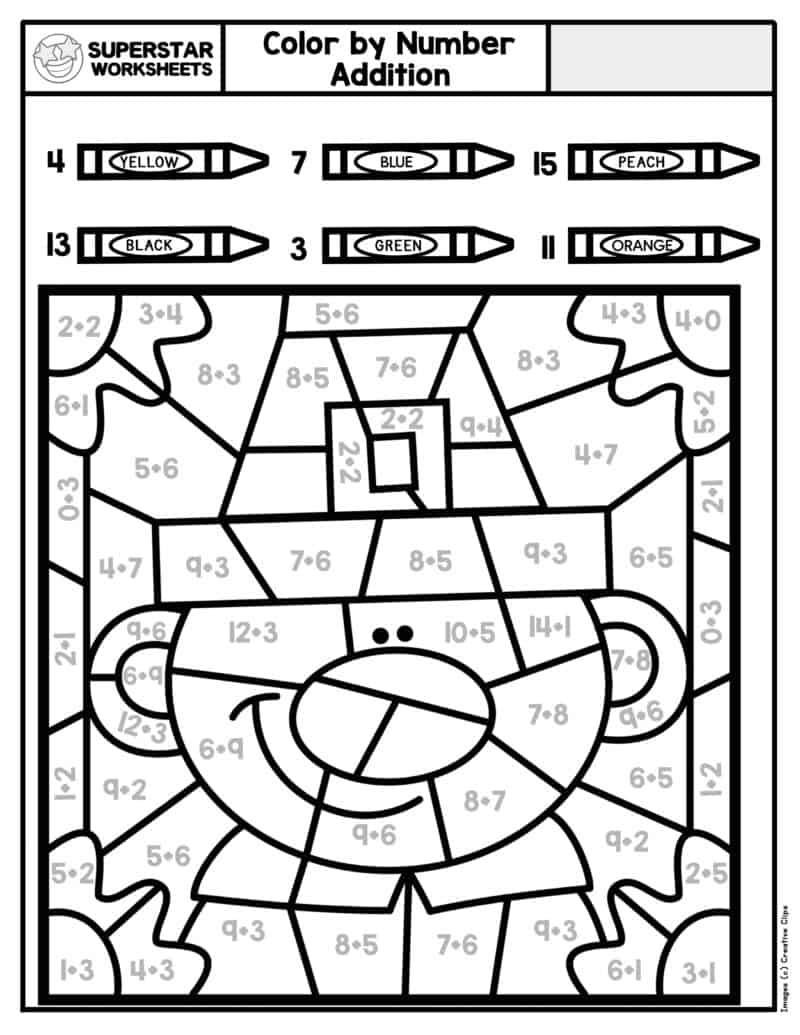
These educational resources typically present a series of multiplication problems, each involving a three-digit number multiplied by a one-digit number. The answer to each problem corresponds to a specific color, and the student fills in designated areas of a picture based on these color keys. Core Exercises: The worksheet‘s primary activity centers around accurately solving multiplication problems. Each problem requires the student to apply their knowledge of multiplication facts, place value, and carrying to arrive at the correct answer. This process reinforces computational skills and builds mathematical reasoning. Interactive Elements: The coloring aspect serves as a self-checking mechanism. If the answer is correct, the resulting color combination will contribute to a visually appealing image. Incorrect answers will lead to mismatched colors, prompting the student to review their calculations and identify any errors. This instant feedback loop promotes accuracy and encourages self-correction. Additional sections may include variations in problem format, such as vertical or horizontal arrangements, or supplementary exercises focusing on multiplication tables or related concepts. The combination of multiplication practice and coloring makes learning math an enjoyable and effective experience. The visual element adds a layer of engagement, making the task more appealing and less daunting, particularly for students who may find traditional math exercises tedious.
Tips and Complementary Resources
Maximizing the benefits of this type of math-focused resource requires a strategic approach. Daily Practice Tips: Short, focused sessions are more effective than infrequent, lengthy ones. Encourage students to tackle a few problems each day to reinforce their skills consistently. Create a dedicated workspace free from distractions to promote concentration. Emphasize accuracy over speed; it is better to solve fewer problems correctly than to rush through and make mistakes. Pairing with Other Resources: Supplement these worksheets with other learning materials, such as multiplication charts, online tutorials, or hands-on manipulatives like counters or base-ten blocks. Consider integrating these activities into a broader curriculum or unit on multiplication. Encourage collaborative learning by allowing students to work together on problems and share their strategies. Regularly assess progress to identify areas where additional support may be needed. By incorporating these practical tips and complementary resources, educators and parents can create a comprehensive and effective learning experience that fosters mastery of multiplication skills.
Conclusion
In summary, worksheets that merge multiplication practice with coloring activities are a valuable tool for reinforcing mathematical skills in an engaging and accessible manner. These resources specifically target the multiplication of three-digit numbers by single-digit numbers, providing a focused approach to building computational fluency and problem-solving abilities. The integration of coloring elements adds a layer of visual interest and enjoyment, making the learning process more appealing and less intimidating for students. Regular use of these materials promotes accuracy, speed, and confidence in multiplication skills. They can be seamlessly incorporated into both classroom and home-based learning environments, offering a structured way to support mathematical development. The self-checking mechanism inherent in the coloring aspect reinforces accuracy and encourages self-correction. By fostering a positive attitude towards mathematics, these resources ultimately contribute to improved performance in arithmetic and lay a solid foundation for future mathematical endeavors. Exploration of similar materials focused on other arithmetic operations or more advanced mathematical concepts is encouraged to further enhance learning and skill development.
Key Specifications & Age-Group Overview
| Age / Grade Group | Target Skill Focus | Recommended Medium |
|---|---|---|
| Toddlers (Ages 2–4) | Hand-eye coordination & broad motor grasp | Jumbo crayons & washable finger paints |
| Early Elementary (Ages 5–7) | Line boundaries & fine pencil control | Standard colored pencils & fine-tip markers |
| Intermediate (Ages 8+) | Color blending, shading & artistic patience | Watercolor pencils, gel pens & dual-brush markers |
Images References


Discover more printable learning activities by visiting our full Shape and Color Worksheets archive for teachers, homeschoolers, and parents.