Introduction and Importance of Color by Number Math Worksheets for Kindergarten
Early mathematical experiences lay a critical foundation for later academic success. Worksheets that combine mathematical practice with coloring activities offer a playful and engaging way for young learners to develop essential skills. These activities promote number recognition, counting abilities, and basic arithmetic operations in a visually stimulating context. Integrating art with mathematics transforms learning from a potentially daunting task into an enjoyable exploration. This multi-sensory approach helps reinforce concepts, making them more memorable and accessible to young children. Furthermore, these worksheets support the development of fine motor skills, hand-eye coordination, and attention to detailskills that are beneficial across multiple developmental domains. Whether used in a classroom setting, for homeschooling, or as supplementary practice at home, these resources provide a valuable tool for fostering early mathematical proficiency and a positive attitude toward learning.
💡 Activity Key Takeaways:
- Core Focus: Printable Color By Number Math Worksheets Kindergarten designed for creative expression and fine-motor coordination.
- Target Scope: Ideal for toddlers, preschool, kindergarten, and classroom art activities.
- Best Recommendation: Use standard heavy printer paper (24–28 lb) or cardstock for vibrant results with crayons, colored pencils, or washable markers.
Structure and How It Works
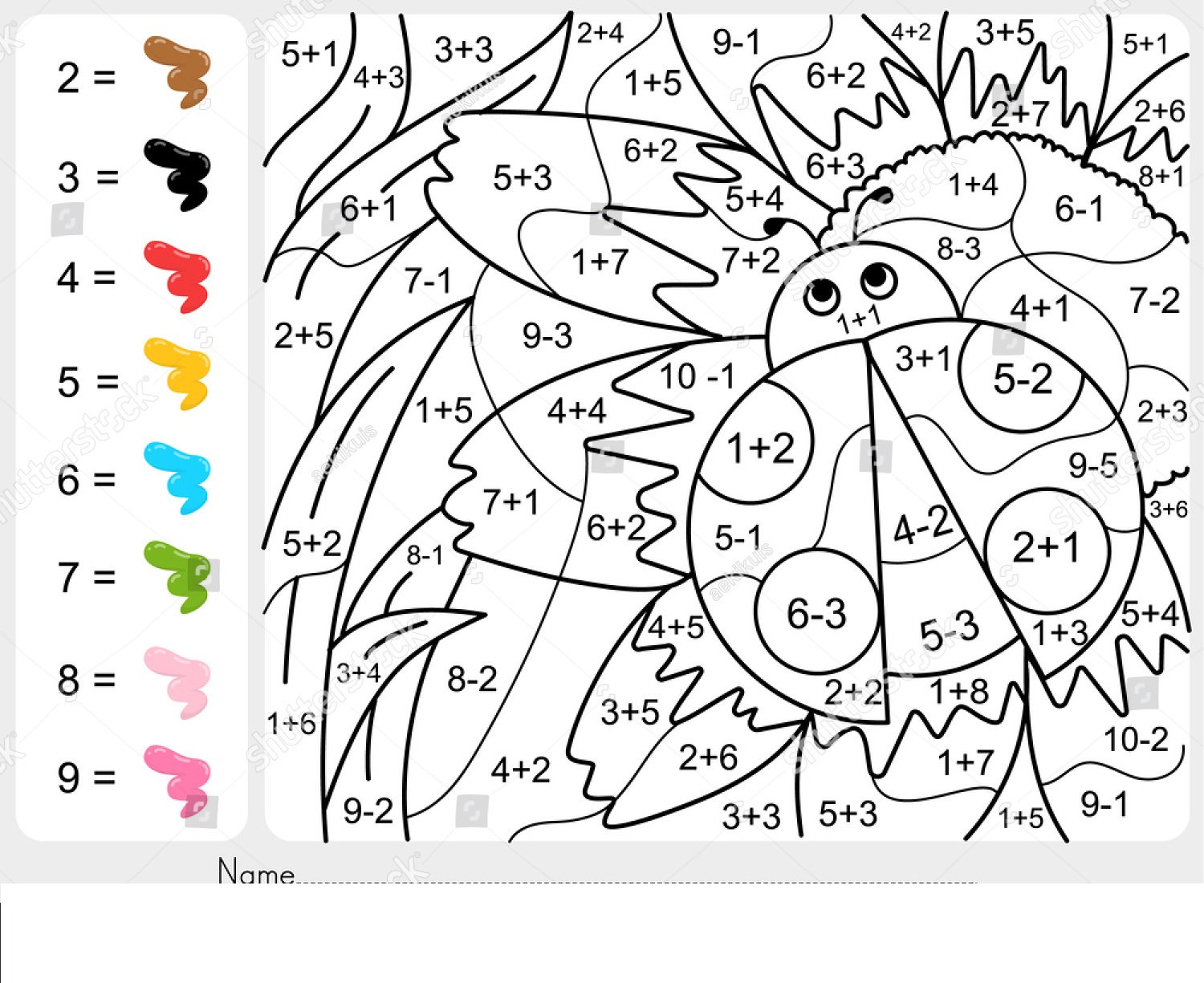
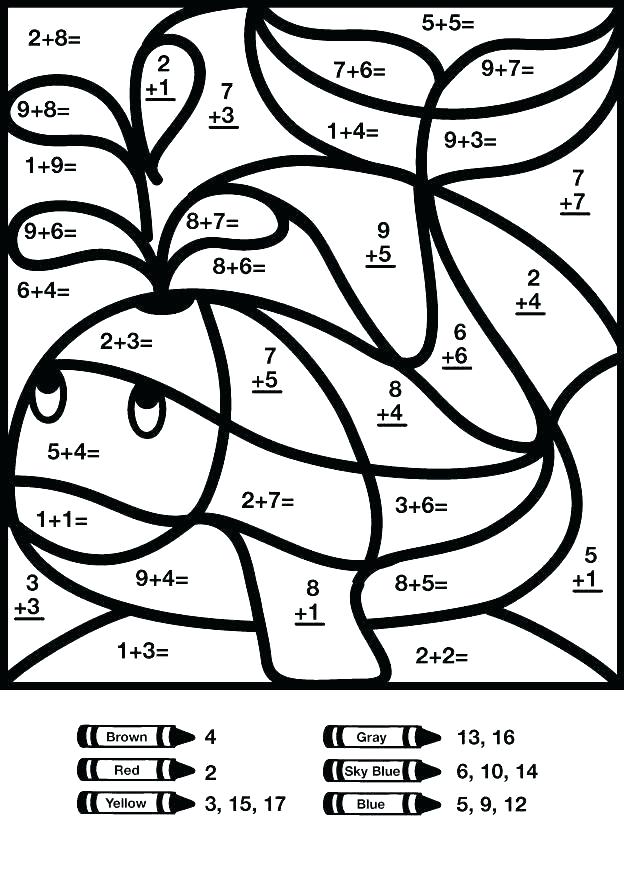
These worksheets typically present a picture divided into numbered sections. Each number corresponds to a specific color, and learners solve simple math problems to determine which color to use in each section. Core Exercises: These activities focus on reinforcing fundamental math concepts such as number identification, counting objects, and basic addition and subtraction. For example, a section might display “2 + 1 = ?” and the answer corresponds to a color key (e.g., 3 = Blue). Interactive Elements: Beyond the simple equation-to-color connection, some worksheets incorporate shape recognition, pattern identification, and even simple word problems. The visual layout is designed to be appealing and uncluttered, facilitating ease of use for young children. Instructions are clear and concise, often accompanied by visual aids. These materials come in varying difficulty levels, allowing educators and parents to select resources appropriate for each child’s individual skill level.
Tips and Complementary Resources
To maximize the educational value of these resources, several practical strategies can be implemented. Daily Practice Tips: Consistent, short sessions (15-20 minutes) are more effective than infrequent, longer ones. Encourage children to verbalize their math thinking as they solve the problems. Provide positive reinforcement and celebrate successes, focusing on the learning process rather than just the final result. Adapt the difficulty of the worksheets to match the child’s current skill level, gradually increasing the complexity as their understanding grows. Pairing with Other Resources: Enhance the learning experience by supplementing worksheets with hands-on activities like counting manipulatives, using flashcards, or playing math-based board games. Consider integrating these activities with relevant storybooks or songs that reinforce mathematical concepts.
Conclusion
Worksheets that artfully combine colors with mathematical problems offer an accessible and enjoyable pathway for kindergarteners to engage with foundational math skills. The dual focus on number recognition and artistic expression not only enhances learning outcomes but also cultivates a positive association with mathematics from an early age. By incorporating these materials into learning routines, educators and parents can actively promote a child’s mathematical confidence, logical thinking, and fine motor skills. The benefits extend beyond simple rote memorization; they foster critical thinking, problem-solving skills, and a lifelong love of learning. Explore the wide variety of available printable materials or consider creating personalized versions to cater to individual learning needs. Resources focusing on alphabet recognition and simple sentence construction complement this type of math practice, creating a well-rounded early learning experience.
Key Specifications & Age-Group Overview
| Age / Grade Group | Target Skill Focus | Recommended Medium |
|---|---|---|
| Toddlers (Ages 2–4) | Hand-eye coordination & broad motor grasp | Jumbo crayons & washable finger paints |
| Early Elementary (Ages 5–7) | Line boundaries & fine pencil control | Standard colored pencils & fine-tip markers |
| Intermediate (Ages 8+) | Color blending, shading & artistic patience | Watercolor pencils, gel pens & dual-brush markers |
Images References :
Discover more printable learning activities by visiting our full Shape and Color Worksheets archive for teachers, homeschoolers, and parents.