Introduction and Importance of year five maths worksheets
Mathematics education in year five marks a pivotal stage in a child’s learning journey. At this level, children begin to solidify their understanding of foundational mathematical concepts while also being introduced to more complex topics. Carefully designed materials are instrumental in reinforcing classroom learning and fostering independent study habits. Regular engagement with these resources provides an opportunity for children to practice and consolidate their knowledge, ensuring a strong grasp of essential skills. This targeted practice helps students to identify areas where they may need further support, enabling them to seek assistance and address any gaps in their understanding. Whether used at home, in school, or for self-study, these educational tools play a crucial role in developing mathematical fluency and confidence. They support a deeper comprehension of mathematical principles, setting the stage for success in more advanced math courses. By working through a variety of problems and activities, children can develop their problem-solving abilities and critical-thinking skills, which are valuable assets in all aspects of life.
💡 Educational Key Takeaways:
- Core Skill: Structured Year Five Maths Worksheets focused on developing pencil grip, stroke control, and early literacy/math confidence.
- Target Scope: Suited for homeschoolers, preschool, kindergarten, and elementary learners.
- Best Recommendation: Practice 10–15 minutes daily with ergonomic writing tools to reinforce muscle memory without hand fatigue.
Structure and How It Works
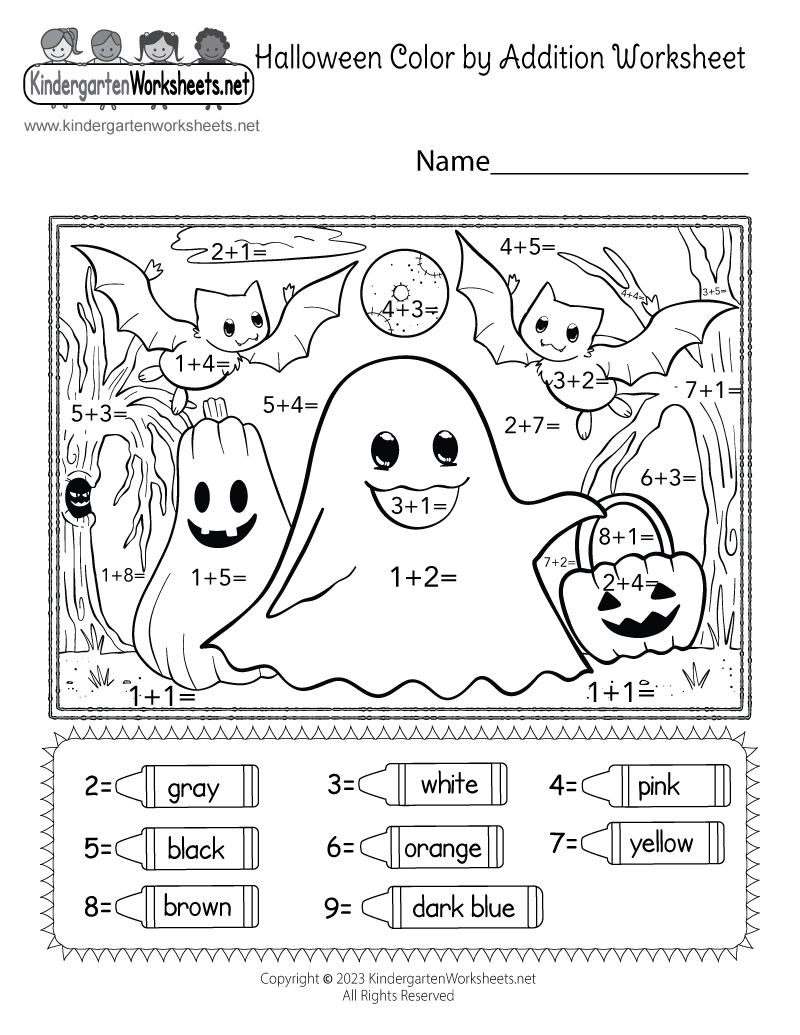
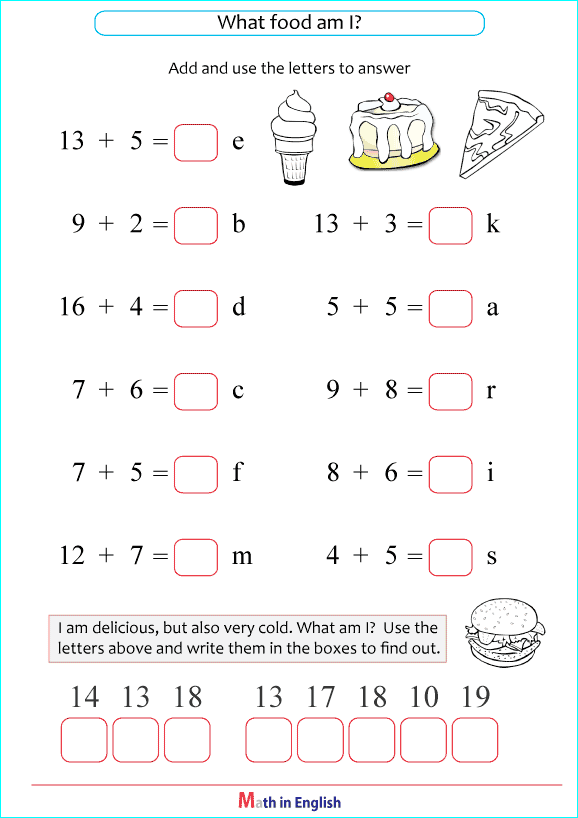
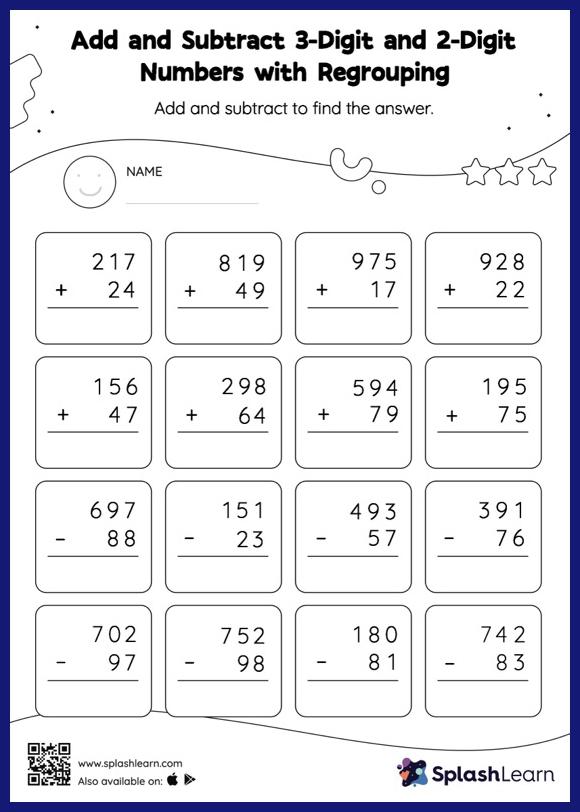
These educational tools are typically structured to cover a wide range of mathematical topics appropriate for the year five curriculum. A typical resource is designed to reinforce specific skills and provide ample practice opportunities. Core Exercises: These sections usually focus on arithmetic operations such as addition, subtraction, multiplication, and division with whole numbers, fractions, and decimals. Word problems are frequently included to help children apply their mathematical knowledge to real-world scenarios. Geometry and Measurement: Another component covers geometry and measurement, including identifying different shapes, calculating area and perimeter, and working with units of measurement. Data Handling: This section may contain activities related to data handling, such as interpreting graphs and charts, calculating averages, and understanding probability. Interactive Elements: Many resources include interactive elements such as puzzles, games, and challenges to make learning more engaging and fun. This variety keeps children motivated and encourages them to approach mathematics with a positive attitude. The layout is usually designed to be clear and easy to navigate, with plenty of space for children to show their work. Related guide: Addition Printable Games.
Tips and Complementary Resources
Effective use of these educational resources requires a strategic approach. Daily Practice Tips: Consistent daily practice is more effective than sporadic, lengthy sessions. Set aside a dedicated time each day for working through a few problems or activities. Encourage children to show their working and explain their reasoning, which helps to identify any misconceptions. Pairing with Other Resources: Supplement these resources with other learning materials such as textbooks, online tutorials, and educational games. These additional resources can provide alternative explanations and examples, helping children to understand concepts from different perspectives. Encourage collaborative learning by having children work with their peers or siblings on challenging problems. This can help them to learn from each other and develop their problem-solving skills. Regular feedback is essential for supporting children’s learning and progress. Provide constructive criticism and praise effort and improvement, not just correct answers.
Conclusion
In conclusion, utilizing well-designed mathematical learning materials is an invaluable tool for supporting a child’s mathematical development in year five. These resources provide structured practice, reinforce classroom learning, and foster independent study habits. By working through a variety of problems and activities, children can develop their mathematical fluency, problem-solving abilities, and critical-thinking skills. Consistent engagement with these resources helps to identify areas where children may need further support, enabling them to seek assistance and address any gaps in their understanding. The benefits extend beyond academic achievement, fostering a positive attitude towards mathematics and building confidence in their abilities. Encourage immediate use to reinforce learned concepts and prepare for future challenges. Consider supplementary materials such as online math games or interactive tutorials to further enhance the learning experience. The proactive use of such resources sets a strong foundation for continued success in mathematics and related fields.
Developmental Milestone & Activity Table
| Development Stage | Recommended Daily Duration | Primary Learning Objective |
|---|---|---|
| Preschool & Pre-K | 10 – 15 Minutes | Pencil grip development & basic pre-stroke lines |
| Kindergarten | 15 – 20 Minutes | Letter/number formation & spatial line awareness |
| Early Elementary (Grade 1–2) | 20 – 30 Minutes | Fluency, sentence construction & neatness |
Images References :
Discover more printable learning activities by visiting our full Fun and Seasonal Math Worksheets archive for teachers, homeschoolers, and parents.