Introduction and Importance of Halloween-Themed Math Practice
Incorporating thematic elements into educational materials can significantly enhance engagement and learning outcomes, particularly for subjects like mathematics. A worksheet designed around the Halloween theme provides a fun and accessible way for learners to reinforce essential math skills. These resources are invaluable for reinforcing classroom lessons, supplementing homeschooling curricula, or simply providing an enjoyable learning activity at home. By embedding mathematical problems within a festive context, learners are more likely to approach the tasks with enthusiasm, reducing math anxiety and fostering a positive association with the subject. This approach makes learning less of a chore and more of an engaging experience. The integration of themed visuals and scenarios can aid in visualizing abstract concepts, making them more concrete and easier to grasp. Such focused practice is essential for solidifying understanding and building confidence in math abilities, ultimately contributing to improved academic performance and a lifelong appreciation for the subject.
💡 Educational Key Takeaways:
- Core Skill: Structured Halloween Math Sheet focused on developing pencil grip, stroke control, and early literacy/math confidence.
- Target Scope: Suited for homeschoolers, preschool, kindergarten, and elementary learners.
- Best Recommendation: Practice 10–15 minutes daily with ergonomic writing tools to reinforce muscle memory without hand fatigue.
Structure and How It Works
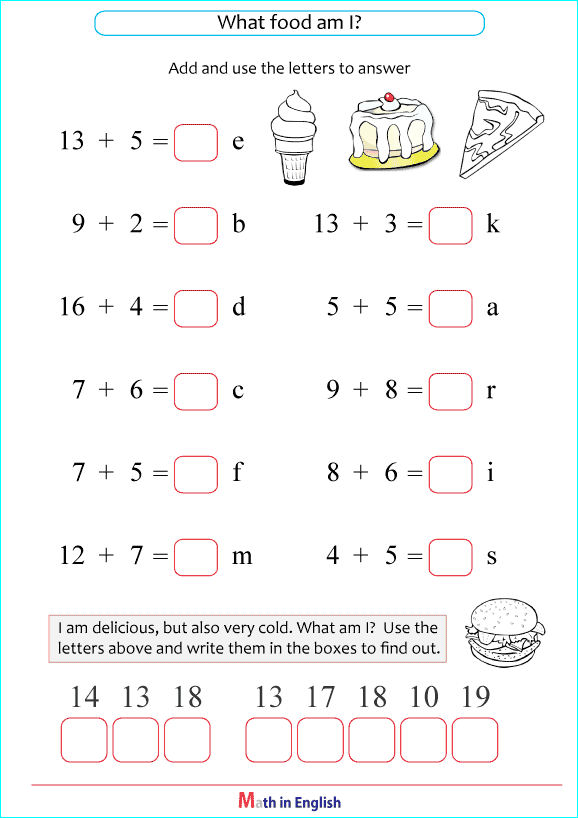
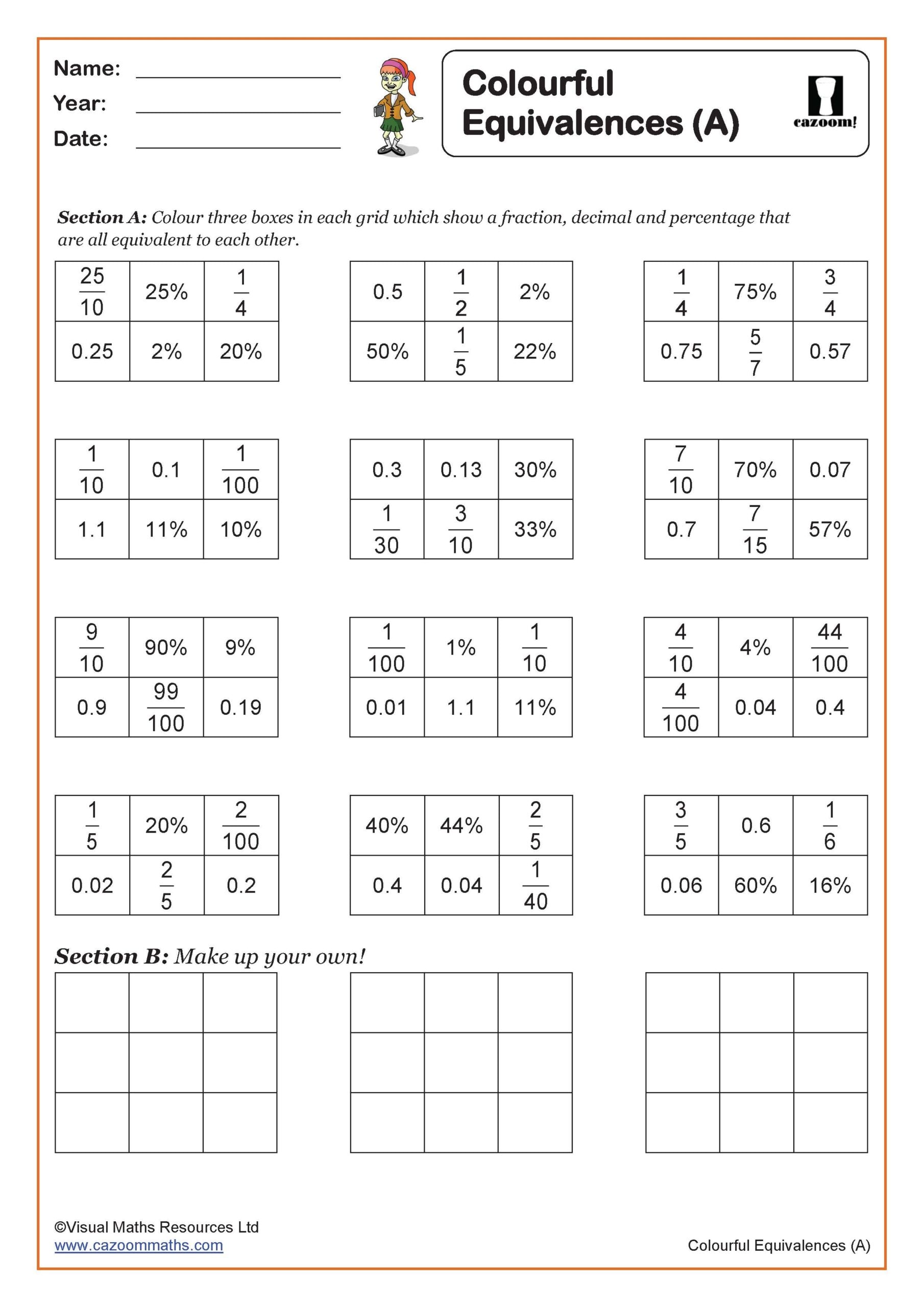
A typical Halloween-themed math practice sheet features a carefully designed layout comprising various sections that cater to different mathematical skills. Core Exercises: These usually include a range of problems covering addition, subtraction, multiplication, and division, tailored to the appropriate grade level. Word problems, often incorporating Halloween-related scenarios (e.g., calculating the total number of candies collected while trick-or-treating), encourage critical thinking and application of math concepts. Interactive Elements: Many sheets incorporate visually appealing graphics such as pumpkins, ghosts, and bats, which are used in counting exercises or as visual aids to solve problems. These elements can also extend to coloring activities, where learners might color parts of an image according to the solutions they obtain. The sheets are structured to progress from simpler to more complex problems, providing a gradual increase in challenge. This progressive difficulty level ensures that learners are continually engaged and that their understanding is reinforced with each step. Instructions are generally clear and concise, making the worksheets easy to use with minimal adult supervision.
Tips and Complementary Resources
To maximize the benefits, it is important to employ effective usage strategies. Daily Practice Tips: Dedicate a specific time each day for completing sections of the Halloween-themed math worksheet. This consistency helps to establish a routine and reinforce learning. Ensure that the learning environment is free from distractions, allowing learners to focus fully on the tasks. Encourage learners to show their work, promoting understanding of the underlying concepts rather than simply memorizing answers. Pairing with Other Resources: Complement the worksheets with online math games and interactive tutorials that align with the covered concepts. Utilize real-life Halloween scenarios, such as calculating the cost of costumes or dividing candies among friends, to demonstrate the practical application of math skills. Consider using manipulatives like counters or blocks to help learners visualize and solve problems. Review previously completed worksheets periodically to reinforce learning and identify areas that require further attention.
Conclusion
The effective use of thematic practice worksheets, such as one centered around Halloween, can offer a valuable and engaging approach to reinforcing essential mathematical concepts. By providing a fun and visually appealing learning environment, these resources can alleviate math anxiety and cultivate a positive attitude toward the subject. The blend of core exercises, interactive elements, and real-world applications makes learning more accessible and memorable. Encouraging consistent use, complemented by interactive resources and real-life examples, can significantly improve comprehension and retention. Immediate use of such materials is encouraged to realize these benefits. Related resources, such as online math games, educational videos, and interactive simulations, can further enrich the learning experience and provide a comprehensive approach to mastering math skills. Ultimately, embracing this method supports improved academic performance and instills a lifelong appreciation for mathematics.
Developmental Milestone & Activity Table
| Development Stage | Recommended Daily Duration | Primary Learning Objective |
|---|---|---|
| Preschool & Pre-K | 10 – 15 Minutes | Pencil grip development & basic pre-stroke lines |
| Kindergarten | 15 – 20 Minutes | Letter/number formation & spatial line awareness |
| Early Elementary (Grade 1–2) | 20 – 30 Minutes | Fluency, sentence construction & neatness |
Images References :
Discover more printable learning activities by visiting our full Fun and Seasonal Math Worksheets archive for teachers, homeschoolers, and parents.