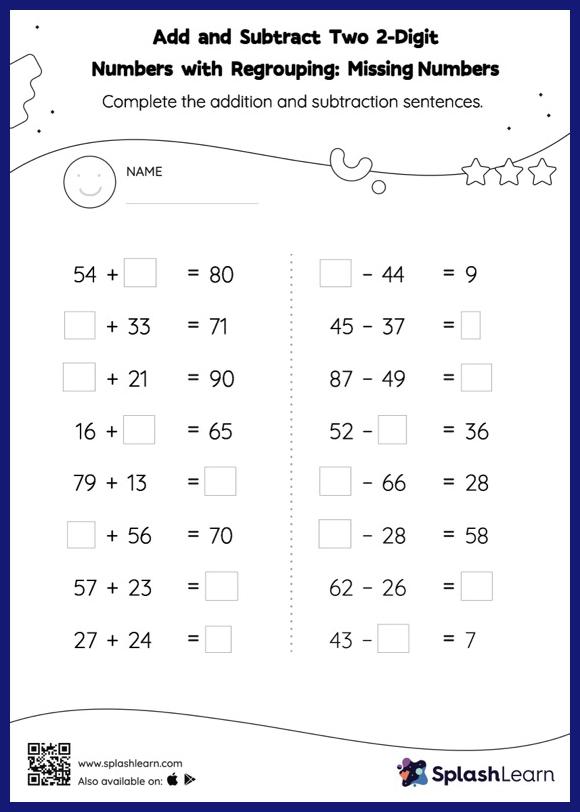
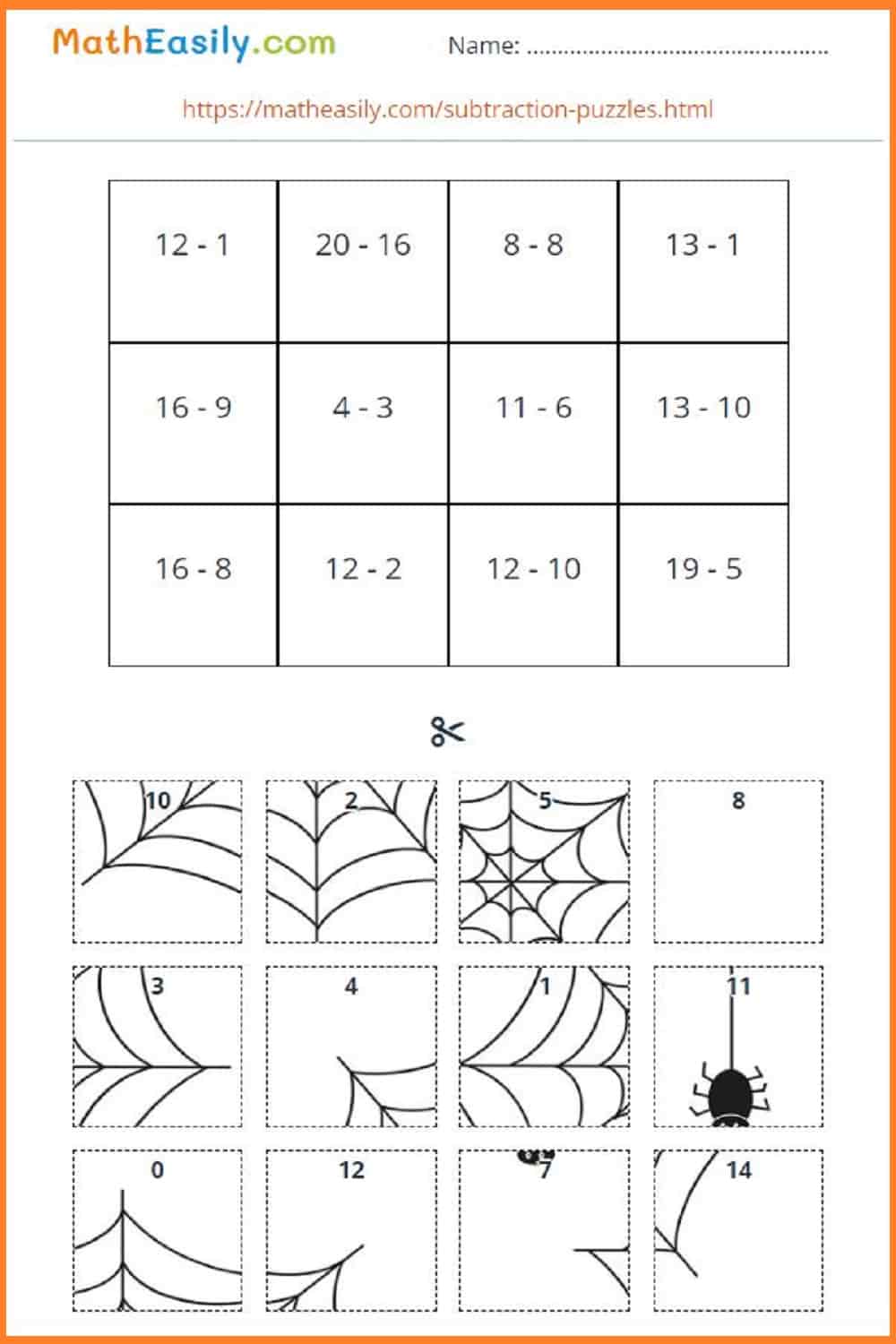
Introduction and Importance of Two-Digit Addition Practice
Mastering two-digit addition is a foundational skill in elementary mathematics, providing a crucial stepping stone to more complex arithmetic operations. Proficiency in this area builds numerical fluency and enhances a student’s overall mathematical confidence. Worksheets designed for this purpose offer a structured approach to learning, breaking down the concept into manageable steps. These resources are invaluable for reinforcing classroom instruction, offering supplemental practice at home, or facilitating self-directed learning. They provide a platform for students to apply their knowledge and develop problem-solving strategies in a focused environment. Through repeated practice, learners internalize the mechanics of carrying over and develop a deeper understanding of place value. This skill enhances not only their academic performance but also their ability to apply mathematical concepts to real-world situations, such as budgeting or calculating quantities. The benefits of consistent practice with such materials extend far beyond the classroom, equipping learners with essential life skills.
💡 Educational Key Takeaways:
- Core Skill: Structured Two Digit Addition Printable Worksheets focused on developing pencil grip, stroke control, and early literacy/math confidence.
- Target Scope: Suited for homeschoolers, preschool, kindergarten, and elementary learners.
- Best Recommendation: Practice 10–15 minutes daily with ergonomic writing tools to reinforce muscle memory without hand fatigue.
Structure and How It Works
The typical worksheet features a series of problems arranged in a clear and organized format, designed to promote accurate calculations and minimize errors. Core Exercises: These sections usually present addition problems in a vertical format, aligning the ones and tens columns to facilitate proper carrying. Learners are expected to add the numbers in each column, starting with the ones place, and carry over any tens to the next column. The worksheets often progress in difficulty, starting with problems that do not require carrying and gradually introducing problems with carrying. Interactive Elements: Some worksheets incorporate visual aids, such as number lines or base-ten blocks, to help learners visualize the process of addition. Answer keys are typically provided to allow for self-checking and immediate feedback. Additionally, some resources include word problems that require learners to apply their understanding of addition to solve real-life scenarios. These problem-solving activities encourage critical thinking and strengthen the connection between abstract concepts and practical applications. The structure aims for a comprehensive and adaptable learning aid.
Tips and Complementary Resources
To maximize the benefits, implement effective strategies. Daily Practice Tips: Short, regular practice sessions are more effective than infrequent, long sessions. Encouraging learners to work through a few problems each day can help reinforce their understanding and improve retention. Emphasize the importance of showing their work, which can help identify errors and track progress. Regularly review previously learned concepts to prevent forgetting. Pairing with Other Resources: Supplement the worksheets with hands-on activities, such as using manipulatives or playing math games. Online resources, such as interactive tutorials and virtual manipulatives, can also enhance learning. Consider using different types of materials, such as flashcards or videos, to cater to different learning styles. By combining various resources, educators and parents can create a comprehensive and engaging learning experience.
Conclusion
The thoughtful use of well-designed materials will foster greater numerical fluency and confidence in learners tackling addition problems. The structured practice solidifies understanding of place value and carrying, preparing them for more advanced mathematical concepts. Encourage regular engagement with these resources to cultivate a positive attitude towards mathematics. The benefits are numerous, impacting academic performance and equipping learners with essential life skills. Consider exploring other related materials, such as subtraction worksheets, multiplication tables, or online math games, to provide a comprehensive learning experience. By consistently practicing and reinforcing these fundamental skills, learners will build a solid foundation for future mathematical success. The proactive application of these strategies creates independent and efficient learners of mathematics.
Developmental Milestone & Activity Table
| Development Stage | Recommended Daily Duration | Primary Learning Objective |
|---|---|---|
| Preschool & Pre-K | 10 – 15 Minutes | Pencil grip development & basic pre-stroke lines |
| Kindergarten | 15 – 20 Minutes | Letter/number formation & spatial line awareness |
| Early Elementary (Grade 1–2) | 20 – 30 Minutes | Fluency, sentence construction & neatness |
Images References :
Discover more printable learning activities by visiting our full Fun and Seasonal Math Worksheets archive for teachers, homeschoolers, and parents.