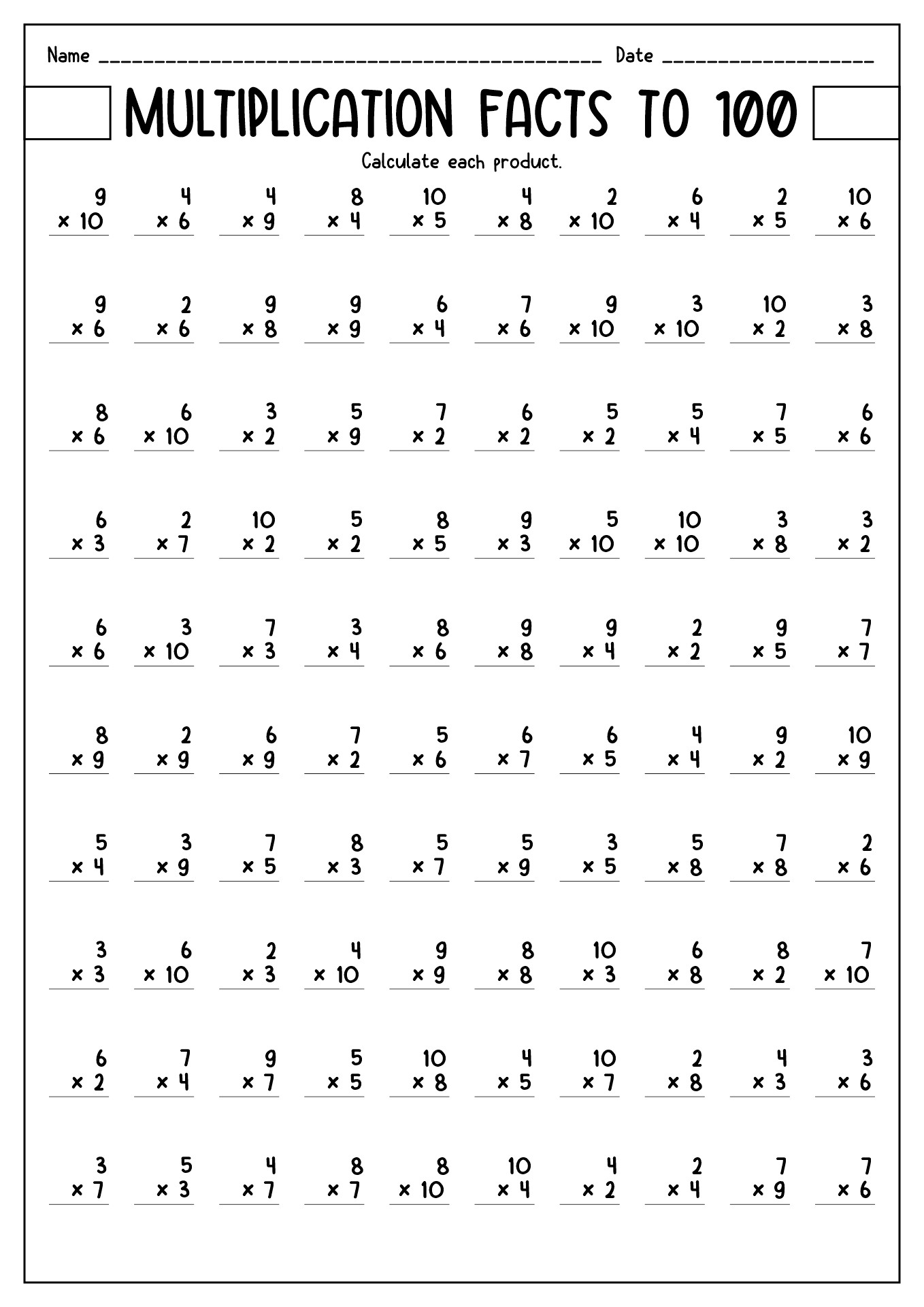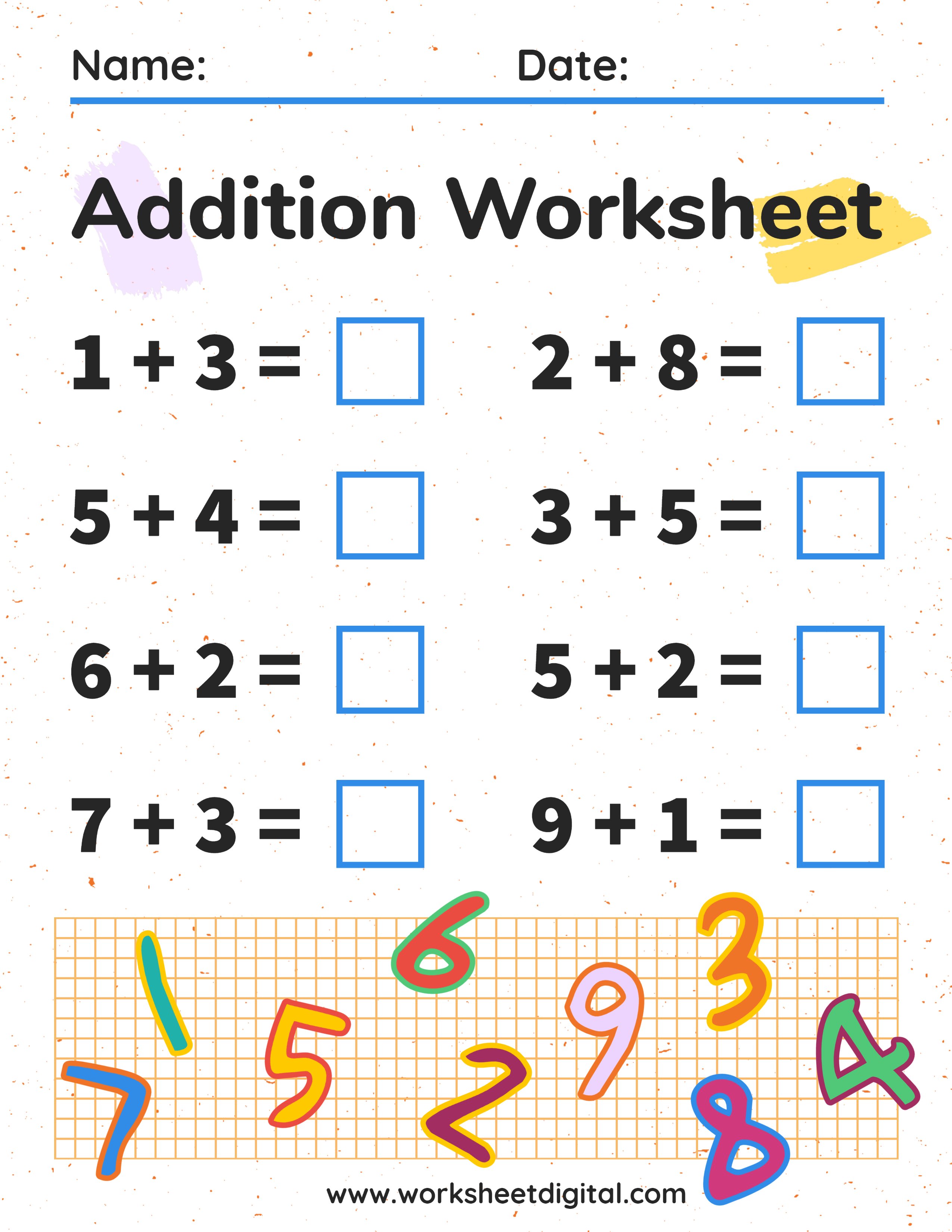
The mastery of fundamental arithmetic operations forms the bedrock of mathematical proficiency. Among these foundational skills, addition holds a paramount position, serving as a gateway to more complex calculations and problem-solving. Practice sheets specifically designed for numerical summation tasks play an indispensable role in developing this essential competency. These structured exercises provide a systematic approach to reinforce learning, build confidence, and ensure a solid understanding of combining numbers, preparing learners for success in all subsequent mathematical endeavors. Explore more in our Math Worksheets category.
💡 Educational Key Takeaways:
- Core Skill: Structured Math Sheet Addition focused on developing pencil grip, stroke control, and early literacy/math confidence.
- Target Scope: Suited for homeschoolers, preschool, kindergarten, and elementary learners.
- Best Recommendation: Practice 10–15 minutes daily with ergonomic writing tools to reinforce muscle memory without hand fatigue.
Utilizing dedicated arithmetic worksheets offers a multitude of educational advantages. Foremost, consistent engagement with these exercises significantly enhances numerical fluency and recall, enabling quicker and more accurate calculations. They foster the development of strong number sense, allowing learners to intuitively understand relationships between numbers. Beyond mere computation, these practice tools refine problem-solving skills by presenting varying formats of summation challenges. Regular practice contributes to increased confidence in mathematical abilities, reducing anxiety often associated with quantitative tasks and encouraging a positive attitude towards learning.
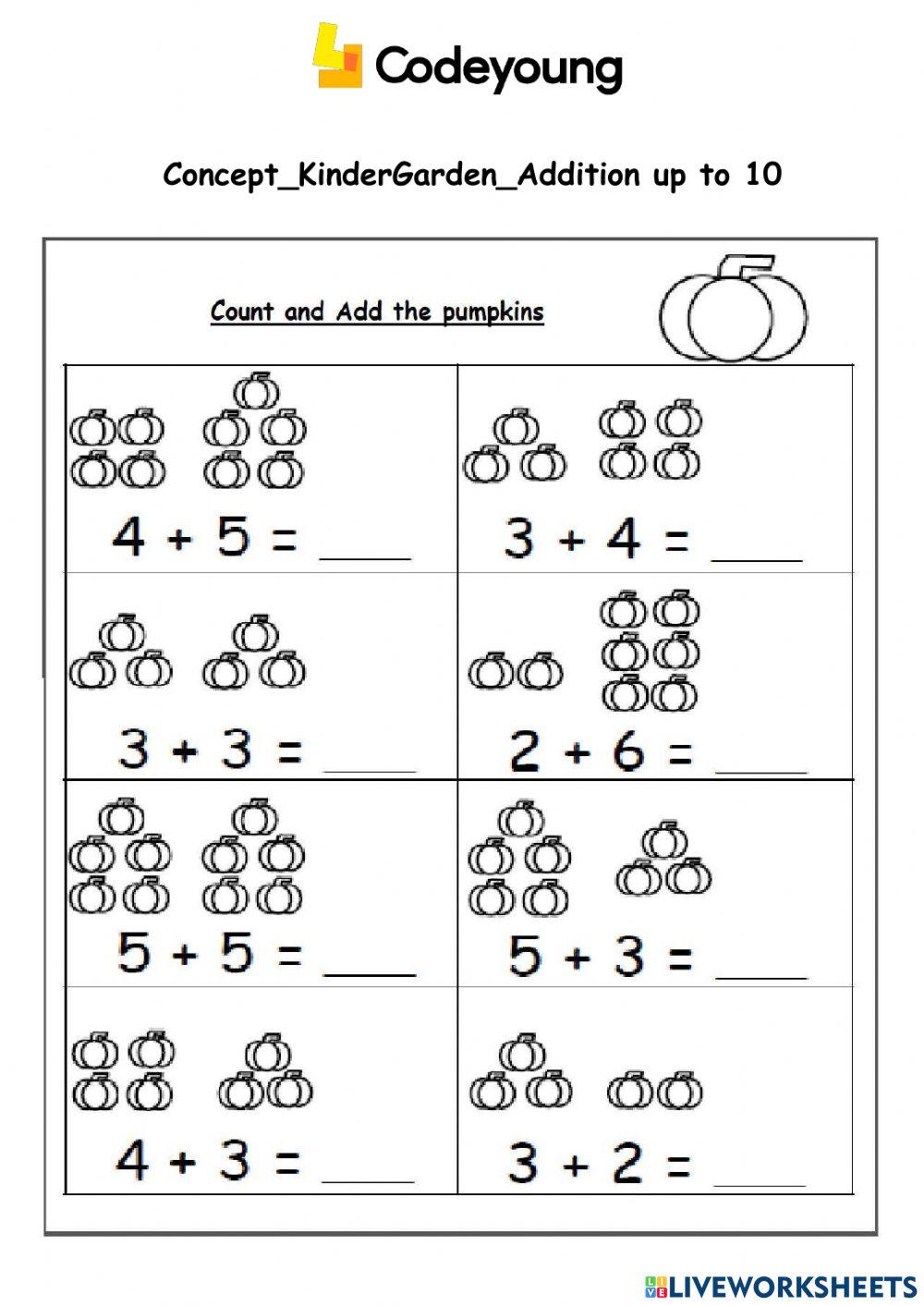
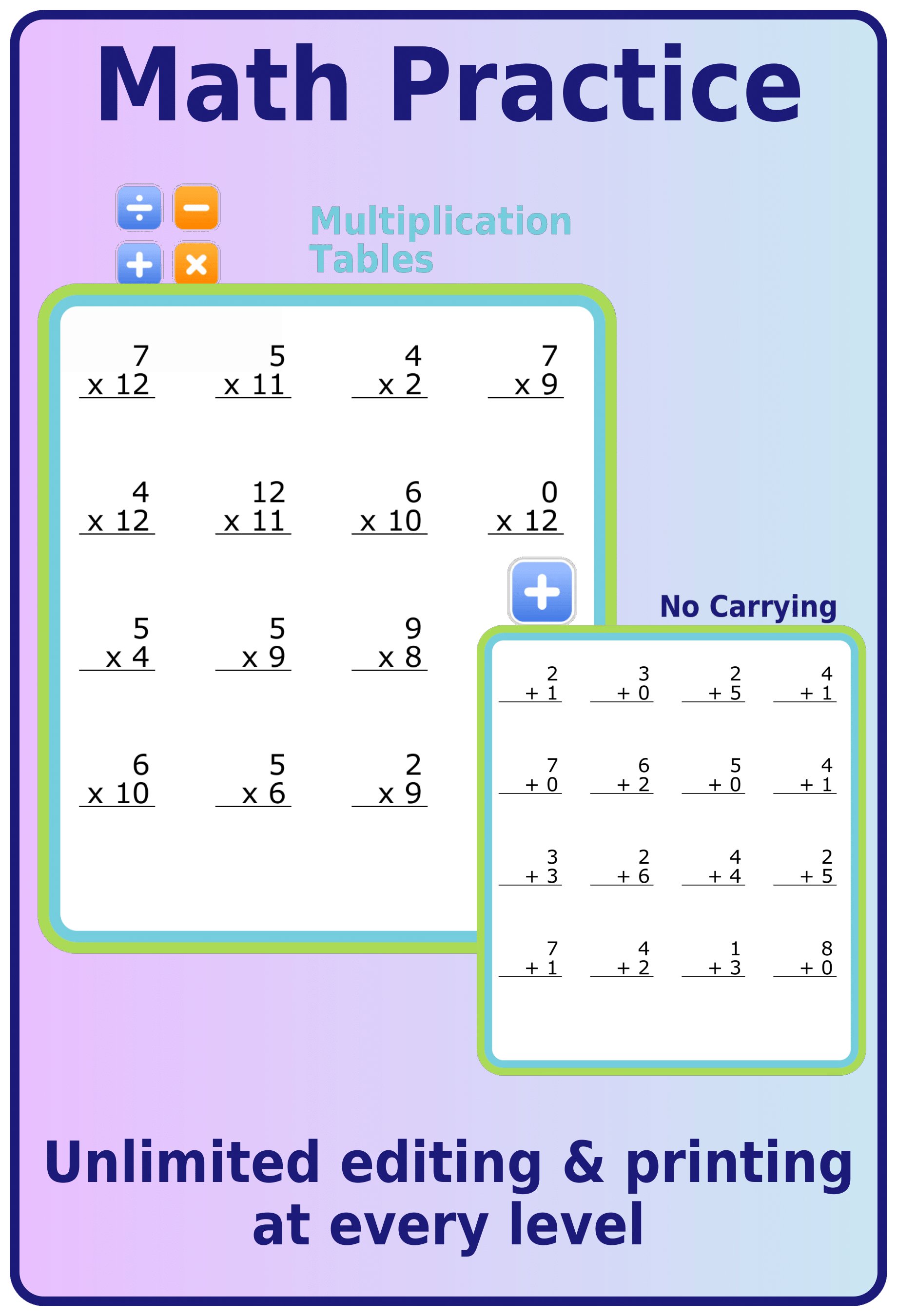
Typically, a worksheet focused on combining numbers is structured to guide learners progressively. Content usually begins with single-digit addition, gradually advancing to multi-digit problems, often incorporating carrying or regrouping concepts. Some sheets may include horizontal and vertical layouts, missing addend problems, or even introductory word problems to apply skills in practical contexts. Visual aids, such as number lines or groups of objects, are sometimes integrated to support conceptual understanding, especially for novice learners, making the abstract idea of combining quantities more concrete and accessible. Browse more guides on Cheap Worksheets.
To maximize the benefits derived from these fundamental arithmetic practice sheets, a strategic approach is recommended. Begin by ensuring a clear understanding of the basic concept of adding. Work through examples slowly, focusing on accuracy over speed initially. Practice sessions should be regular but not overly long, to maintain engagement and prevent fatigue. Utilize physical manipulatives or drawing tools if conceptual hurdles arise. After completing a section, checking answers carefully is crucial; identify and understand any mistakes to prevent repetition. Gradual progression from simpler to more complex problems ensures a steady learning curve and sustained motivation.
Enhancing the learning experience further involves incorporating diverse strategies. Consider integrating interactive games or applications that reinforce addition skills in a fun, engaging manner. Vary the types of practice sheets used, exploring different formats and problem styles to prevent monotony. Setting achievable short-term goals, such as completing a certain number of problems accurately each day, can provide motivation and a sense of accomplishment. When persistent challenges are encountered, seeking additional clarification from instructional materials or educators is advisable. Exploring related worksheets focusing on subtraction, multiplication, or place value can also solidify a broader understanding of arithmetic principles.
Consistent engagement with well-designed practice sheets for numerical summation is a cornerstone of mathematical development. These resources offer an invaluable pathway to mastering essential arithmetic, building confidence, and laying a strong foundation for future academic success. The benefits extend beyond mere calculation, fostering critical thinking and problem-solving abilities that are vital in numerous aspects of life. Continued exploration of these and related educational materials is encouraged to support ongoing learning and skill enhancement.
Developmental Milestone & Activity Table
| Development Stage | Recommended Daily Duration | Primary Learning Objective |
|---|---|---|
| Preschool & Pre-K | 10 – 15 Minutes | Pencil grip development & basic pre-stroke lines |
| Kindergarten | 15 – 20 Minutes | Letter/number formation & spatial line awareness |
| Early Elementary (Grade 1–2) | 20 – 30 Minutes | Fluency, sentence construction & neatness |
Images References :