Introduction and Importance of Free Printable Kindergarten Math Worksheets
Early exposure to mathematical concepts lays a crucial foundation for future academic success. Introducing foundational skills like counting, number recognition, and basic shapes in a fun, engaging manner is essential for young learners. Readily available resources designed for kindergarten-level math provide an accessible avenue for reinforcing these concepts at home, in the classroom, or during self-study. These resources offer flexibility, allowing educators and parents to tailor learning experiences to individual student needs. They provide a supplementary tool to support formal instruction and to address learning gaps. Consistent practice with these resources can solidify understanding and build confidence in young mathematicians, preparing them for more complex problem-solving later in their academic journey. The accessibility of such materials removes potential barriers to early math education, promoting a more equitable learning environment.
💡 Educational Key Takeaways:
- Core Skill: Structured Free Printable Kindergarten Math Worksheets focused on developing pencil grip, stroke control, and early literacy/math confidence.
- Target Scope: Suited for homeschoolers, preschool, kindergarten, and elementary learners.
- Best Recommendation: Practice 10–15 minutes daily with ergonomic writing tools to reinforce muscle memory without hand fatigue.
Structure and How It Works
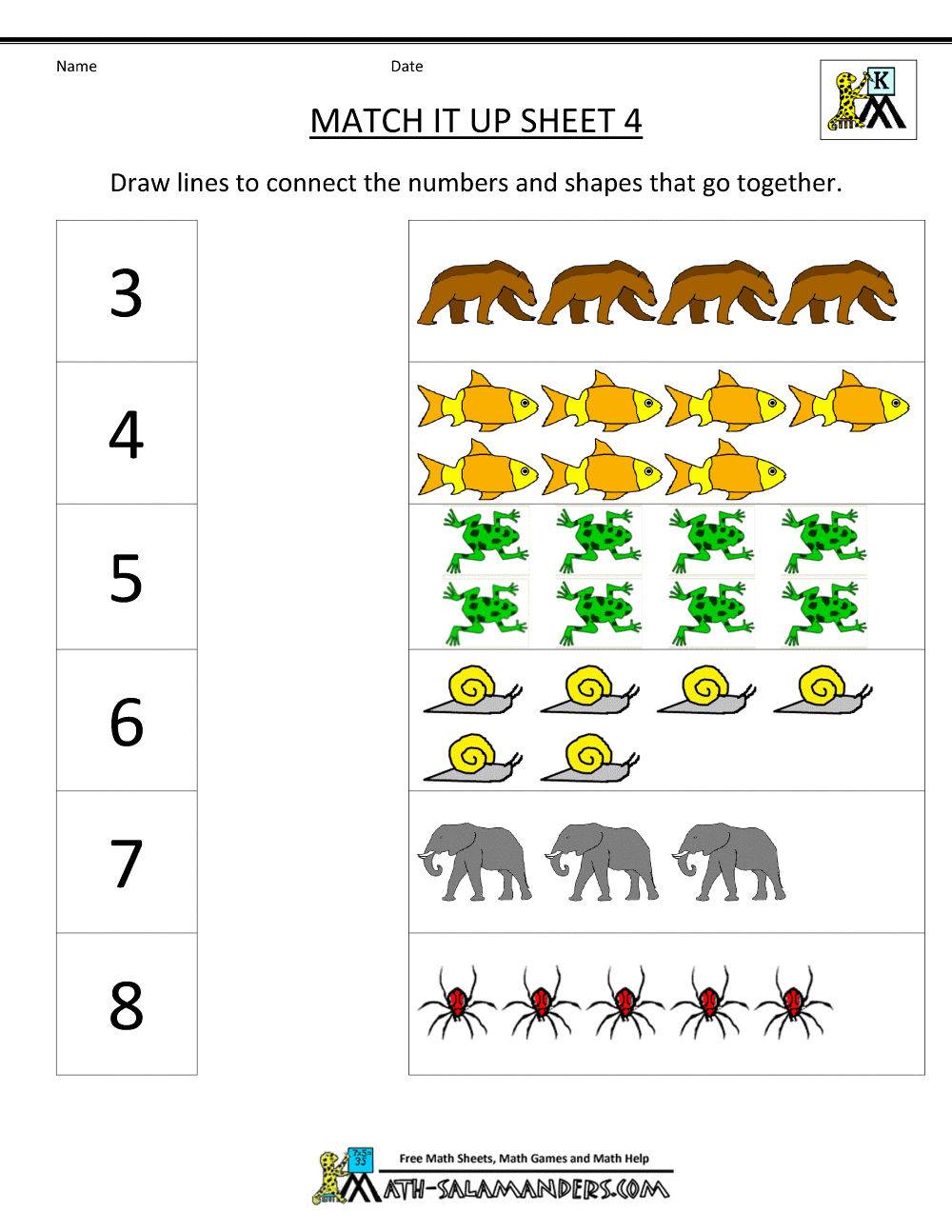
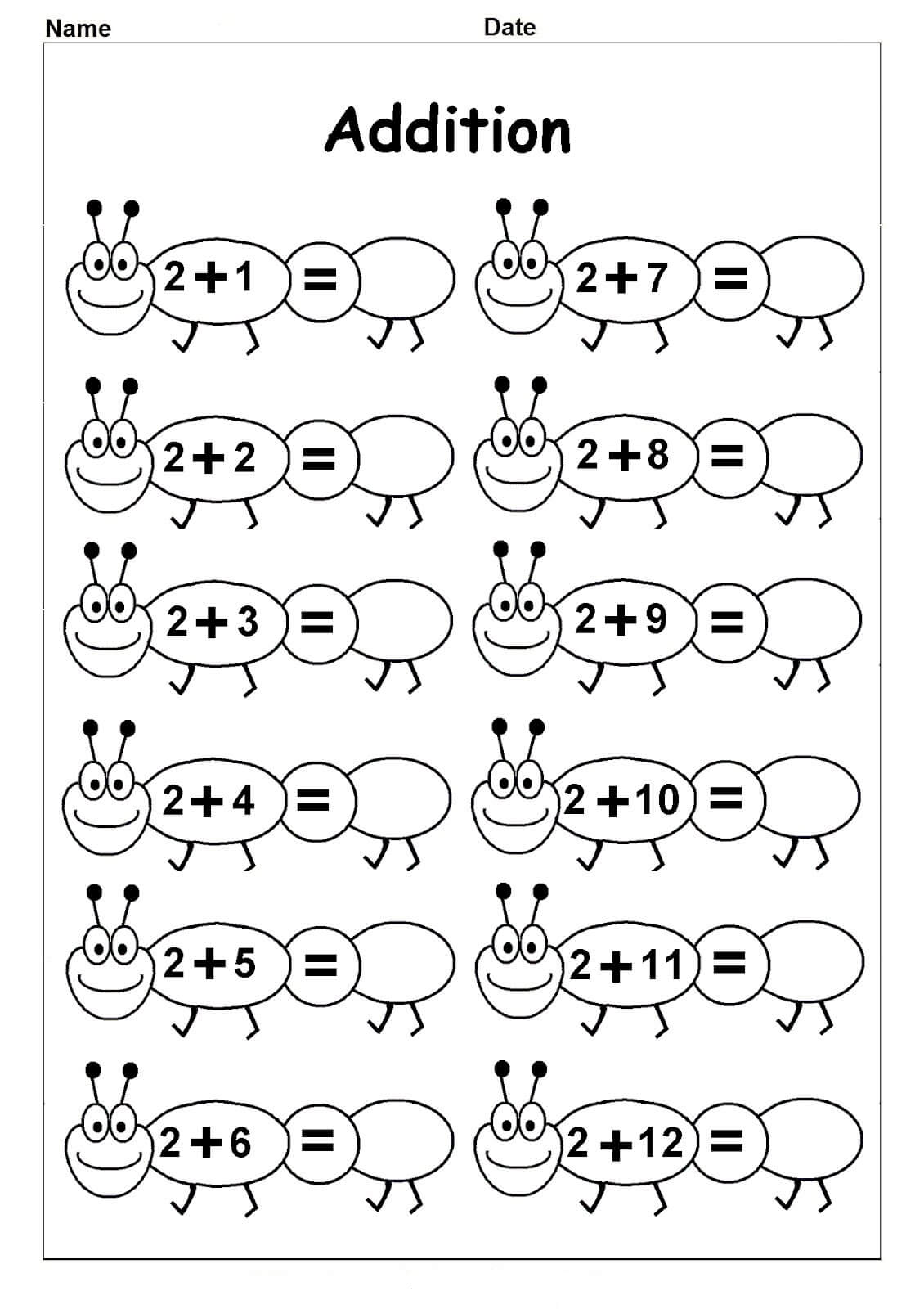
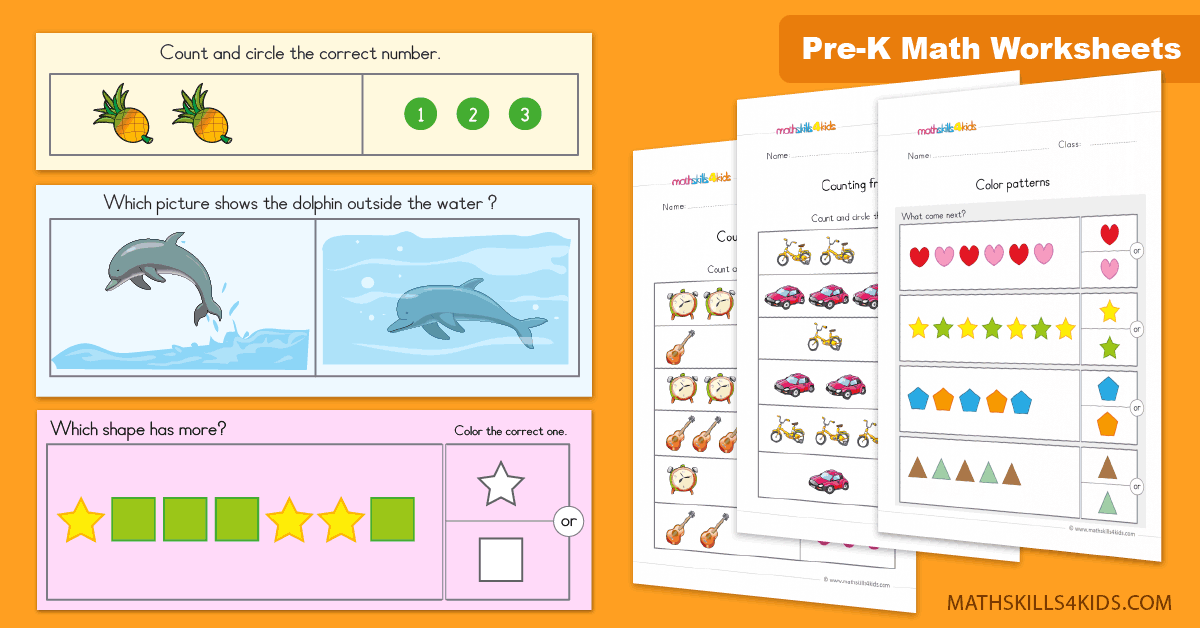
These resources typically consist of a variety of exercises designed to cater to different learning styles and skill levels. The layout is often visually appealing, incorporating colorful illustrations and clear, simple instructions. Core Exercises: Commonly included activities focus on number identification, counting objects, simple addition and subtraction problems using pictures, and recognizing basic geometric shapes. Interactive Elements: Worksheets frequently incorporate visual aids to enhance engagement. For instance, a worksheet might ask children to count a set of objects and circle the corresponding number, or to match shapes to their corresponding names. Some also include coloring activities as a reward or a way to further reinforce learning. The resources are designed to be progressive, building upon previously learned concepts to ensure a steady and comfortable pace of learning. The clear layout and varied activities help maintain the focus and motivation of young learners as they explore fundamental mathematical ideas.
Tips and Complementary Resources
To maximize the effectiveness of the activities, it is important to incorporate them into a regular routine. Daily Practice Tips: A short, focused session each day can yield better results than longer, infrequent sessions. It is also helpful to provide positive reinforcement and encouragement to build confidence and enthusiasm. Celebrate small victories and focus on effort rather than just the correctness of the answers. Pairing with Other Resources: These worksheets can be used in conjunction with other educational tools, such as manipulatives like counting blocks or online learning games, to provide a multi-sensory learning experience. Integrating real-world examples, like counting toys or snacks, can also help children see the relevance of math in their everyday lives. By varying the approach and making learning fun, the potential for positive learning outcomes increases significantly.
Conclusion
The availability of cost-free, easily accessible resources represents a valuable tool for supporting early math education. These materials provide a flexible and engaging way to reinforce foundational concepts, build confidence, and prepare young learners for future academic success. By incorporating these activities into a regular routine and pairing them with other educational resources, parents and educators can create a rich and stimulating learning environment. Early exposure to math and consistent practice is important. It empowers children to develop a positive attitude towards mathematics, setting them on a path towards lifelong learning and problem-solving skills. Consider exploring other kindergarten-level learning materials, such as alphabet tracing sheets or early reading exercises, to provide a comprehensive and well-rounded educational experience.
Developmental Milestone & Activity Table
| Development Stage | Recommended Daily Duration | Primary Learning Objective |
|---|---|---|
| Preschool & Pre-K | 10 – 15 Minutes | Pencil grip development & basic pre-stroke lines |
| Kindergarten | 15 – 20 Minutes | Letter/number formation & spatial line awareness |
| Early Elementary (Grade 1–2) | 20 – 30 Minutes | Fluency, sentence construction & neatness |
Images References :
Discover more printable learning activities by visiting our full Pre K Activity Worksheets archive for teachers, homeschoolers, and parents.