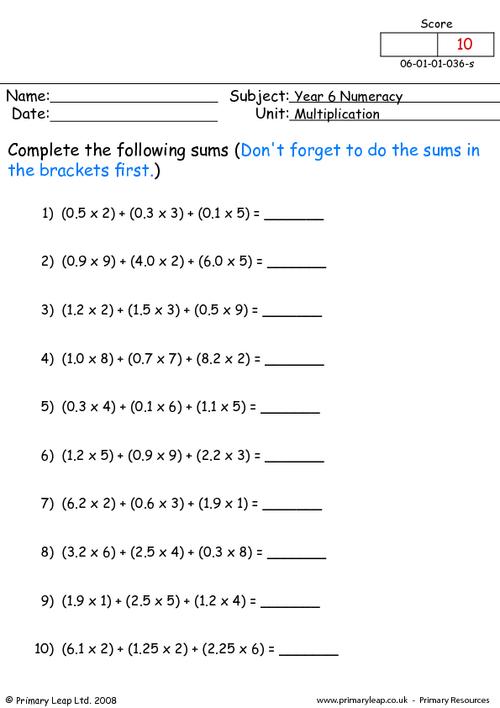
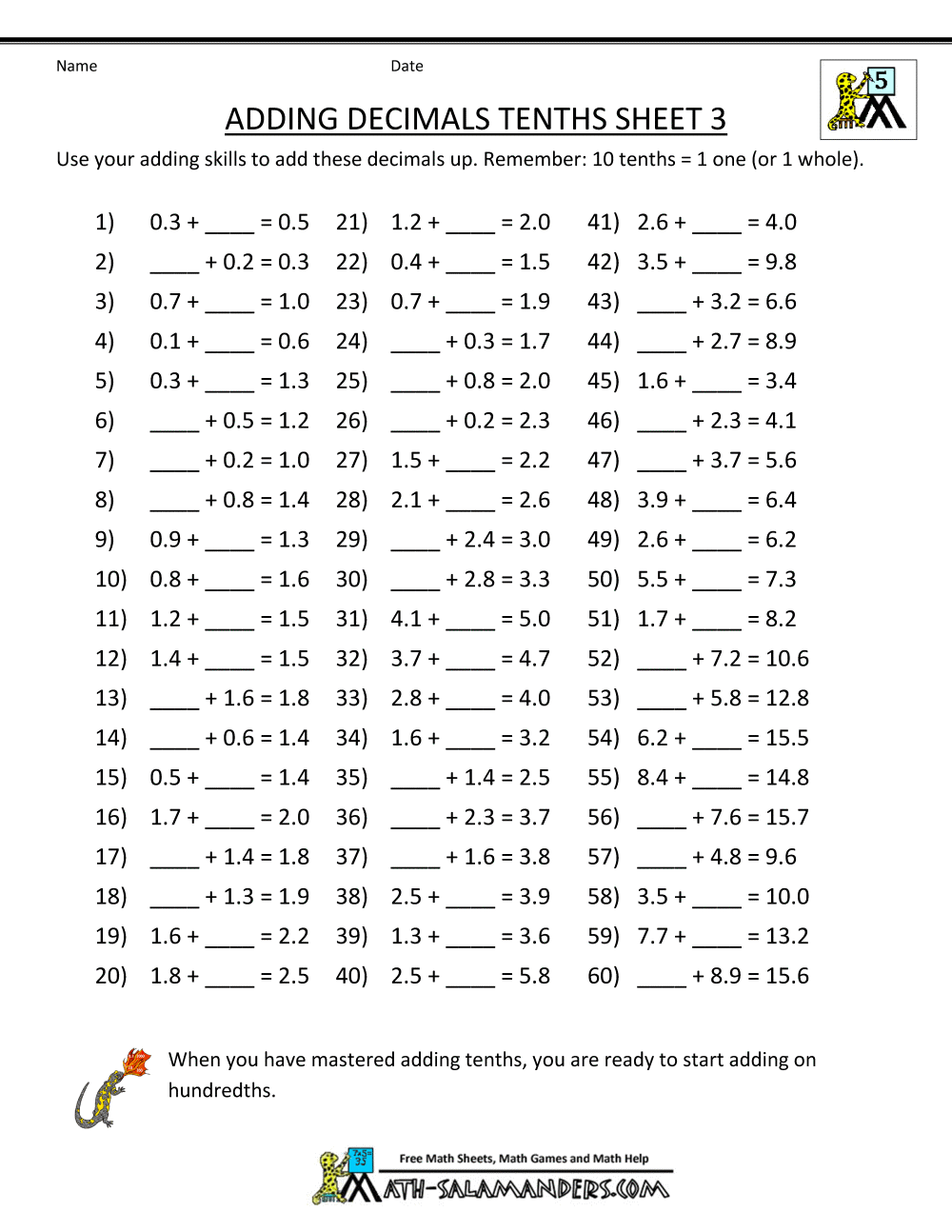
Introduction and Importance of Adding Three Two-Digit Numbers
Developing proficiency in multi-digit addition forms a cornerstone of mathematical understanding. This skill is foundational for more advanced arithmetic, algebra, and numerous real-world applications. The ability to efficiently and accurately sum three two-digit numbers enhances numerical fluency and problem-solving capabilities. At home, mastering this skill allows individuals to manage personal finances, estimate costs, and calculate quantities in everyday situations. Within the school environment, this competency is essential for succeeding in higher-level mathematics courses and standardized tests. For those engaged in self-study, focusing on these calculations builds confidence and provides a solid base for exploring more complex mathematical concepts. A strong grasp of these arithmetic operations enables students to approach mathematical challenges with greater ease and assurance, fostering a positive attitude towards quantitative reasoning.
💡 Educational Key Takeaways:
- Core Skill: Structured Adding 3 Two Digit Numbers focused on developing pencil grip, stroke control, and early literacy/math confidence.
- Target Scope: Suited for homeschoolers, preschool, kindergarten, and elementary learners.
- Best Recommendation: Practice 10–15 minutes daily with ergonomic writing tools to reinforce muscle memory without hand fatigue.
Structure and How It Works
The design of effective educational worksheets for this topic typically incorporates several key elements to facilitate learning. Core Exercises: These sections usually present a series of addition problems where learners must sum three two-digit numbers. Problems may be arranged vertically or horizontally to provide varied practice. The layout often features clear spacing to prevent visual confusion and encourage neat calculation. Interactive Elements: Some worksheets include visual aids such as number lines or base-ten blocks to support understanding of place value and addition strategies. Additional features may include fill-in-the-blank sections that prompt learners to break down the numbers into tens and ones before adding them together. Progress tracking mechanisms, such as checklists or scoring sections, can also be implemented to help monitor advancement and identify areas that require more focus. These worksheets aim to create a comprehensive and interactive learning experience for the user. The strategic integration of these elements fosters a deeper understanding of the concepts and enhances overall proficiency.
Tips and Complementary Resources
To maximize the effectiveness of learning resources, consider several practical tips. Daily Practice Tips: Consistent, short practice sessions are generally more beneficial than infrequent, long sessions. Encourage learners to check their work using different methods, such as estimating the sum before calculating or using a calculator for verification. Breaking down complex problems into smaller, more manageable steps can make the process less daunting. Pairing with Other Resources: Supplementing worksheets with manipulatives, such as counters or base-ten blocks, can provide a hands-on learning experience. Online resources, including educational videos and interactive games, can offer alternative perspectives and engaging practice opportunities. Collaboration with peers or instructors can also enhance understanding and provide valuable feedback. By incorporating these strategies, learners can develop a robust understanding of the material and build confidence in their mathematical abilities.
Conclusion
The capacity to perform multi-digit addition is an indispensable skill, yielding significant benefits in academic, professional, and personal domains. Proficiency in this area enhances mathematical fluency, boosts problem-solving capabilities, and fosters confidence in numerical reasoning. By engaging with well-structured learning materials and employing effective practice strategies, individuals can develop a solid grasp of these concepts. The advantages extend beyond the classroom, enabling more effective management of personal finances, improved performance in quantitative tasks, and a greater overall appreciation for mathematics. The application of these skills empowers learners to approach mathematical challenges with greater ease and assurance, leading to a more positive and successful educational experience. Individuals are encouraged to immediately utilize these resources to unlock their mathematical potential and reap the numerous rewards of enhanced numerical literacy. Related materials may include resources focused on subtraction, multiplication, and division, further solidifying a well-rounded understanding of fundamental arithmetic.
Developmental Milestone & Activity Table
| Development Stage | Recommended Daily Duration | Primary Learning Objective |
|---|---|---|
| Preschool & Pre-K | 10 – 15 Minutes | Pencil grip development & basic pre-stroke lines |
| Kindergarten | 15 – 20 Minutes | Letter/number formation & spatial line awareness |
| Early Elementary (Grade 1–2) | 20 – 30 Minutes | Fluency, sentence construction & neatness |
Images References


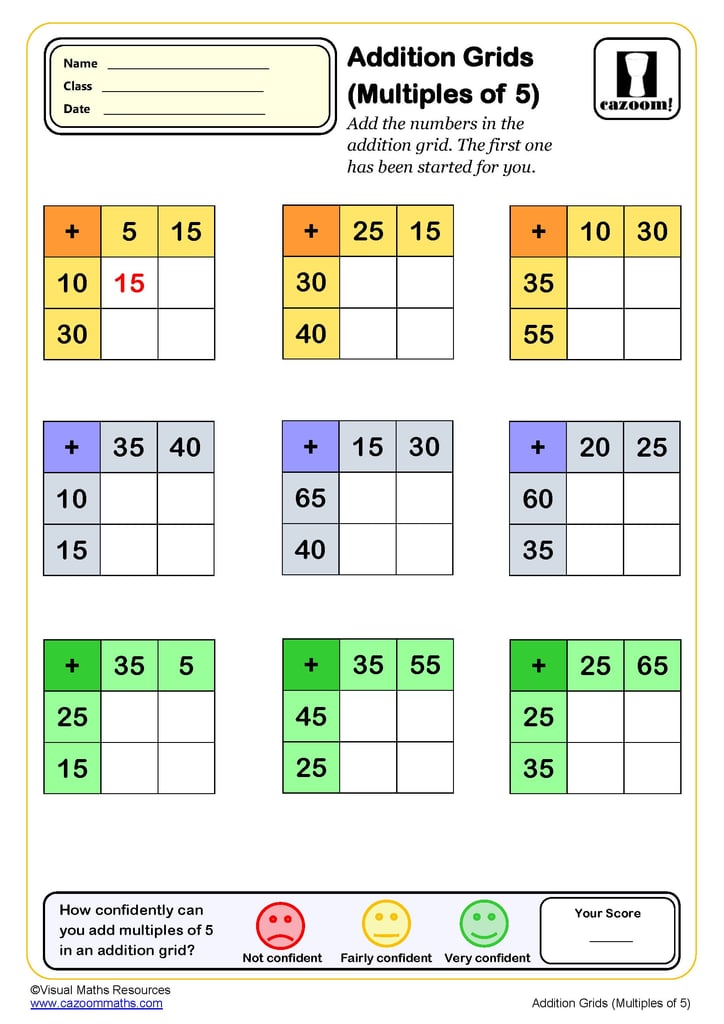


Discover more printable learning activities by visiting our full Fun and Seasonal Math Worksheets archive for teachers, homeschoolers, and parents.