Introduction and Importance of subtraction activities year 2
Developing proficiency in subtraction is a crucial milestone in a child’s mathematical journey, particularly during the second year of formal schooling. Mastery of this fundamental operation lays the groundwork for more complex mathematical concepts encountered in subsequent grades. Engaging with subtraction exercises at this stage fosters critical thinking, problem-solving abilities, and numerical fluency. These exercises are not merely about finding the correct answer; they are about understanding the relationship between numbers, recognizing patterns, and developing strategies for accurate calculation. Early exposure to well-designed subtraction practice enhances a child’s overall mathematical confidence and sets them on a path toward lifelong numerical literacy. The ability to confidently subtract empowers children to tackle real-world problems, from managing their pocket money to understanding measurements in everyday situations. It is an essential skill that supports academic success and prepares them for future challenges. A strong foundation in subtraction offers a significant advantage in a wide range of disciplines and practical applications.
💡 Educational Key Takeaways:
- Core Skill: Structured Subtraction Activities Year 2 focused on developing pencil grip, stroke control, and early literacy/math confidence.
- Target Scope: Suited for homeschoolers, preschool, kindergarten, and elementary learners.
- Best Recommendation: Practice 10–15 minutes daily with ergonomic writing tools to reinforce muscle memory without hand fatigue.
Structure and How It Works
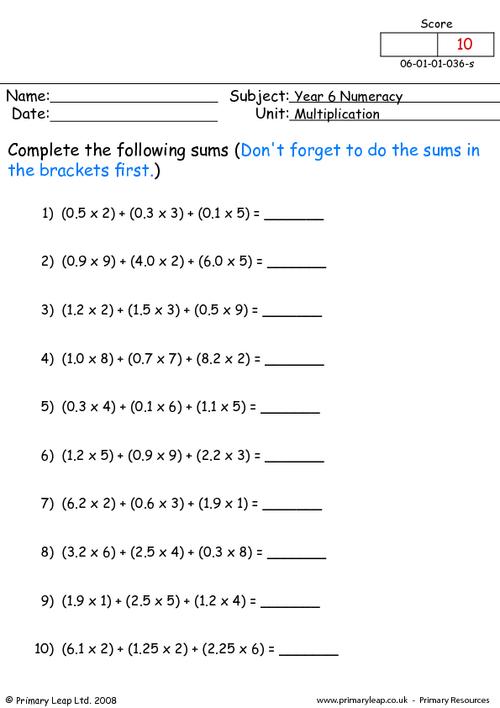
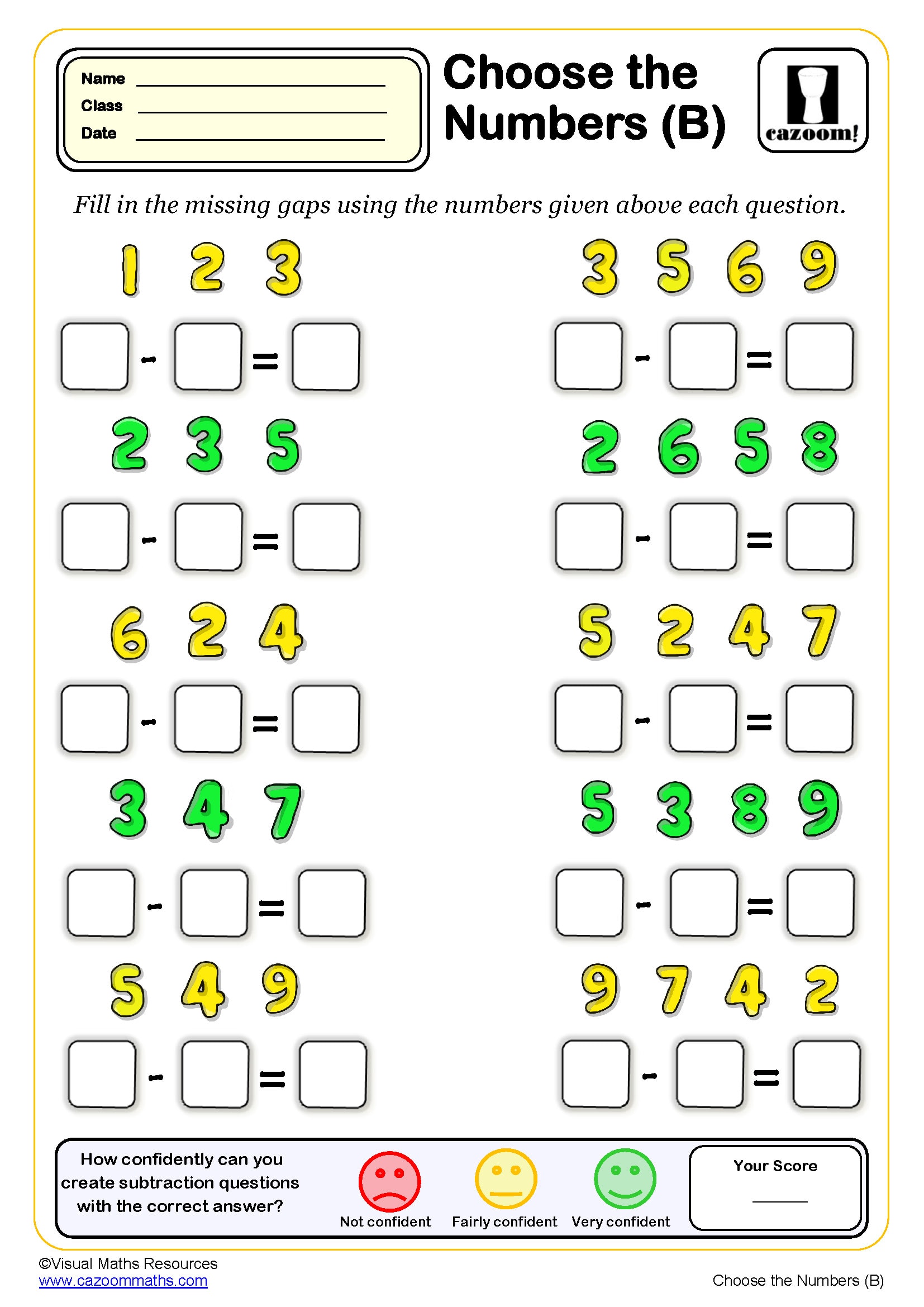
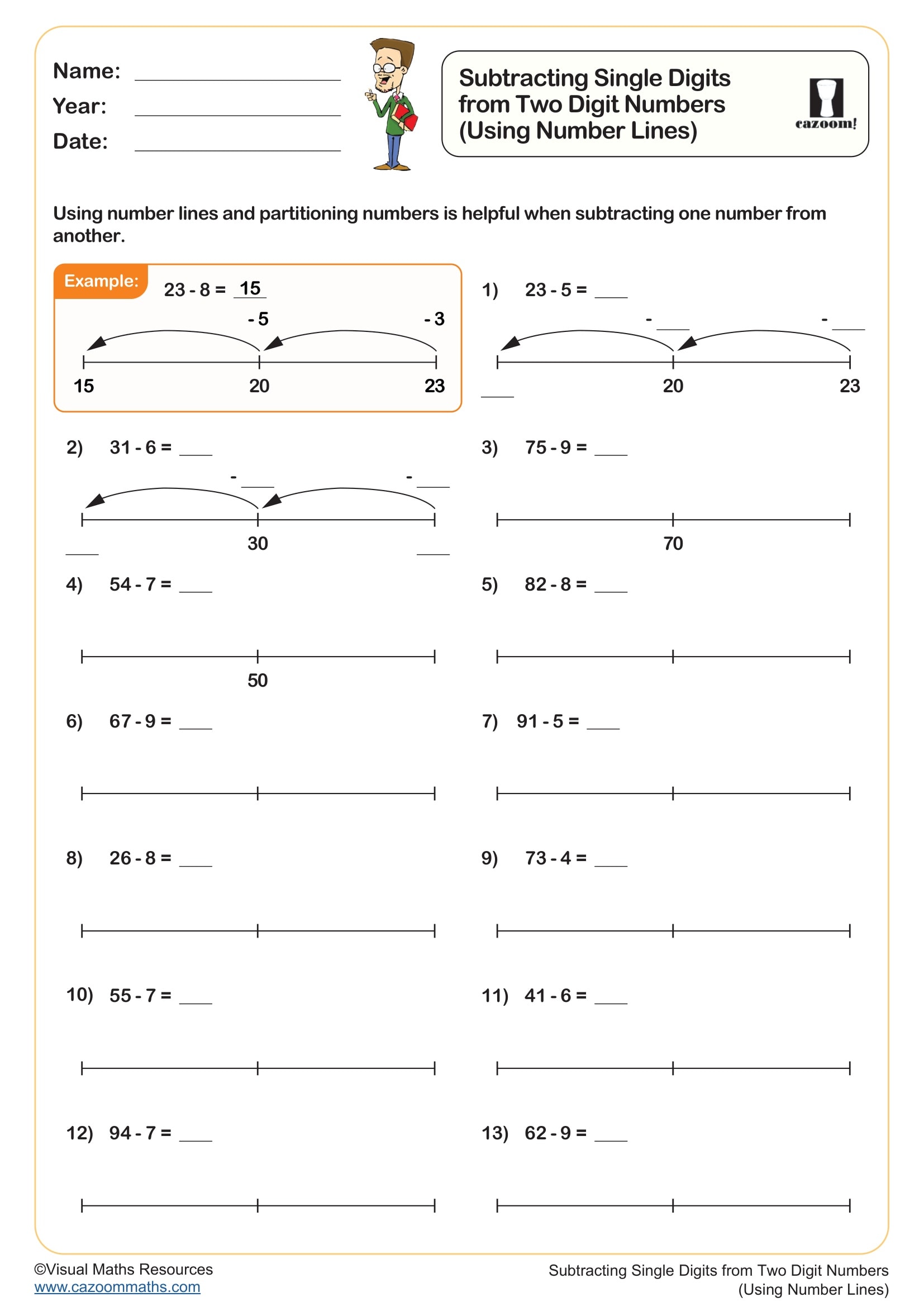
The worksheet is typically structured to provide a progressive learning experience, starting with simpler problems and gradually increasing in complexity. It often incorporates various visual aids and manipulatives to enhance understanding. Core Exercises: These usually involve basic subtraction facts within 20, focusing on memorization and recall. Number lines and counters are frequently used to support visual learners. The worksheet might also include exercises that require regrouping (borrowing), which is a more advanced concept. Interactive Elements: Many worksheets incorporate visual representations such as pictures or diagrams to make the problems more engaging. Word problems are also a common feature, challenging students to apply their subtraction skills in a real-world context. These elements encourage critical thinking and problem-solving. Furthermore, some worksheets may include game-like activities or puzzles that make learning subtraction more enjoyable. Colourful layouts and age-appropriate themes can also help to maintain student engagement. These activities often come with solutions, which allow children to work independently and check their own progress. Regular use of such a worksheet reinforces mathematical knowledge and improves problem-solving abilities in a fun and effective manner.
Tips and Complementary Resources
To maximize the benefits of the subtraction practice, a consistent and strategic approach is recommended. Daily Practice Tips: Short, focused practice sessions are more effective than infrequent, lengthy ones. Encourage children to work through a few problems each day to reinforce their understanding and build fluency. It’s helpful to create a quiet and distraction-free environment for focused learning. Pairing with Other Resources: Supplement the worksheet with other learning materials such as manipulatives (e.g., blocks, beads), online games, or interactive apps. These resources can provide a multi-sensory learning experience and cater to different learning styles. Consider using real-world scenarios to illustrate subtraction concepts, such as deducting items from a grocery list or calculating change. This helps children to see the practical relevance of subtraction in their daily lives. Parent or teacher involvement is crucial. Regular monitoring of progress and provision of constructive feedback are essential for maintaining motivation and addressing any learning gaps. Celebrate successes and encourage a growth mindset, emphasizing that mistakes are opportunities for learning.
Conclusion
Consistent engagement with structured subtraction activities provides significant benefits to young learners. It not only reinforces essential mathematical skills but also cultivates critical thinking and problem-solving abilities. The structured layout, featuring core exercises and interactive elements, is designed to progressively build proficiency and ensure that foundational concepts are thoroughly grasped. When coupled with practical application through word problems and real-world scenarios, the learning experience becomes more meaningful and memorable. Supplementing these subtraction exercises with tangible resources, like blocks or online games, fosters a more comprehensive and engaging educational journey. Furthermore, parental or educator support can further enhance the positive impact of these activities. By encouraging daily practice, constructive feedback, and a growth-oriented mindset, children are empowered to overcome challenges and embrace the journey toward mathematical proficiency. Resources such as online learning platforms and educational board games can be utilized to further enrich the child’s understanding of numerical concepts.
Developmental Milestone & Activity Table
| Development Stage | Recommended Daily Duration | Primary Learning Objective |
|---|---|---|
| Preschool & Pre-K | 10 – 15 Minutes | Pencil grip development & basic pre-stroke lines |
| Kindergarten | 15 – 20 Minutes | Letter/number formation & spatial line awareness |
| Early Elementary (Grade 1–2) | 20 – 30 Minutes | Fluency, sentence construction & neatness |
Images References



Discover more printable learning activities by visiting our full Fun and Seasonal Math Worksheets archive for teachers, homeschoolers, and parents.