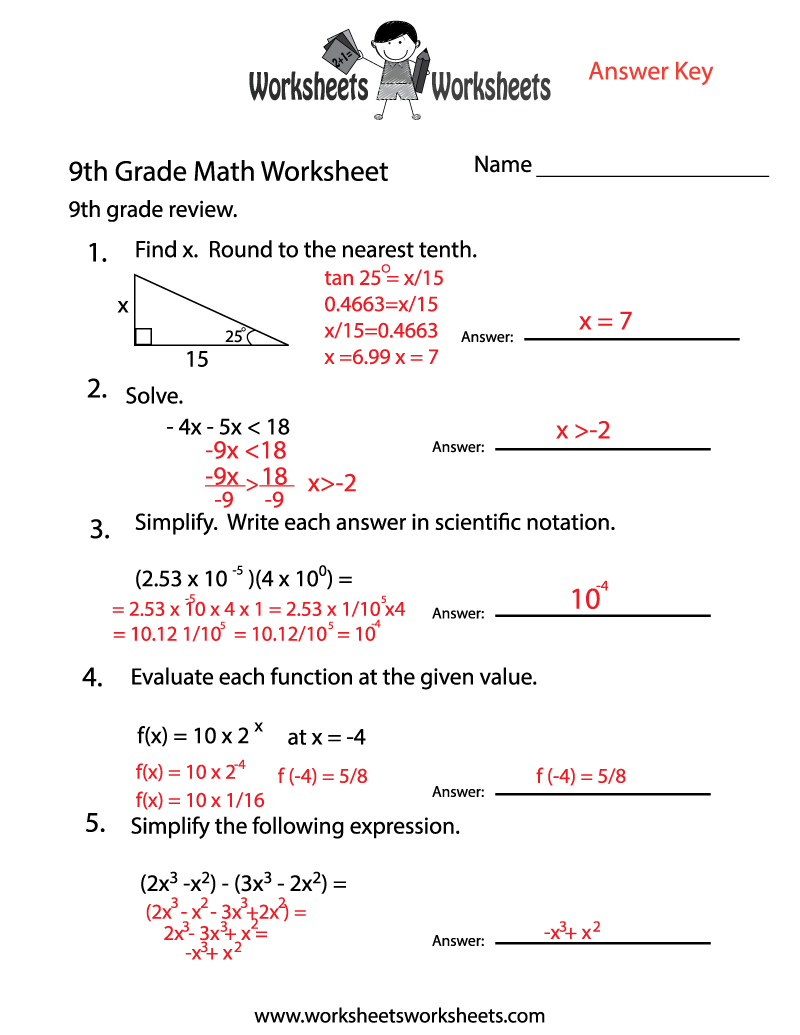
Building a robust foundation in mathematics is an essential step in any educational journey, and accessing effective practice materials is crucial for this development. Foundational mathematics worksheets serve as an invaluable resource, providing structured exercises designed to solidify understanding of core arithmetic principles. Such practice tools are instrumental in demystifying early mathematical concepts, allowing learners to approach more complex topics with confidence and a clear grasp of the fundamentals. Explore more in our Math Worksheets collection.
💡 Educational Key Takeaways:
- Core Skill: Structured Basic Math Pdf focused on developing pencil grip, stroke control, and early literacy/math confidence.
- Target Scope: Suited for homeschoolers, preschool, kindergarten, and elementary learners.
- Best Recommendation: Practice 10–15 minutes daily with ergonomic writing tools to reinforce muscle memory without hand fatigue.
Engaging with structured mathematics exercises offers numerous advantages. These resources facilitate the development of essential computational skills, enhancing proficiency in operations such as addition, subtraction, multiplication, and division. Beyond mere calculation, they foster critical thinking, problem-solving abilities, and logical reasoning, which are transferable skills vital across various disciplines. Consistent interaction with well-designed practice sheets builds confidence, reduces mathematical anxiety, and prepares individuals for academic success by reinforcing learned concepts and identifying areas requiring further attention. For more related activities, check out our Second Grade Math Worksheet.
Typically, these foundational mathematics practice sheets feature a clear and progressive structure. Content often begins with number recognition and counting, advancing to place value, comparisons, and the four basic arithmetic operations. Sections may include straightforward calculation problems, word problems that encourage the application of concepts to real-world scenarios, and exercises involving basic geometric shapes or data interpretation. The arrangement ensures a gradual increase in complexity, allowing learners to master one concept before moving to the next. Discover more free resources across our collection library.
To maximize the learning potential of these practice materials, a systematic approach is recommended. Begin by ensuring a quiet and distraction-free environment conducive to concentration. Start with exercises covering concepts already familiar to build momentum and confidence. Work through each problem diligently, showing all steps where appropriate. After completing a section, carefully review answers and, more importantly, understand any incorrect solutions. Regular, consistent practice over time yields far greater results than infrequent, lengthy sessions. Self-pacing is key, allowing the learner to proceed at a comfortable rate.
Further enhancing the learning experience can be achieved through several supplementary strategies. Consider utilizing physical manipulatives, such as blocks or counters, to visualize abstract mathematical concepts. Should any concept remain unclear, seeking clarification from an instructor or peer is highly beneficial. Exploring related online tutorials or interactive games can provide alternative explanations and engaging practice opportunities. Once mastery of current topics is evident, gradually introduce slightly more challenging exercises to continually expand mathematical capabilities and prevent stagnation.
The availability of high-quality, printable mathematics exercises provides an exceptional avenue for strengthening foundational skills. Consistent engagement with such materials is a powerful strategy for developing mathematical fluency and fostering a positive attitude towards learning. It is highly encouraged to explore and download a variety of these accessible resources, thereby embarking on a self-paced journey to master core mathematical principles and unlock greater academic potential.
Developmental Milestone & Activity Table
| Development Stage | Recommended Daily Duration | Primary Learning Objective |
|---|---|---|
| Preschool & Pre-K | 10 – 15 Minutes | Pencil grip development & basic pre-stroke lines |
| Kindergarten | 15 – 20 Minutes | Letter/number formation & spatial line awareness |
| Early Elementary (Grade 1–2) | 20 – 30 Minutes | Fluency, sentence construction & neatness |