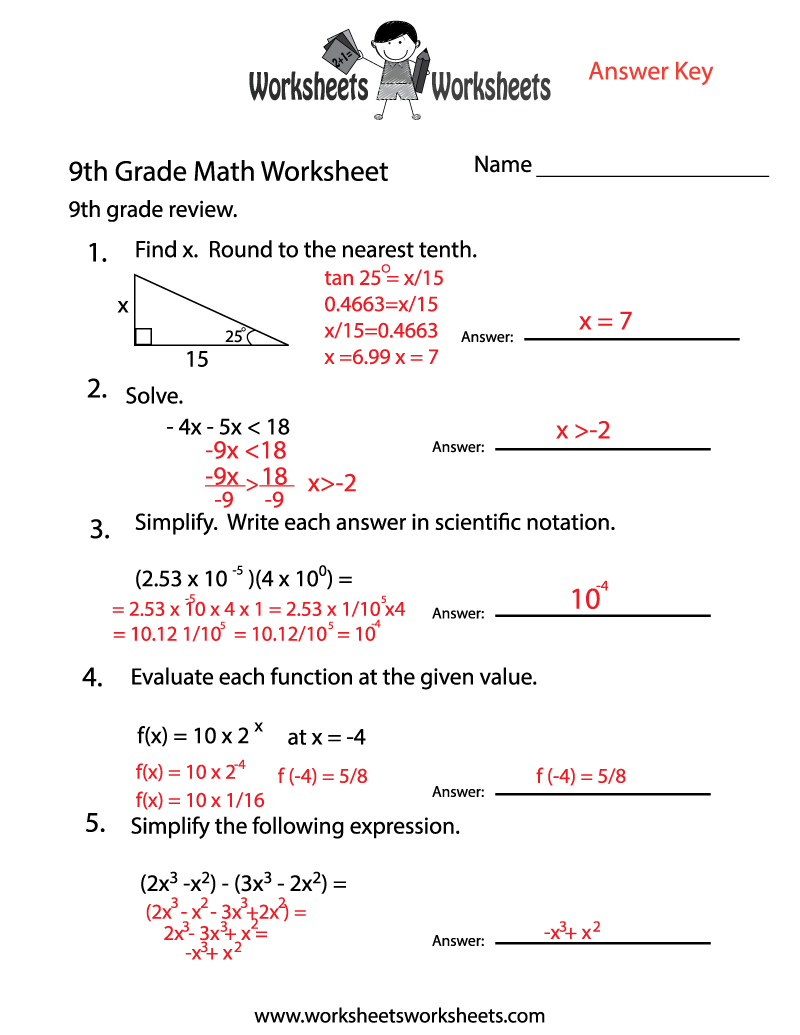
Understanding mathematical relationships is fundamental to grasping more complex concepts across various academic disciplines and real-world scenarios. The learning materials focused on ratios and proportionality serve as an invaluable resource in developing this crucial understanding. These practice sheets are meticulously designed to reinforce the principles of equivalence between two ratios, a core concept that underpins much of algebra, geometry, and even physics. By engaging with these structured exercises, learners can build a solid foundation, enabling them to confidently approach problems involving scaling, comparisons, and predictive analysis. Explore more in our Math Worksheets collection.
💡 Educational Key Takeaways:
- Core Skill: Structured Proportion Math Worksheets focused on developing pencil grip, stroke control, and early literacy/math confidence.
- Target Scope: Suited for homeschoolers, preschool, kindergarten, and elementary learners.
- Best Recommendation: Practice 10–15 minutes daily with ergonomic writing tools to reinforce muscle memory without hand fatigue.
Utilizing these educational tools offers a multitude of benefits for skill development. Learners can significantly enhance their critical thinking abilities as they analyze given quantities and determine the missing components of a relationship. Problem-solving skills are honed through a diverse range of questions, from simple ratio comparisons to more complex word problems that require practical application. Furthermore, consistent engagement with these exercises fosters a deeper conceptual understanding of how quantities relate to each other, supporting logical reasoning and preparing individuals for higher-level mathematics. The structured nature of these pages also encourages systematic work and careful calculation, vital skills in any quantitative field. For more related activities, check out our Math Problems For 3rd Graders Printable.
Typically, these instructional pages are structured to guide learners through different aspects of proportional reasoning. Content often begins with basic definitions and examples of ratios and equivalent fractions, gradually progressing to finding unknown values in a proportion using cross-multiplication. Common activities include identifying proportional relationships in tables, solving for variables in algebraic proportions, and tackling word problems that translate real-life situations into mathematical models. Some versions may also include graphical representations of proportional relationships, helping to visualize the linear nature of these connections. The exercises are often arranged in increasing difficulty, allowing for gradual mastery of the subject matter. Discover more free resources across our collection library.
To maximize the effectiveness of these practice pages, a systematic approach is recommended. Begin by reviewing the fundamental concepts of ratios, rates, and equivalent fractions before attempting the problems. Work through each problem step-by-step, showing all calculations and reasoning; this practice not only helps in identifying errors but also solidifies the understanding of the process. Utilize scratch paper if necessary and do not hesitate to re-read problem statements multiple times to ensure full comprehension. After completing a set of problems, carefully check all answers against the provided solutions, analyzing any incorrect responses to understand where misunderstandings occurred. Persistence and attention to detail are key to achieving proficiency.
Further enhancing the learning experience can be achieved through several additional strategies. Consider exploring how these mathematical principles apply to everyday situations, such as scaling recipes, calculating exchange rates, or determining speeds. Collaboration with peers can also be beneficial, allowing for the discussion of problem-solving strategies and different perspectives. For those seeking to deepen their understanding, exploring related topics such as fractions, percentages, and unit rates can provide valuable context and reinforce the interconnectedness of mathematical concepts. Numerous supplementary online resources and video tutorials are also available to complement these learning aids.
In summary, the exercises exploring proportional relationships are an indispensable asset for anyone looking to strengthen their mathematical foundation. They provide a structured pathway to developing crucial analytical and problem-solving skills, empowering learners to confidently navigate quantitative challenges. By engaging with these comprehensive educational tools, individuals can unlock a deeper appreciation for the logic and utility of mathematics. Continued practice and exploration of similar educational content will undoubtedly lead to greater academic success and real-world applicability.
Developmental Milestone & Activity Table
| Development Stage | Recommended Daily Duration | Primary Learning Objective |
|---|---|---|
| Preschool & Pre-K | 10 – 15 Minutes | Pencil grip development & basic pre-stroke lines |
| Kindergarten | 15 – 20 Minutes | Letter/number formation & spatial line awareness |
| Early Elementary (Grade 1–2) | 20 – 30 Minutes | Fluency, sentence construction & neatness |