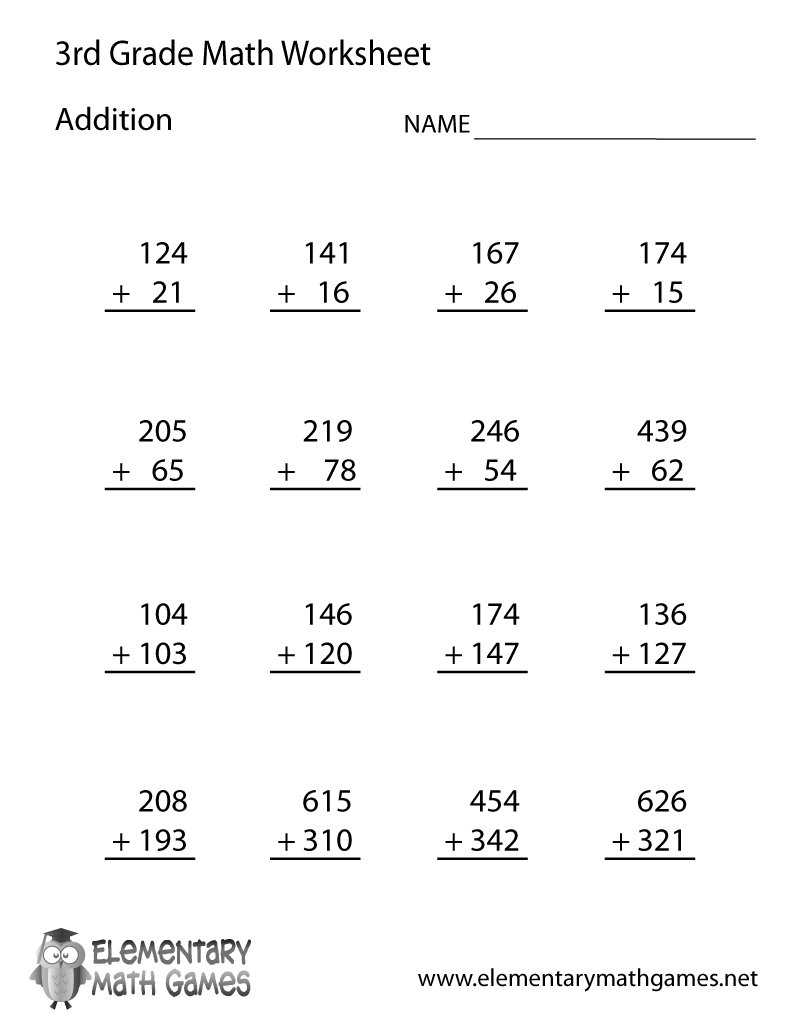
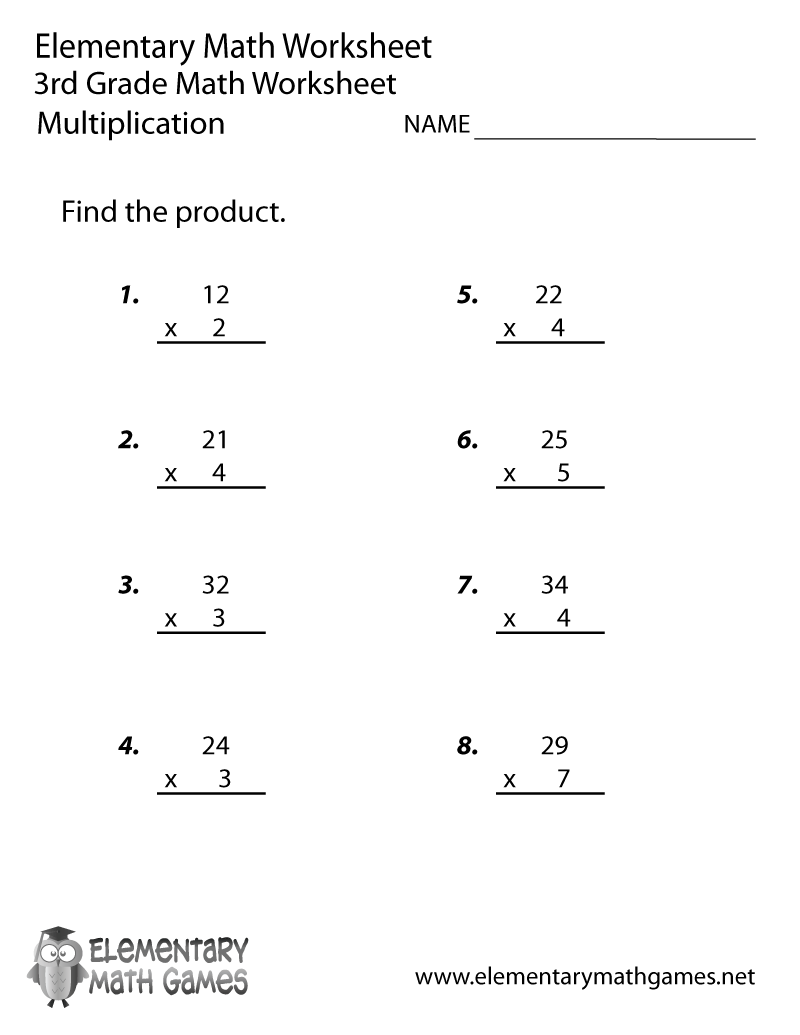
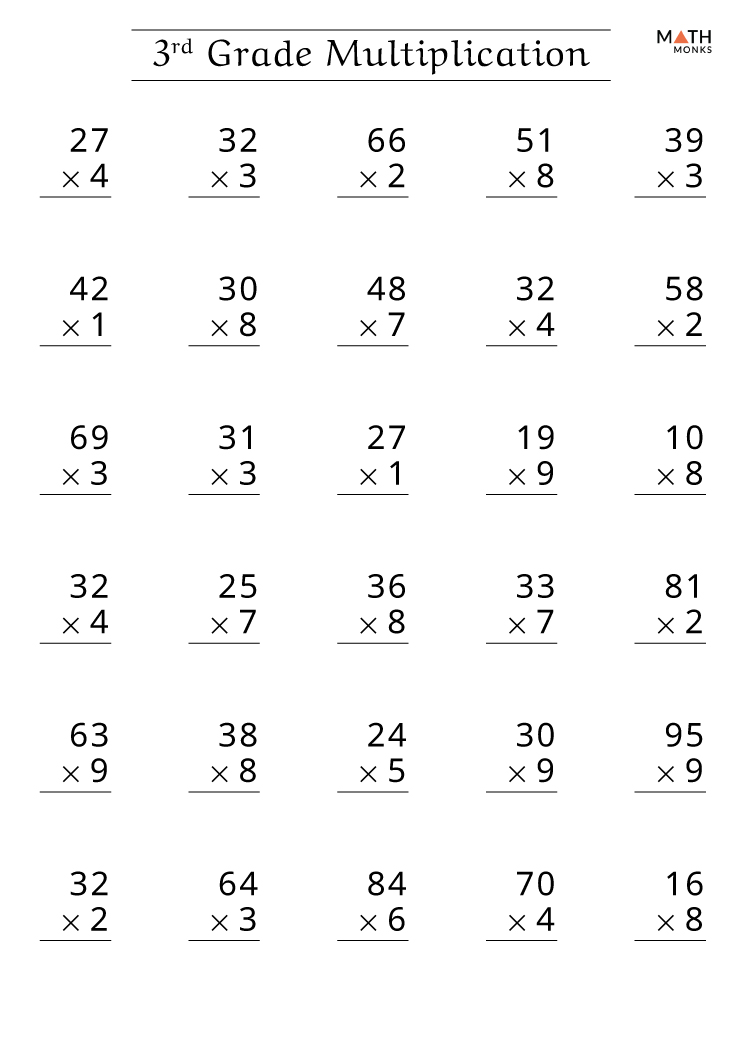
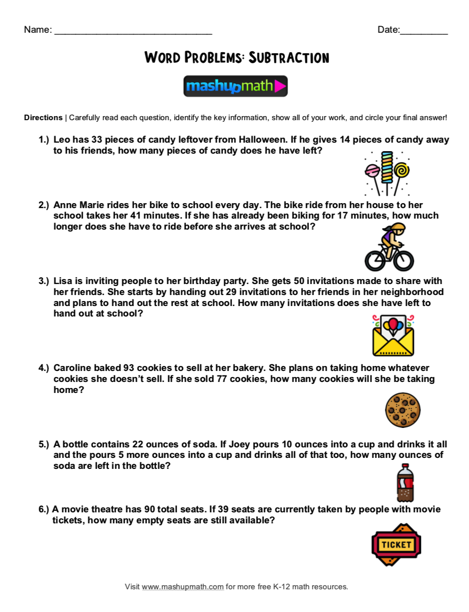
Structured practice is fundamental for solidifying mathematical understanding in third-grade students. As learners transition from concrete concepts to more abstract reasoning, consistent engagement with targeted exercises becomes invaluable. These educational resources provide a crucial tool for reinforcing classroom learning, bridging knowledge gaps, and building a strong foundation in essential mathematical skills, ensuring students develop confidence and proficiency necessary for future academic success. Explore more in our Math Worksheets collection.
💡 Educational Key Takeaways:
- Core Skill: Structured Math Problems For 3rd Graders Printable focused on developing pencil grip, stroke control, and early literacy/math confidence.
- Target Scope: Suited for homeschoolers, preschool, kindergarten, and elementary learners.
- Best Recommendation: Practice 10–15 minutes daily with ergonomic writing tools to reinforce muscle memory without hand fatigue.
The utilization of these focused activity sheets offers several significant advantages for young learners. They serve to reinforce core arithmetic operations such as addition, subtraction, multiplication, and division, often introducing concepts like fractions and basic geometry. Regular practice fosters the development of critical thinking and problem-solving abilities as students encounter varied question formats. Furthermore, successful completion of these exercises builds self-assurance, empowering students to approach more complex mathematical challenges with a positive mindset. The accessibility of such readily available materials also allows for flexible learning schedules, supporting both in-class activities and at-home review. For more related activities, check out our Mathematics Worksheet For Preschool.
Typically, these learning materials for third-grade mathematics are designed to cover a range of topics pertinent to the curriculum. They often feature a variety of question types, including straightforward calculation tasks, engaging word problems that require practical application of concepts, fill-in-the-blank activities, and matching exercises. The content is usually structured to progress in difficulty, allowing students to build competence incrementally. Clear instructions and a visually appealing layout are common features, designed to minimize confusion and maintain student engagement throughout the practice session. Discover more free resources across our collection library.
To maximize the educational impact of these practice exercises, a systematic approach is recommended. First, ensure a quiet and distraction-free environment, equipped with necessary supplies such as a pencil and eraser. Before attempting any problem, carefully read all instructions to fully comprehend the task. Encourage independent effort initially, allowing students to tackle questions using their current understanding. Once the exercises are completed, reviewing the answers is crucial; this step helps in identifying any errors and understanding the correct solution paths. Emphasize that mistakes are valuable learning opportunities, not setbacks. Consistent, short practice sessions, rather than infrequent long ones, generally yield better results, promoting retention and preventing burnout. Always acknowledge effort and progress, fostering a supportive learning atmosphere.
Beyond the direct engagement with these activity pages, several complementary strategies can enhance mathematical proficiency. Connecting mathematical concepts to real-world scenarios helps students see the practical relevance of what they are learning. Incorporating manipulatives, such as counting blocks or fraction tiles, can provide a tactile understanding of abstract ideas. Engaging in educational math games can also make learning enjoyable and reinforce skills in a fun, interactive way. Discussing various problem-solving strategies encourages deeper analytical thinking. Exploring related educational content, such as flashcards for memorization or online interactive exercises, can further diversify learning experiences and provide additional reinforcement.
Engaging with these carefully designed mathematical practice sheets provides a vital pathway for third-grade students to strengthen their foundational skills, boost confidence, and develop crucial problem-solving abilities. Consistent and thoughtful use of such resources significantly contributes to a student’s overall academic growth and positive attitude towards mathematics. Exploring and incorporating these valuable learning tools into regular study routines is highly encouraged to support comprehensive mathematical development.
Developmental Milestone & Activity Table
| Development Stage | Recommended Daily Duration | Primary Learning Objective |
|---|---|---|
| Preschool & Pre-K | 10 – 15 Minutes | Pencil grip development & basic pre-stroke lines |
| Kindergarten | 15 – 20 Minutes | Letter/number formation & spatial line awareness |
| Early Elementary (Grade 1–2) | 20 – 30 Minutes | Fluency, sentence construction & neatness |
Images References