Introduction and Importance of Color-by-Number Addition
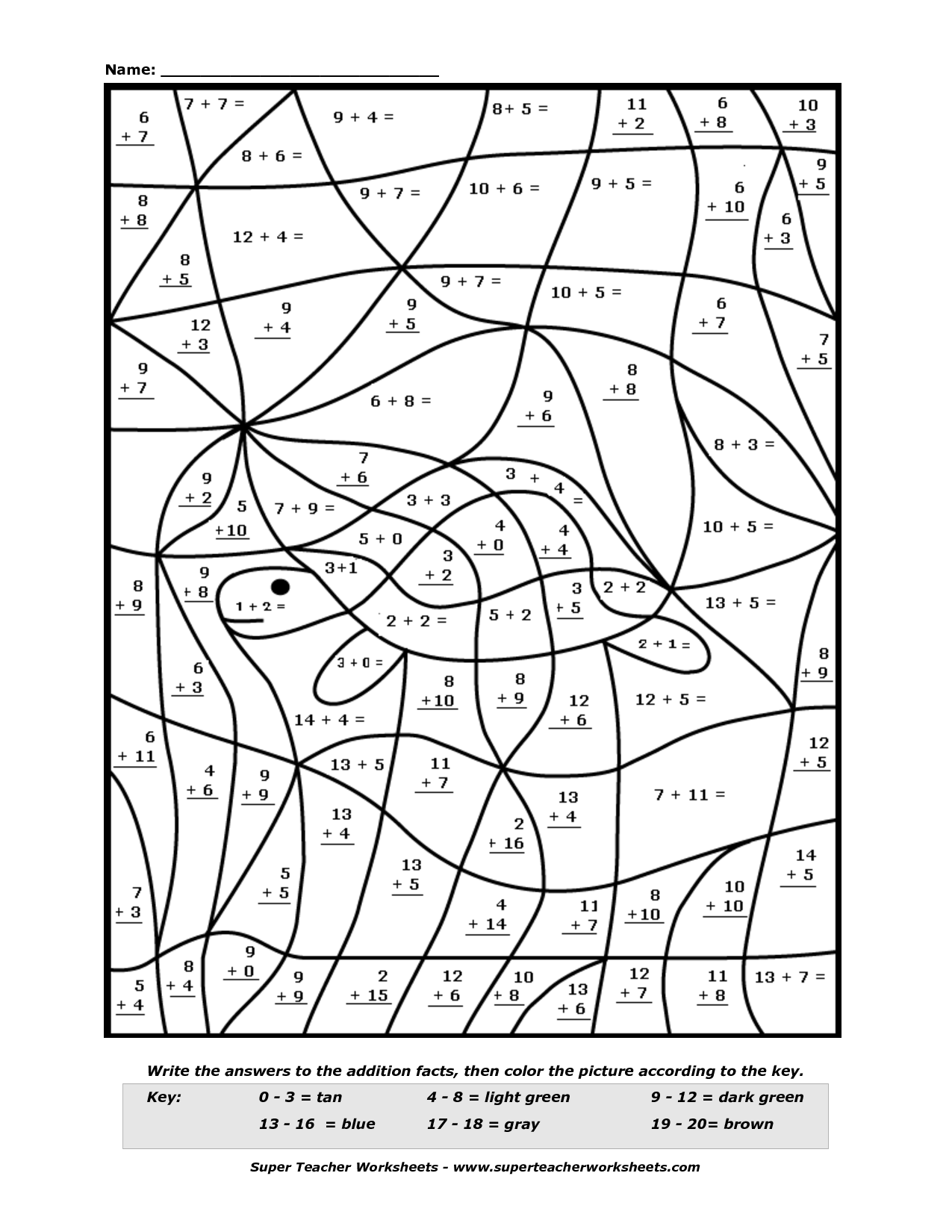
The color-by-number addition worksheet offers a unique approach to mastering basic arithmetic. This resource integrates art and mathematics, transforming rote learning into an engaging and visually stimulating activity. It is a valuable tool for solidifying foundational math skills, particularly for learners who benefit from kinesthetic and visual learning styles. The worksheet can be used effectively in various educational settings, including homes, classrooms, and self-study environments. By associating numerical problems with specific colors, it helps reinforce number recognition and calculation abilities. The element of coloring adds an enjoyable dimension, sustaining motivation and interest. Moreover, it allows learners to practice addition in a relaxed and creative manner, minimizing anxiety often associated with mathematics. Successfully completing the coloring activity provides a tangible sense of accomplishment, boosting confidence and encouraging further exploration of mathematical concepts. This blended approach nurtures a positive attitude towards learning, making the worksheet an indispensable asset for early math education.
💡 Activity Key Takeaways:
- Core Focus: Printable Coloringsquared Com Addition designed for creative expression and fine-motor coordination.
- Target Scope: Ideal for toddlers, preschool, kindergarten, and classroom art activities.
- Best Recommendation: Use standard heavy printer paper (24–28 lb) or cardstock for vibrant results with crayons, colored pencils, or washable markers.
Structure and How It Works
The worksheet is typically organized around a grid-based image, where each section of the image is assigned a numerical value derived from an addition problem. Core Exercises: Users are presented with a series of addition problems, ranging in complexity depending on the target skill level. Upon solving each problem, learners identify the corresponding number on the grid and color the respective section with the designated color. The worksheet may incorporate a variety of problem formats, including horizontal and vertical arrangements, to reinforce different problem-solving approaches. The level of difficulty can be adjusted by incorporating larger numbers, multiple addends, or simple word problems to enhance cognitive engagement. Interactive Elements: Some versions may include subtle design elements, such as hidden objects or patterns that become visible upon completion of the coloring task. This adds an element of discovery, further enhancing engagement and maintaining interest. Clear instructions are provided to guide the user through the process, ensuring ease of use and promoting independent learning. The worksheets design is typically uncluttered, focusing on the essential components of mathematical problems and color assignments, thus minimizing distractions and optimizing the learning experience.
Tips and Complementary Resources
Effective utilization of the color-by-number addition worksheet hinges on consistent practice and targeted instruction. Daily Practice Tips: Dedicate a specific time each day for working on the worksheet. Short, focused sessions are more effective than sporadic, lengthy ones. Encourage learners to double-check their answers before coloring, reinforcing accuracy and preventing errors. The worksheet can also be adapted to suit individual learning needs by modifying the difficulty of the addition problems or adjusting the color palette. Consider allowing learners to choose their own color schemes to foster creativity and ownership. Pairing with Other Resources: Supplement the worksheet with other educational resources, such as number lines, manipulatives, or online math games, to provide a more comprehensive learning experience. Integrate real-world examples of addition into the learning process, demonstrating the practical application of mathematical concepts. Positive reinforcement and constructive feedback are crucial for motivating learners and fostering a growth mindset. Celebrate successes and encourage perseverance in overcoming challenges. This will help build confidence and cultivate a positive attitude toward mathematics.
Conclusion
The color-by-number addition worksheet provides a powerful, engaging, and effective tool for reinforcing basic addition skills. It successfully blends mathematical practice with artistic expression, transforming a traditionally challenging subject into an enjoyable activity. By engaging visual, kinesthetic, and cognitive learning styles, this type of worksheet caters to a broad range of learners. The structure and accessibility of this resource make it suitable for diverse educational settings, from classrooms to homes. Its ability to foster independent learning and instill a sense of accomplishment makes it a valuable asset in any educational toolkit. Consistent and strategic utilization of these worksheets, coupled with supportive instruction, can help learners develop a strong foundation in addition and cultivate a positive attitude toward mathematics. The principles of blending learning and creative expression can extend to other mathematical topics, paving the way for more holistic and engaging educational experiences. This makes it a worthwhile resource to be incorporated into a learning curriculum.
Key Specifications & Age-Group Overview
| Age / Grade Group | Target Skill Focus | Recommended Medium |
|---|---|---|
| Toddlers (Ages 2–4) | Hand-eye coordination & broad motor grasp | Jumbo crayons & washable finger paints |
| Early Elementary (Ages 5–7) | Line boundaries & fine pencil control | Standard colored pencils & fine-tip markers |
| Intermediate (Ages 8+) | Color blending, shading & artistic patience | Watercolor pencils, gel pens & dual-brush markers |
Images References :
Discover more printable learning activities by visiting our full Shape and Color Worksheets archive for teachers, homeschoolers, and parents.