Introduction and Importance of Math Worksheets for Three-Digit Addition and Subtraction
Developing proficiency in three-digit addition and subtraction is a crucial stepping stone in a student’s mathematical journey. Mastering these operations builds a strong foundation for more complex mathematical concepts encountered later in education. These worksheets provide a structured and engaging method for children to practice and internalize these essential skills, whether they are learning at home, in the classroom, or through self-study. They are designed to reinforce understanding of place value hundreds, tens, and ones and the mechanics of carrying and borrowing, which are fundamental to arithmetic fluency. Regular practice with such materials not only enhances calculation speed and accuracy but also fosters problem-solving abilities and critical thinking. By working through diverse problems presented in worksheet format, learners can build confidence in their mathematical abilities and develop a positive attitude towards the subject. Furthermore, these worksheets can be customized or adapted to suit individual learning needs and pace, making them a versatile tool for educators and parents alike.
💡 Educational Key Takeaways:
- Core Skill: Structured Math Worksheets Three Digit Addition And Subtraction focused on developing pencil grip, stroke control, and early literacy/math confidence.
- Target Scope: Suited for homeschoolers, preschool, kindergarten, and elementary learners.
- Best Recommendation: Practice 10–15 minutes daily with ergonomic writing tools to reinforce muscle memory without hand fatigue.
Structure and How It Works
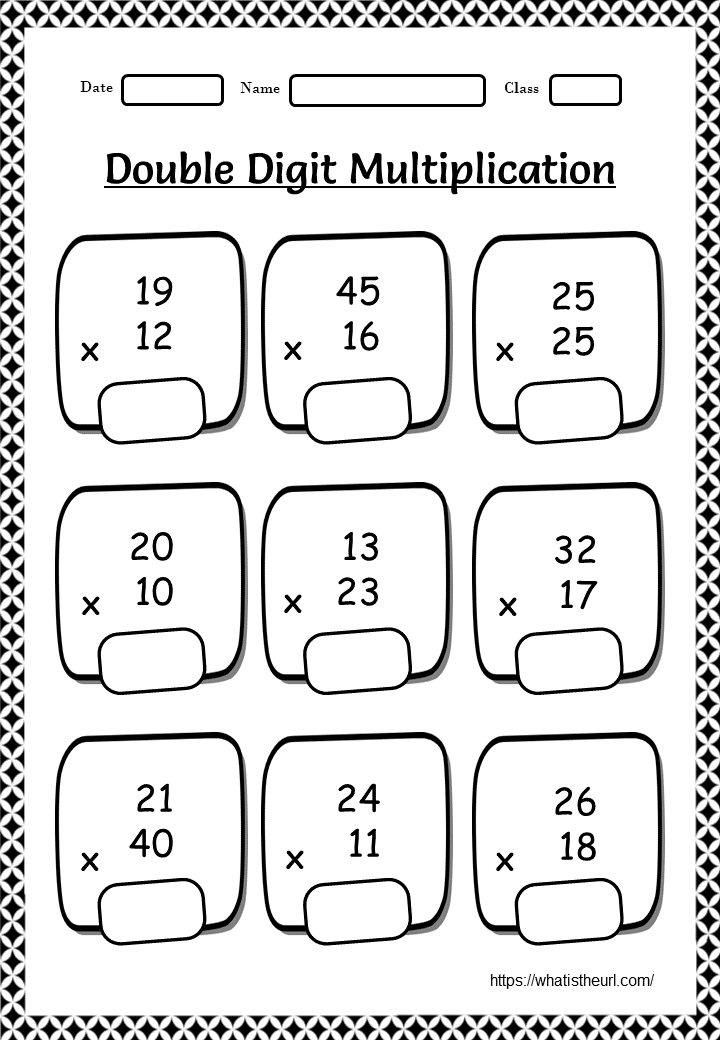
The layout of worksheets designed for three-digit addition and subtraction typically involves a series of problems presented in a clear and organized manner. The problems are usually arranged in columns to reinforce the importance of place value alignment. Core Exercises: The primary component consists of exercises that require the learner to perform addition or subtraction operations on three-digit numbers. These exercises often include variations such as problems with and without carrying/borrowing to provide comprehensive practice. The worksheets also feature problems with missing addends or subtrahends, challenging learners to think critically and apply their understanding of inverse operations. Interactive Elements: Many include visual aids such as number lines or base-ten blocks to help students visualize the operations and understand the underlying concepts. Some may incorporate word problems that require the student to translate real-world scenarios into mathematical equations, enhancing problem-solving skills. Answer keys are typically provided to allow for self-assessment and immediate feedback, promoting independent learning.
Tips and Complementary Resources
Maximizing the effectiveness of these worksheets requires a strategic approach to practice. Daily Practice Tips: Short, focused practice sessions are more beneficial than infrequent, lengthy ones. Encourage learners to work through a few problems each day to reinforce their understanding and maintain their skills. It’s helpful to review previously learned concepts regularly to prevent forgetting. Pairing with Other Resources: Supplement worksheet practice with real-world applications. For instance, involve the learner in calculating grocery bills or measuring ingredients for a recipe. Utilize online resources such as interactive games and tutorials to add variety to the learning experience. Consider using manipulatives like base-ten blocks to provide a hands-on, visual representation of the numbers and operations. Parents and educators should provide constructive feedback, focusing on the process rather than just the answer, to encourage a growth mindset and foster a love of learning.
Conclusion
In conclusion, focused practice opportunities offer a valuable tool for developing and reinforcing essential arithmetic skills. Their structured format, varied problem types, and availability of answer keys make them an effective resource for learners of all levels. By consistently engaging with these materials, students can build a strong foundation in addition and subtraction, leading to greater confidence and success in more advanced mathematical studies. The ability to fluently perform these operations is not only crucial for academic success but also for everyday life skills such as budgeting, shopping, and problem-solving. Educators and parents are encouraged to incorporate regular worksheet practice into their learning routines and supplement it with other engaging resources to create a well-rounded and effective learning experience. Related materials may include online math games, interactive tutorials, and workbooks focused on specific mathematical concepts.
Developmental Milestone & Activity Table
| Development Stage | Recommended Daily Duration | Primary Learning Objective |
|---|---|---|
| Preschool & Pre-K | 10 – 15 Minutes | Pencil grip development & basic pre-stroke lines |
| Kindergarten | 15 – 20 Minutes | Letter/number formation & spatial line awareness |
| Early Elementary (Grade 1–2) | 20 – 30 Minutes | Fluency, sentence construction & neatness |
Images References :
Discover more printable learning activities by visiting our full Fun and Seasonal Math Worksheets archive for teachers, homeschoolers, and parents.