Introduction and Importance of Easter-Themed Mathematical Activities
The incorporation of seasonal themes into educational materials provides a unique opportunity to enhance engagement and motivation in learners of all ages. Easter-themed mathematical activities offer a playful and festive context for practicing fundamental mathematical skills. These resources are valuable tools for reinforcing concepts learned in the classroom, providing supplemental practice at home, or offering engaging activities for self-directed study. By intertwining the excitement of the Easter holiday with the necessity of mathematical practice, educators and parents can create a more enjoyable and effective learning experience. Activities tailored to various skill levels ensure that learners can progress at their own pace, strengthening their understanding of core mathematical principles. These exercises foster a positive attitude towards mathematics, demonstrating that learning can be both challenging and fun. Using holiday themes promotes a deeper connection to the subject matter. Ultimately, these resources contribute significantly to building a solid foundation in mathematics while celebrating a cherished holiday.
💡 Educational Key Takeaways:
- Core Skill: Structured Easter Math Printables focused on developing pencil grip, stroke control, and early literacy/math confidence.
- Target Scope: Suited for homeschoolers, preschool, kindergarten, and elementary learners.
- Best Recommendation: Practice 10–15 minutes daily with ergonomic writing tools to reinforce muscle memory without hand fatigue.
Structure and How It Works
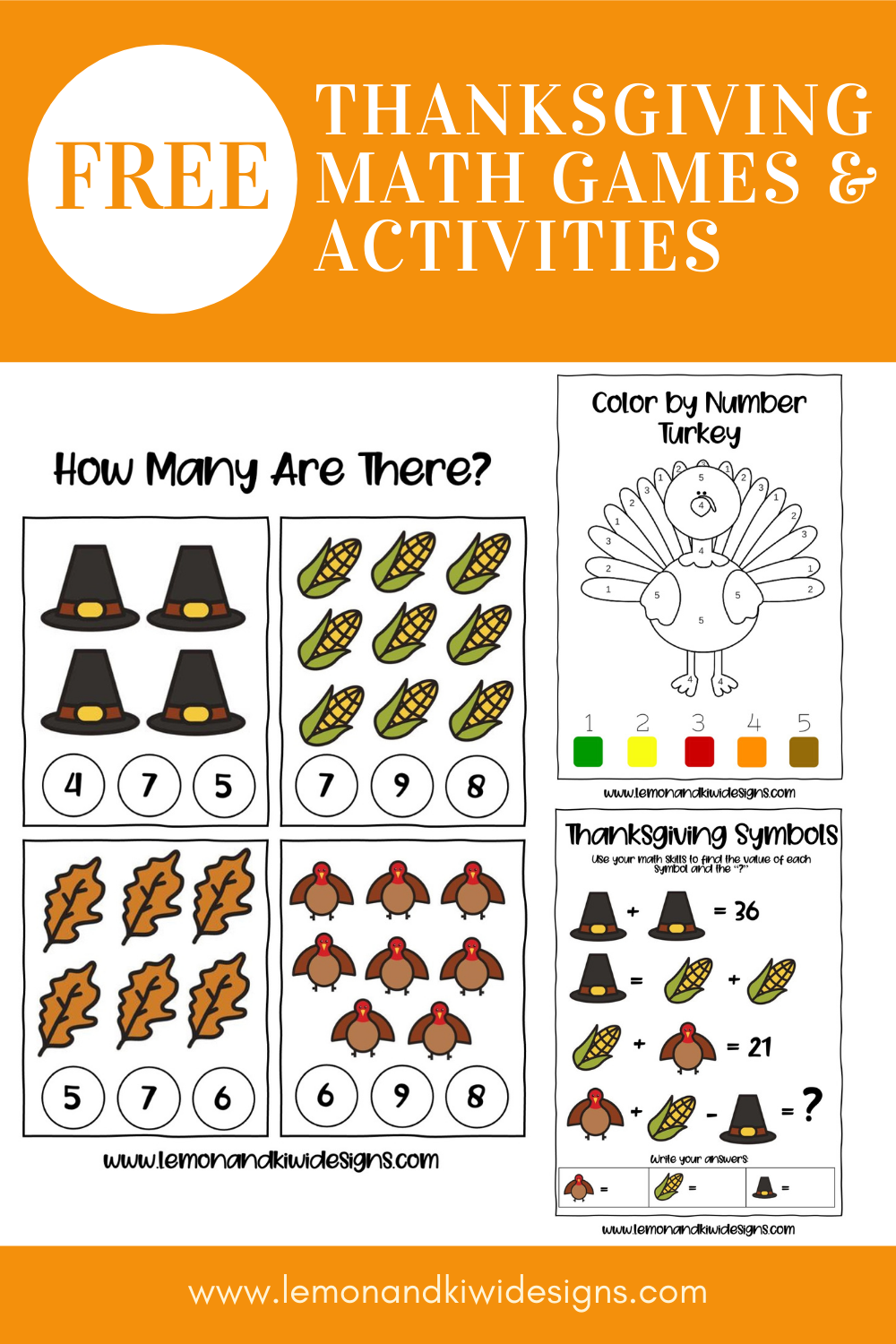
These educational materials typically consist of a variety of exercises designed to reinforce different mathematical concepts. Core Exercises: often include problems related to addition, subtraction, multiplication, and division, all presented within an Easter context. Word problems might involve calculating the number of eggs collected during an egg hunt or determining the cost of Easter basket items. Fractions and decimals can be explored through activities that involve dividing treats or calculating percentages related to Easter sales. Interactive Elements: may involve coloring activities where specific colors are assigned to different numerical values or creating patterns using Easter-themed images. Geometric concepts could be introduced through shape-based puzzles featuring eggs, bunnies, or other holiday symbols. The layout is often designed to be visually appealing, with bright colors and engaging illustrations to maintain interest. Sections might be divided by skill level or mathematical concept, allowing educators or parents to easily select appropriate activities. The worksheet‘s interactive and accessible nature makes math practice feel less like a chore and more like a festive game.
Tips and Complementary Resources
To maximize the benefits of these resources, a few practical tips can be followed. Daily Practice Tips: Short, focused sessions are more effective than long, infrequent ones. Dedicate 15-20 minutes each day to working through a few problems. Encourage learners to show their work and explain their reasoning. This helps identify areas of misunderstanding and reinforces problem-solving skills. Celebrate successes with positive reinforcement. Pairing with Other Resources: These activities can be supplemented with other educational materials, such as online math games, interactive tutorials, or real-world examples. For instance, after completing a worksheet on fractions, learners can practice measuring ingredients while baking an Easter treat. Consider integrating hands-on activities to further solidify mathematical concepts. Creating an Easter egg hunt with clues based on mathematical problems adds an element of excitement and reinforces learning in a fun and engaging way. These tips enhance mathematical understanding.
Conclusion
In conclusion, the use of Easter-themed mathematical activities provides a valuable and engaging method for reinforcing mathematical skills. These resources effectively blend the excitement of the holiday season with the essential practice needed to build a strong foundation in mathematics. By offering a variety of exercises and interactive elements, these resources cater to diverse learning styles and skill levels, ensuring that all learners can participate and succeed. Educators and parents should embrace the opportunity to incorporate these materials into their teaching or home learning routines. The immediate benefits include increased engagement, improved understanding, and a more positive attitude toward mathematics. Supplementing these activities with hands-on experiences and real-world applications further enhances the learning process. Consider exploring other themed educational materials to maintain interest and provide continuous opportunities for growth. The integration of such innovative and festive resources underscores the understanding of mathematics.
Developmental Milestone & Activity Table
| Development Stage | Recommended Daily Duration | Primary Learning Objective |
|---|---|---|
| Preschool & Pre-K | 10 – 15 Minutes | Pencil grip development & basic pre-stroke lines |
| Kindergarten | 15 – 20 Minutes | Letter/number formation & spatial line awareness |
| Early Elementary (Grade 1–2) | 20 – 30 Minutes | Fluency, sentence construction & neatness |
Images References :
Discover more printable learning activities by visiting our full Fun and Seasonal Math Worksheets archive for teachers, homeschoolers, and parents.