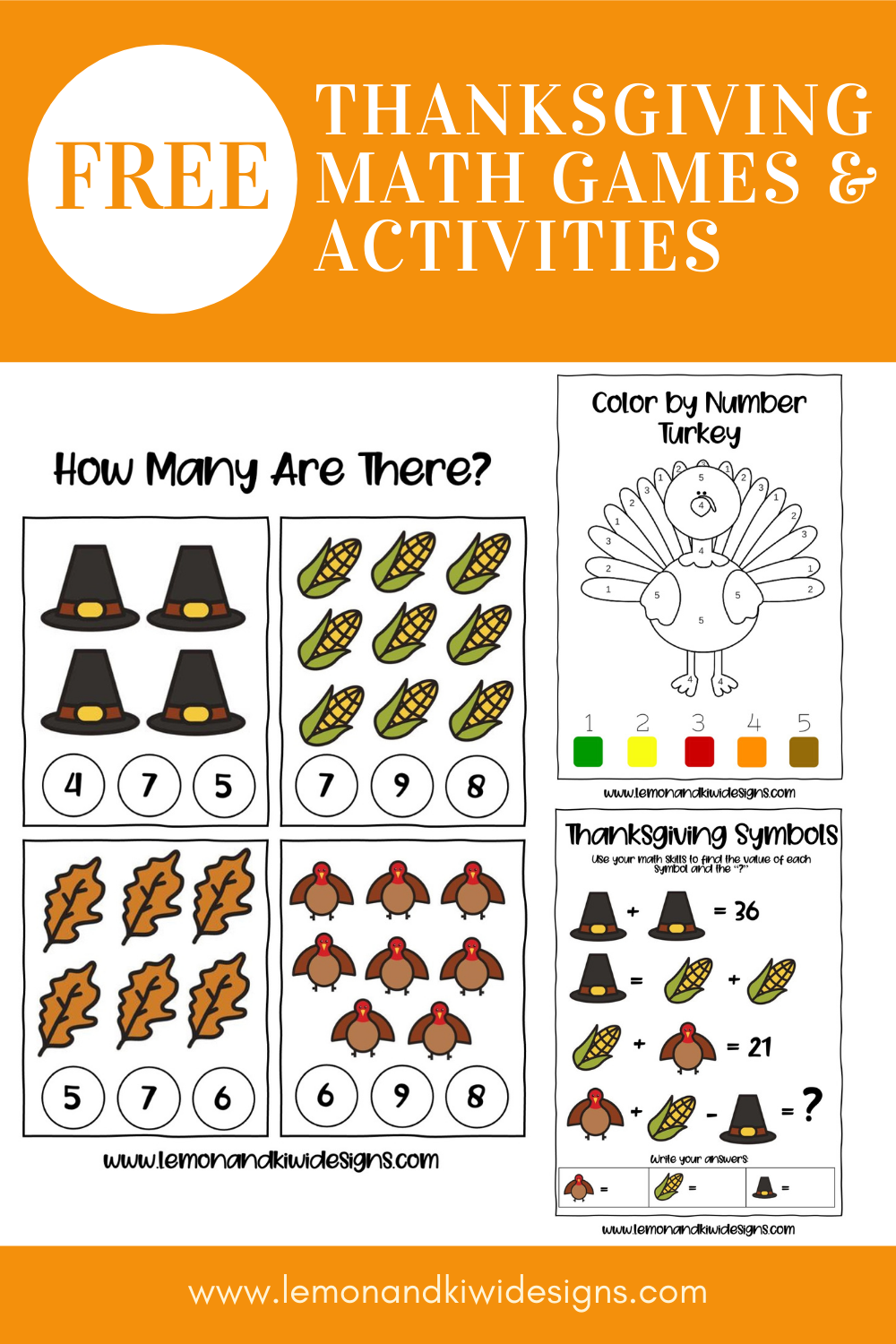
Introduction and Importance of Adding Three Two-Digit Numbers with Regrouping Worksheets
Proficiency in adding multiple two-digit numbers, particularly when regrouping is involved, is a fundamental building block for mathematical fluency. This skill is essential for solving a wide array of real-world problems, from managing personal finances to making quick calculations in everyday situations. Worksheets focusing on this concept provide a structured environment for learners to practice and master the necessary techniques. They support the development of number sense, place value understanding, and the ability to perform multi-step calculations accurately. These exercises offer a valuable tool for reinforcing classroom instruction, providing targeted practice at home, or facilitating independent learning. By working through a series of these problems, individuals can build confidence and automaticity in their arithmetic skills, paving the way for success in more advanced mathematical concepts. The ability to confidently manipulate numbers and perform calculations efficiently fosters a positive attitude towards mathematics and its application in various fields.
💡 Educational Key Takeaways:
- Core Skill: Structured Adding 3 Two Digit Numbers With Regrouping Worksheets focused on developing pencil grip, stroke control, and early literacy/math confidence.
- Target Scope: Suited for homeschoolers, preschool, kindergarten, and elementary learners.
- Best Recommendation: Practice 10–15 minutes daily with ergonomic writing tools to reinforce muscle memory without hand fatigue.
Structure and How It Works
These worksheets are typically designed with a clear and progressive structure to guide learners through the process. Core Exercises: The main component usually comprises a series of addition problems, each involving three two-digit numbers presented in a vertical format. These problems are carefully selected to necessitate regrouping from the ones place to the tens place. A dedicated space is provided for learners to write the regrouped digit, ensuring a clear and organized calculation. Interactive Elements: Some worksheets incorporate visual aids, such as base-ten blocks or number lines, to help learners visualize the concept of regrouping. Instructions are often included to guide learners through each step of the process. This may involve step-by-step examples or prompts to check their work. Answer keys are typically provided to allow for self-assessment and immediate feedback. The exercises are often arranged in increasing order of difficulty, starting with simpler problems and gradually introducing more complex scenarios. Consistent repetition and a well-defined structure facilitate the development of procedural fluency in addition.
Tips and Complementary Resources
Maximizing the benefits of these worksheets requires a strategic approach. Daily Practice Tips: Consistent, short practice sessions are more effective than infrequent, lengthy ones. Encourage learners to work through a few problems each day to reinforce their understanding and build fluency. Emphasize the importance of checking their work carefully, paying close attention to place value and regrouping. Pairing with Other Resources: Consider supplementing the worksheets with hands-on activities, such as using manipulatives like base-ten blocks to represent the numbers and the regrouping process. Online games and interactive tutorials can also provide a fun and engaging way to reinforce the concepts covered in the worksheets. Real-world problem-solving scenarios can also be incorporated to demonstrate the practical application of addition with regrouping. Encourage learners to explain their reasoning and problem-solving strategies aloud to solidify their understanding.
Conclusion
The use of exercises focused on adding three two-digit numbers with regrouping offers a powerful method for developing essential arithmetic skills. The structured practice provided by these resources builds confidence, improves accuracy, and fosters a deeper understanding of place value and regrouping. By consistently engaging with these exercises, learners can develop the ability to perform addition efficiently and accurately, laying a solid foundation for future mathematical success. Supplementing these exercises with hands-on activities and real-world problem-solving scenarios can further enhance the learning experience. Encourage consistent practice and emphasize the importance of understanding the underlying concepts to unlock the full potential of this learning tool. Related resources, such as worksheets focusing on different addition strategies or those that incorporate word problems, can also be explored to provide a more comprehensive learning experience.
Developmental Milestone & Activity Table
| Development Stage | Recommended Daily Duration | Primary Learning Objective |
|---|---|---|
| Preschool & Pre-K | 10 – 15 Minutes | Pencil grip development & basic pre-stroke lines |
| Kindergarten | 15 – 20 Minutes | Letter/number formation & spatial line awareness |
| Early Elementary (Grade 1–2) | 20 – 30 Minutes | Fluency, sentence construction & neatness |
Images References


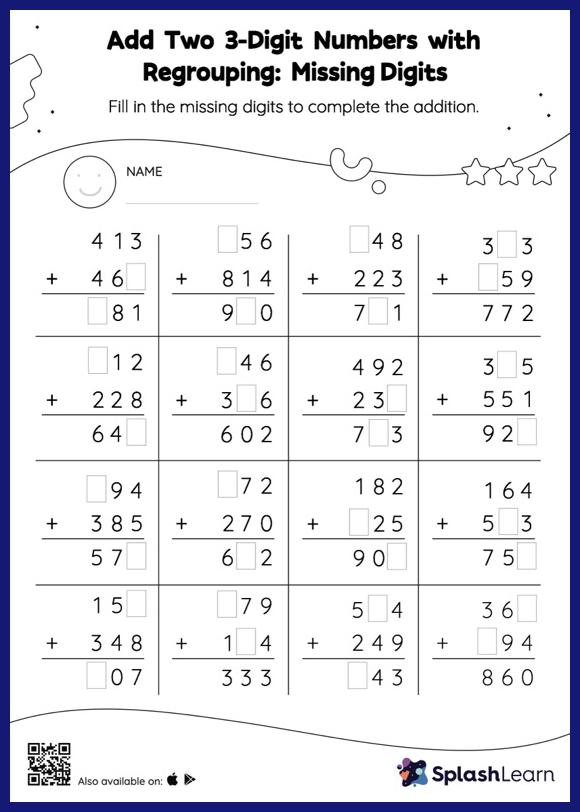
Discover more printable learning activities by visiting our full Fun and Seasonal Math Worksheets archive for teachers, homeschoolers, and parents.