Introduction and Importance
Mastering multiplication facts is a cornerstone of mathematical proficiency, influencing success in subsequent arithmetic, algebra, and more advanced concepts. Traditional rote memorization can be tedious for some learners, leading to frustration and a negative association with mathematics. Colouring activities integrated with multiplication practice offer a compelling alternative. By combining the visual appeal of art with the repetition necessary for memorization, these resources transform learning into an enjoyable and engaging experience. This approach can be particularly effective for visual learners, who benefit from the association of colour and pattern with numerical relationships. They offer a valuable tool for reinforcing multiplication skills, boosting confidence, and fostering a positive attitude towards mathematics. These worksheets seamlessly integrate into diverse learning environments, enriching the educational experience in various settings.
💡 Educational Key Takeaways:
- Core Skill: Structured Times Tables Colouring Worksheets focused on developing pencil grip, stroke control, and early literacy/math confidence.
- Target Scope: Suited for homeschoolers, preschool, kindergarten, and elementary learners.
- Best Recommendation: Practice 10–15 minutes daily with ergonomic writing tools to reinforce muscle memory without hand fatigue.
Structure and How It Works
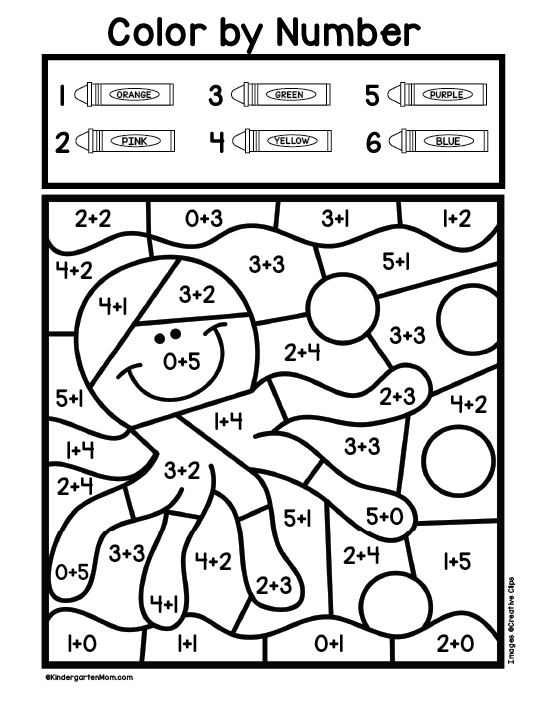
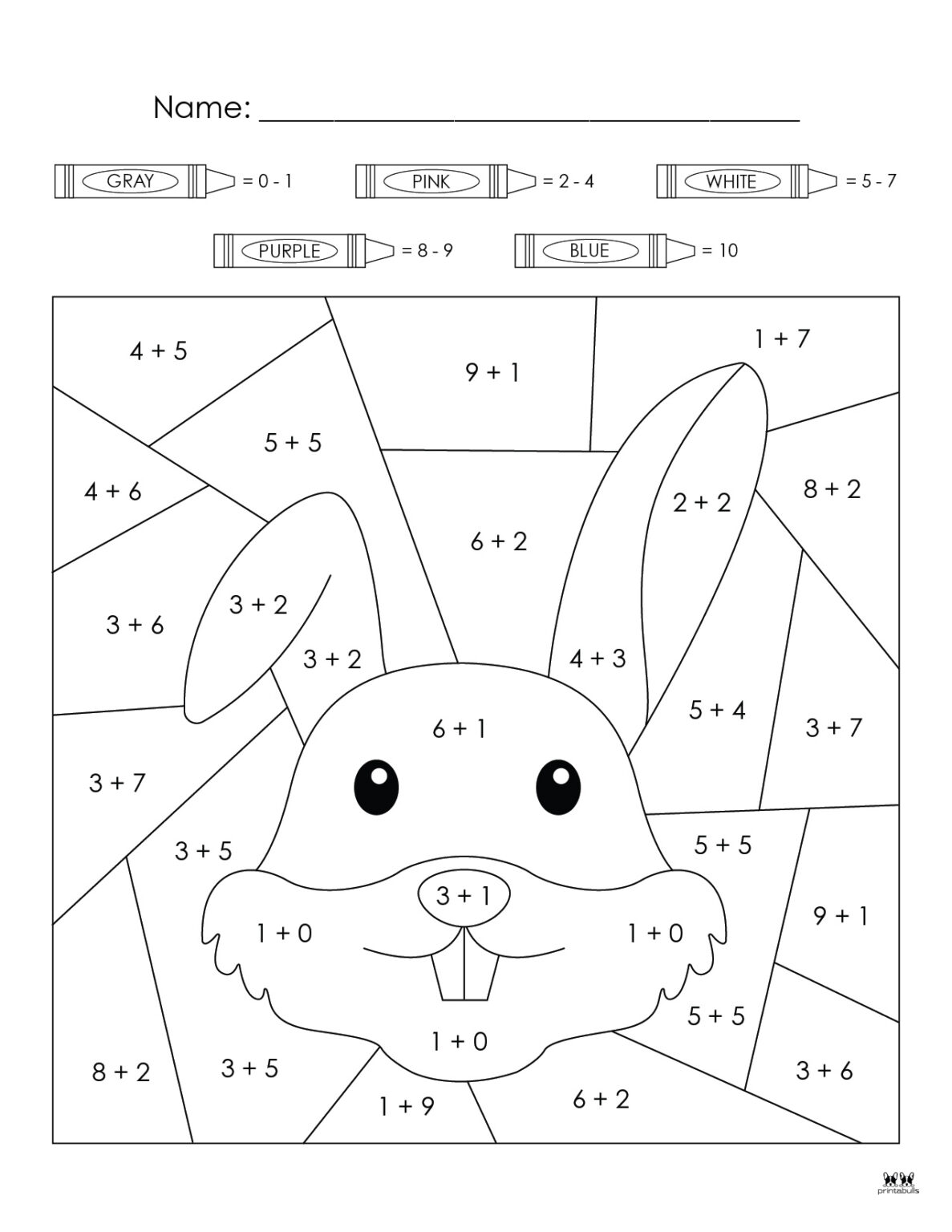
These educational resources typically feature a grid or image divided into sections, each corresponding to a specific multiplication problem. Solving the problem reveals a number, which then corresponds to a particular colour indicated in a key. Filling in the section with the correct colour progressively unveils a hidden picture or pattern. Core Exercises: Each worksheet contains various multiplication problems, strategically chosen to cover specific multiplication tables or target areas where learners might struggle. The difficulty can be adjusted, ranging from basic multiplication by 2 to more complex multiplication by 12 or even beyond. Interactive Elements: The act of colouring transforms the learning process into a visually stimulating and engaging activity. The anticipation of revealing the hidden image or pattern motivates learners to complete the problems accurately.
Tips and Complementary Resources
To maximize the benefits of these educational tools, it is essential to incorporate them strategically into a learning routine. Daily Practice Tips: Dedicate a specific time each day for practicing multiplication facts. Start with worksheets focused on a single multiplication table and gradually progress to more complex combinations. Encourage learners to double-check their answers to ensure accuracy. Pairing with Other Resources: These activities are most effective when used in conjunction with other resources, such as flashcards, online games, and real-world examples. Regularly quiz learners on multiplication facts to reinforce their knowledge. Relate multiplication to everyday scenarios, such as calculating the cost of multiple items or dividing objects into equal groups.
Conclusion
The integration of art and mathematics through colour-by-number multiplication activities offers a powerful method for making multiplication practice enjoyable and effective. By engaging learners visually and creatively, these resources can transform a potentially tedious task into an engaging learning experience. The hidden picture element adds an element of fun and anticipation, motivating learners to complete the problems accurately. Colouring exercises can significantly improve multiplication skills, boost confidence, and foster a positive attitude towards mathematics. Learners are encouraged to leverage these worksheets as a valuable tool in their mathematical journey, complementing other learning resources and building a strong foundation in multiplication. The positive impact extends beyond rote memorization, cultivating critical thinking and problem-solving skills that are essential for success in future mathematical endeavors.
Developmental Milestone & Activity Table
| Development Stage | Recommended Daily Duration | Primary Learning Objective |
|---|---|---|
| Preschool & Pre-K | 10 – 15 Minutes | Pencil grip development & basic pre-stroke lines |
| Kindergarten | 15 – 20 Minutes | Letter/number formation & spatial line awareness |
| Early Elementary (Grade 1–2) | 20 – 30 Minutes | Fluency, sentence construction & neatness |
Images References :
Discover more printable learning activities by visiting our full Shape and Color Worksheets archive for teachers, homeschoolers, and parents.