Introduction and Importance of spring math coloring sheets
The integration of thematic visuals with mathematical exercises offers a unique approach to learning, particularly beneficial for elementary-aged students. Worksheets blending numerical problems with seasonal imagery can significantly enhance engagement and retention. These resources transform what might otherwise be perceived as a monotonous task into an enjoyable activity. The visual appeal of springtime themes, such as flowers, animals, and sunshine, captures the attention of children, fostering a positive attitude toward mathematics. This method encourages active participation, turning learning into an interactive experience. This type of worksheet can be easily incorporated into a homeschooling curriculum, used as a supplementary material in classrooms, or utilized for independent study. The blend of artistic expression and mathematical problem-solving caters to diverse learning styles, making mathematical concepts more accessible and approachable for all learners. Ultimately, this pedagogical approach aims to solidify fundamental mathematical skills while sparking creativity and enthusiasm for learning.
💡 Activity Key Takeaways:
- Core Focus: Printable Spring Math Coloring Sheets designed for creative expression and fine-motor coordination.
- Target Scope: Ideal for toddlers, preschool, kindergarten, and classroom art activities.
- Best Recommendation: Use standard heavy printer paper (24–28 lb) or cardstock for vibrant results with crayons, colored pencils, or washable markers.
Structure and How It Works
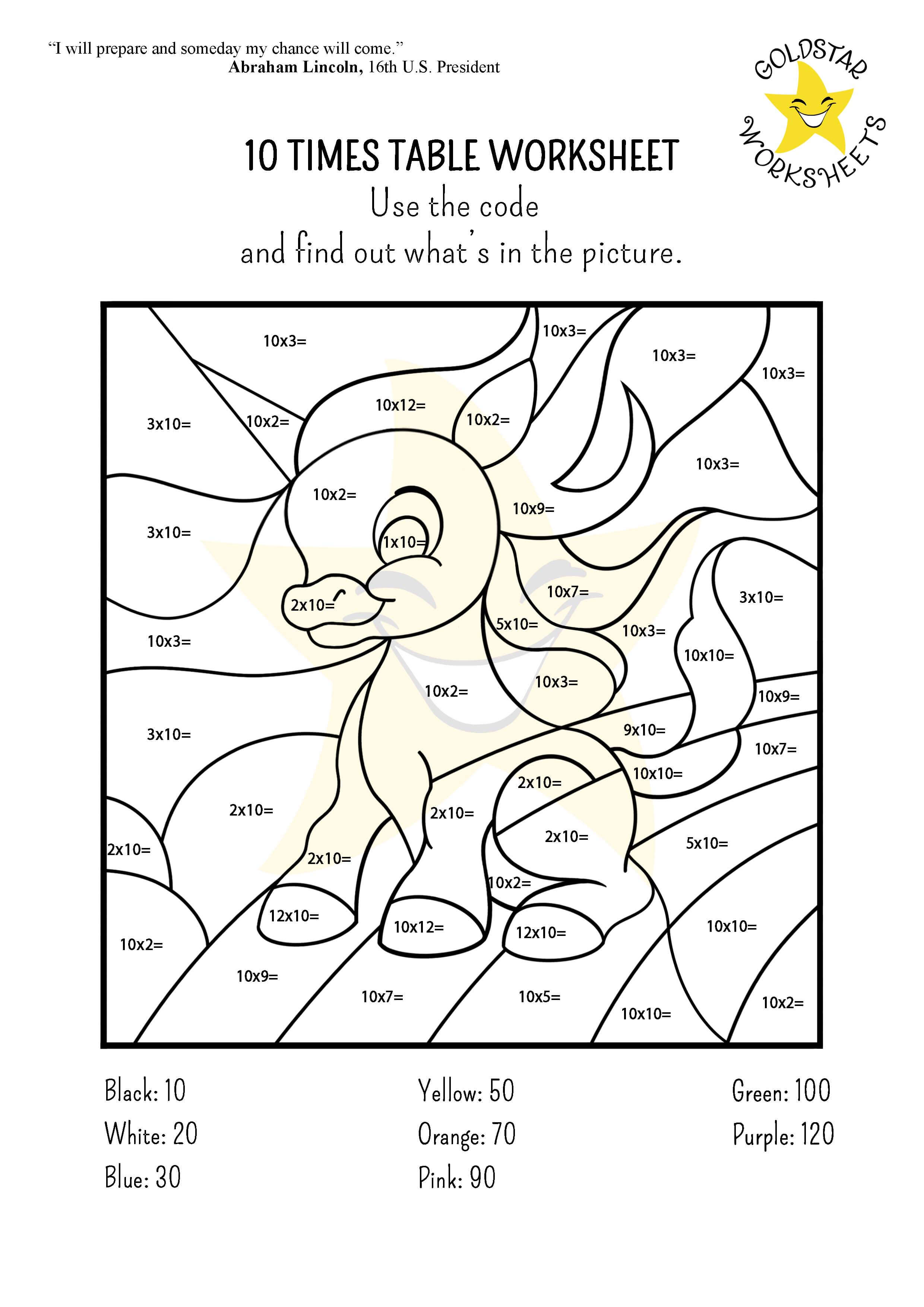
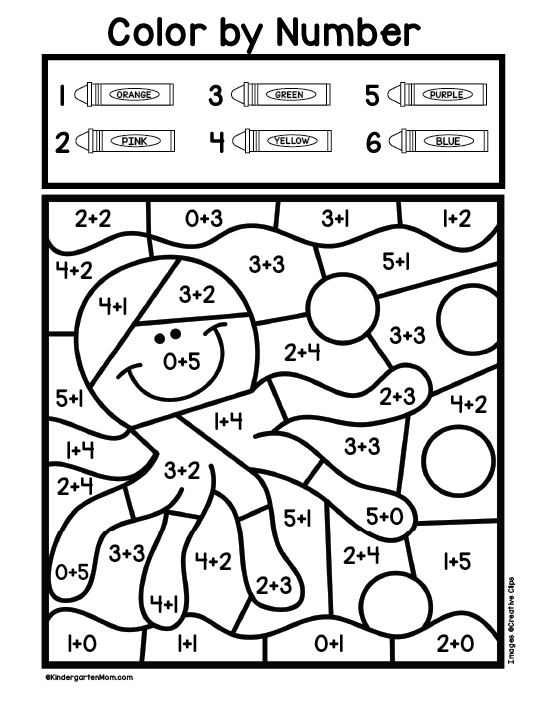
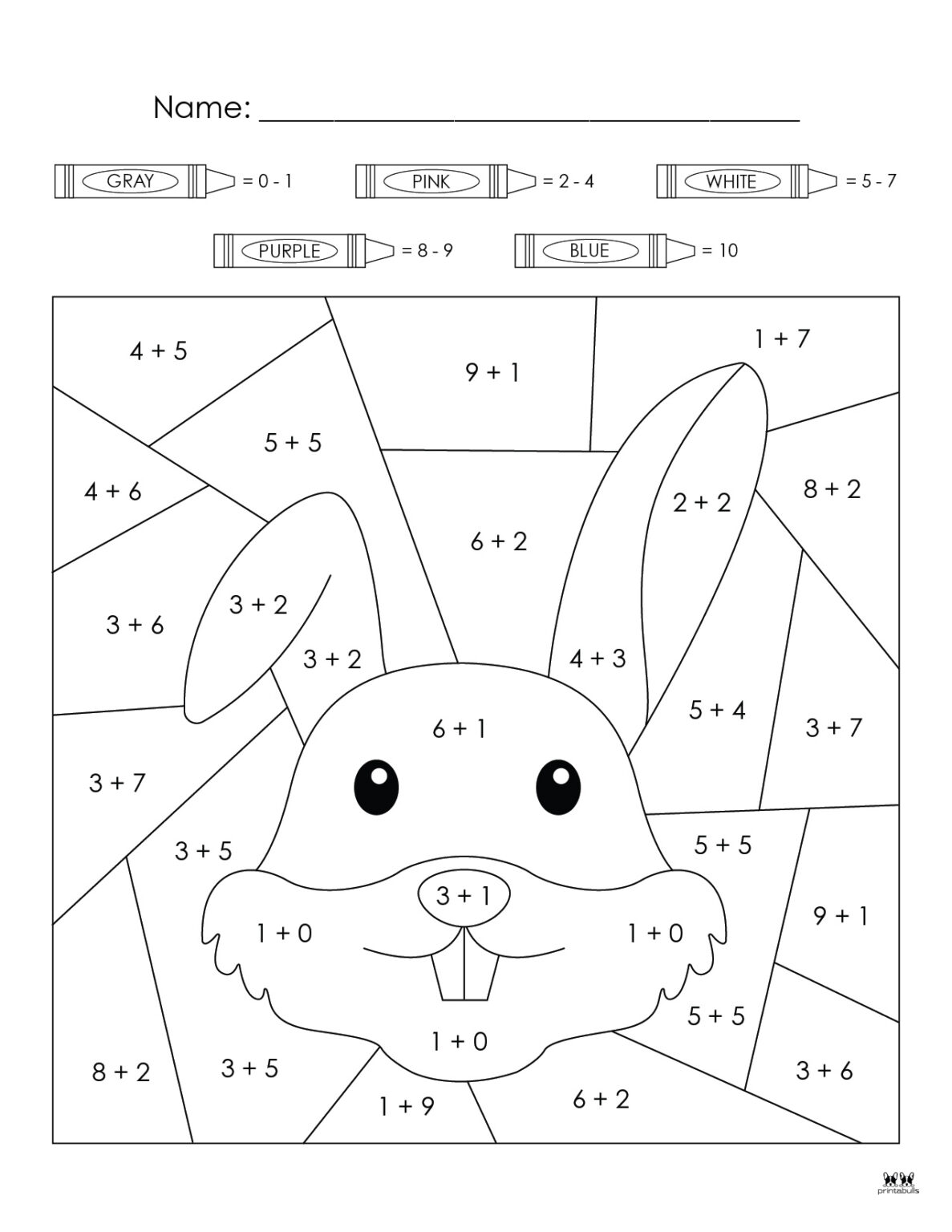
These worksheets typically feature a variety of mathematical problems intertwined with a spring-themed coloring component. The problems can span a range of topics, including basic addition, subtraction, multiplication, division, and even early algebraic concepts. Core Exercises: Each section usually contains a set of math problems where correct answers correspond to specific colors. For example, solving 5 + 3 = ? might result in coloring a designated area yellow. Interactive Elements: The worksheets are designed to be visually appealing with outlines of flowers, bees, butterflies, or other seasonal motifs. Once the numerical problem is solved, the correct color is applied to the corresponding section of the picture. The design is often structured to increase in complexity as the problems progress, ensuring a gradual learning curve. Additionally, some resources might include review sections or bonus challenges to further reinforce learned concepts. These materials encourage problem-solving skills through direct application to create a finished colored image.
Tips and Complementary Resources
Effective implementation of these worksheets hinges on a few key strategies. Daily Practice Tips: Allocate specific times each day for focused worksheet activity. Even 15-20 minutes of consistent practice can yield significant improvement. Encourage careful reading of instructions and double-checking of answers before coloring. Providing a quiet, distraction-free environment optimizes concentration. Pairing with Other Resources: Enhance learning by combining these worksheets with other educational resources. Consider using online tutorials, math manipulatives, or interactive games to reinforce concepts covered. Integrate real-world examples to illustrate the practical application of mathematical skills. Encouraging students to explain their problem-solving process aloud can also facilitate deeper understanding. Furthermore, consider adapting the difficulty level of the worksheets to match individual learning needs, ensuring a challenging yet achievable learning experience.
Conclusion
Integrating seasonal themes with mathematical exercises provides a fun and effective way to reinforce learning. These particular worksheets have the potential to transform mathematical practice from a chore into an engaging activity. The benefits are multifaceted, including improved problem-solving skills, enhanced visual learning, and increased motivation. By incorporating these resources into learning routines, educators and parents can foster a more positive and effective learning environment. These tools are readily available and can be easily adapted to suit various learning styles and skill levels. Encourage consistent engagement with these resources, and celebrate the learning process as a whole. Consider exploring supplementary materials, such as online math games or interactive tutorials, to further augment the learning experience. Ultimately, the goal is to cultivate a lifelong appreciation for mathematics through creative and engaging methods.
Key Specifications & Age-Group Overview
| Age / Grade Group | Target Skill Focus | Recommended Medium |
|---|---|---|
| Toddlers (Ages 2–4) | Hand-eye coordination & broad motor grasp | Jumbo crayons & washable finger paints |
| Early Elementary (Ages 5–7) | Line boundaries & fine pencil control | Standard colored pencils & fine-tip markers |
| Intermediate (Ages 8+) | Color blending, shading & artistic patience | Watercolor pencils, gel pens & dual-brush markers |
Images References :
Discover more printable learning activities by visiting our full Shape and Color Worksheets archive for teachers, homeschoolers, and parents.