

Introduction and Importance of Fractions in Second Grade
Understanding fractions forms a crucial building block for future mathematical concepts. Introducing fractions in second grade provides a foundation for more complex topics like algebra, geometry, and even everyday problem-solving. Early exposure helps children develop a sense of proportional reasoning and the ability to visualize parts of a whole. This skill transcends mathematics, aiding in understanding concepts across various subjects, from dividing a pizza equally among friends to interpreting data in science. Worksheets and activities designed for this age group specifically target the developmental stage of second graders. They make learning about fractions approachable and engaging, fostering a positive attitude towards mathematics. Mastering basic fraction concepts in the early years sets the stage for continued success and confidence in tackling more advanced mathematical challenges in later grades. It also enhances their numerical literacy and prepares them to confidently navigate situations involving portions and percentages in real-world scenarios.
💡 Educational Key Takeaways:
- Core Skill: Structured Fractions Activity Year 2 focused on developing pencil grip, stroke control, and early literacy/math confidence.
- Target Scope: Suited for homeschoolers, preschool, kindergarten, and elementary learners.
- Best Recommendation: Practice 10–15 minutes daily with ergonomic writing tools to reinforce muscle memory without hand fatigue.
Structure and How It Works
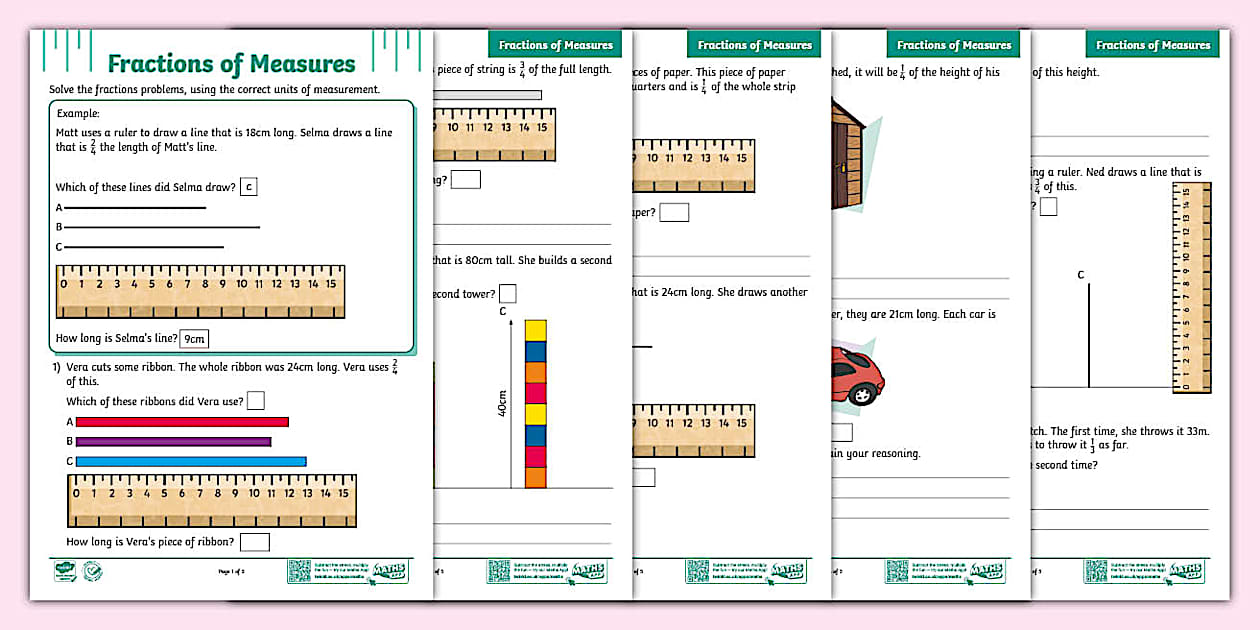
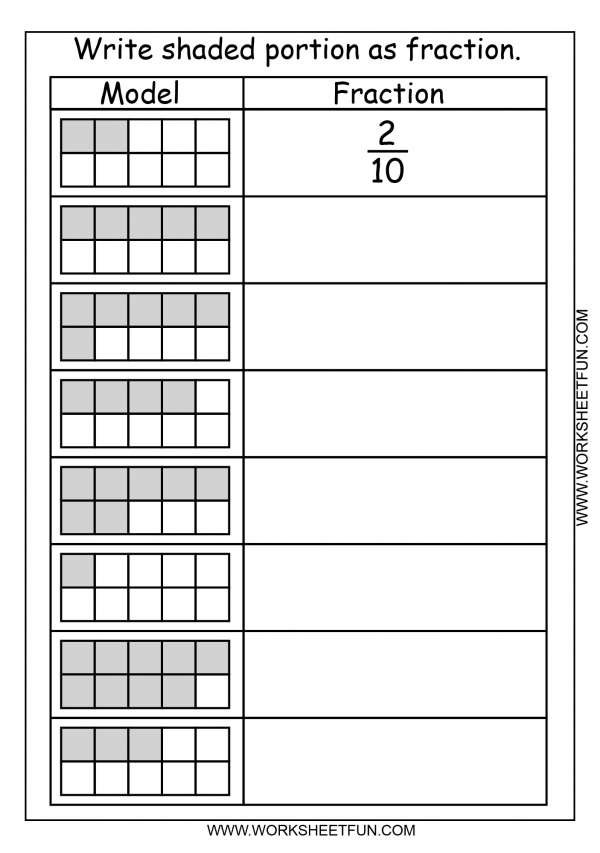
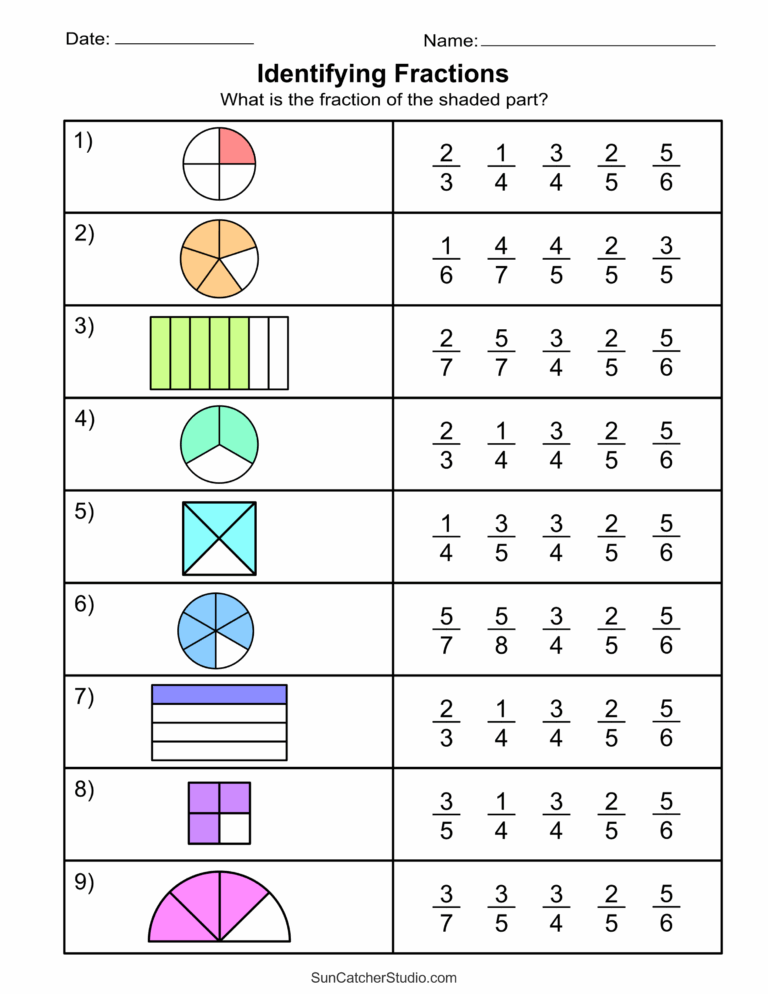
The structure of a fractions worksheet for second graders typically includes visual aids and simple, age-appropriate language. Core Exercises: These sections generally feature activities such as identifying fractions represented by shaded shapes, dividing shapes into equal parts, and comparing basic fractions like 1/2 and 1/4. Exercises often involve coloring or drawing to make the process more interactive. Worksheets may also include simple word problems that relate fraction concepts to everyday situations, for instance, “If you have a cake cut into four pieces and you eat one piece, what fraction of the cake did you eat?”. Interactive Elements: Many worksheets incorporate interactive elements like matching games or cut-and-paste activities to reinforce understanding in a fun and engaging way. A common layout involves a clear instruction at the top, followed by a series of visual problems. The worksheet focuses on foundational fraction knowledge, avoiding overly complex calculations or abstract concepts. The goal is to build a solid understanding of what fractions represent and how they relate to a whole, using visual learning and simple applications.
Tips and Complementary Resources
To maximize the benefits of fraction worksheets, consistent and focused practice is essential. Daily Practice Tips: Dedicate short, regular intervals to working through the exercises. This helps reinforce the concepts and prevent overwhelming the child. Encourage the use of manipulatives, such as fraction circles or blocks, to provide a tangible representation of fractions. Celebrate progress and focus on understanding, rather than solely on getting the correct answers. Positive reinforcement fosters a more enthusiastic approach to learning. Pairing with Other Resources: Fraction worksheets are often more effective when used in conjunction with other learning resources. Consider incorporating online fraction games or educational videos to provide a multi-sensory learning experience. Storybooks that introduce fraction concepts can also be a helpful and engaging supplement. By combining different methods, a more comprehensive understanding is fostered, allowing children to grasp the underlying principles of fractions more effectively.
Conclusion
Engaging with carefully designed worksheets offers second graders a valuable opportunity to build a strong foundation in fraction concepts. These activities not only enhance mathematical skills but also develop critical thinking and problem-solving abilities. The visual nature of the worksheets, combined with simple, relatable examples, makes learning about fractions accessible and enjoyable. By providing a structured and supportive learning environment, these resources encourage children to confidently explore the world of fractions. Consistent practice, paired with positive reinforcement, fosters a sense of accomplishment and motivates continued learning. As children gain a solid understanding of basic fractions, they are better prepared for more advanced mathematical concepts in the future. Other related resources, such as interactive online games and hands-on manipulatives, can further enrich the learning experience and solidify their grasp of these fundamental concepts, setting them up for long-term success in mathematics.
Developmental Milestone & Activity Table
| Development Stage | Recommended Daily Duration | Primary Learning Objective |
|---|---|---|
| Preschool & Pre-K | 10 – 15 Minutes | Pencil grip development & basic pre-stroke lines |
| Kindergarten | 15 – 20 Minutes | Letter/number formation & spatial line awareness |
| Early Elementary (Grade 1–2) | 20 – 30 Minutes | Fluency, sentence construction & neatness |
Images References




Discover more printable learning activities by visiting our full Fun and Seasonal Math Worksheets archive for teachers, homeschoolers, and parents.


