Introduction and Importance of Spring-Themed Math Activities
Spring presents a unique opportunity to infuse learning with the vibrant themes of nature and renewal. Engaging with math activities centered around spring can significantly enhance understanding and retention for learners of all ages, whether in a classroom, at home, or through self-directed study. These resources offer a refreshing break from routine instruction, utilizing visuals and themessuch as flowers, insects, and budding plantsto illustrate mathematical concepts. The use of relatable imagery can make abstract ideas more concrete and accessible, fostering a deeper understanding. Moreover, incorporating these activities promotes an enjoyable learning environment, encouraging children to engage with mathematical problems willingly and enthusiastically. This positive association can combat math anxiety and build confidence. Ultimately, leveraging seasonal resources like these can contribute to a more holistic and effective educational experience, supporting the development of crucial mathematical skills while celebrating the beauty of spring.
💡 Educational Key Takeaways:
- Core Skill: Structured Free Spring Math Worksheets focused on developing pencil grip, stroke control, and early literacy/math confidence.
- Target Scope: Suited for homeschoolers, preschool, kindergarten, and elementary learners.
- Best Recommendation: Practice 10–15 minutes daily with ergonomic writing tools to reinforce muscle memory without hand fatigue.
Structure and How It Works
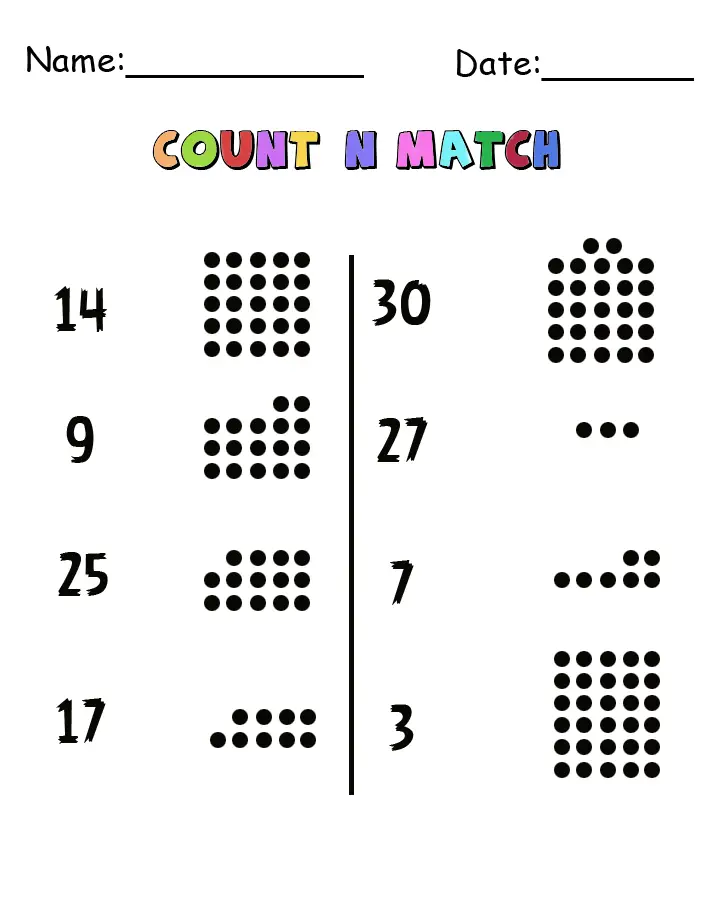
These learning materials typically follow a structured format to ensure comprehensive coverage of key mathematical skills. Core Exercises: Often, they begin with fundamental arithmetic problems, including addition, subtraction, multiplication, and division. These problems may be presented within word problems that incorporate spring-related scenarios, such as calculating the number of seeds planted or the total petals on a group of flowers. The structure often includes exercises focused on geometry, with problems involving shapes found in nature like leaves or honeycombs. Interactive Elements: Many of these tools incorporate interactive elements like coloring pages, matching games, and simple puzzles designed to reinforce concepts in a playful manner. Further, measurement and data handling are frequently covered, prompting learners to measure lengths of stems or analyze data from a simulated butterfly count. A well-designed resource will progressively increase the difficulty of problems, allowing for a gradual development of skills and understanding. The combination of structured exercises and interactive elements ensures that the learning process is engaging, effective, and tailored to a variety of learning styles.
Tips and Complementary Resources
To maximize the effectiveness of spring-themed mathematical exercises, consider several practical strategies. Daily Practice Tips: Dedicate a specific time each day to work through the worksheets, establishing a consistent routine that fosters focus and concentration. Encourage learners to explain their problem-solving process aloud, promoting a deeper understanding of the underlying concepts. When approaching word problems, emphasize the importance of identifying key information and translating it into mathematical equations. Pairing with Other Resources: Supplement these materials with hands-on activities, such as gardening or nature walks, to connect mathematical concepts to real-world observations. Utilize online resources like educational videos and interactive simulations to further enhance understanding and provide varied learning experiences. Collaborating with peers or family members can also create a supportive learning environment, where challenges are tackled collectively and successes are celebrated. By incorporating these tips and resources, learners can derive maximum benefit from spring-themed mathematical exercises, fostering both competence and enthusiasm.
Conclusion
Spring-themed math exercises offer an engaging and effective avenue for reinforcing essential mathematical skills. By integrating seasonal themes and visuals, these tools make learning more enjoyable and accessible, fostering a deeper understanding of concepts and building confidence in learners. The structured format, often encompassing core arithmetic, geometry, and data handling, ensures a comprehensive review of key topics. The inclusion of interactive elements like coloring pages and puzzles further enhances the learning experience, catering to diverse learning styles and keeping learners motivated. By embracing a consistent practice routine, supplementing with hands-on activities and online resources, and fostering a collaborative learning environment, individuals can unlock the full potential of these tools. Consider exploring related educational resources, such as online spring-themed quizzes or supplementary lesson plans, to further enrich the learning experience. The positive impact of these activities can extend beyond academic performance, cultivating a lifelong appreciation for both mathematics and the natural world, thereby fostering a well-rounded educational journey.
Developmental Milestone & Activity Table
| Development Stage | Recommended Daily Duration | Primary Learning Objective |
|---|---|---|
| Preschool & Pre-K | 10 – 15 Minutes | Pencil grip development & basic pre-stroke lines |
| Kindergarten | 15 – 20 Minutes | Letter/number formation & spatial line awareness |
| Early Elementary (Grade 1–2) | 20 – 30 Minutes | Fluency, sentence construction & neatness |
Images References :
Discover more printable learning activities by visiting our full Math Worksheets archive for teachers, homeschoolers, and parents.