Introduction and Importance of Math Practice Resources for Young Learners
Early math skills form the foundation for future academic success. Introducing mathematical concepts in a playful and accessible manner is crucial for kindergartners. Resources designed for this age group often leverage visual aids, simple instructions, and repetitive exercises to build confidence and understanding. These resources are invaluable for both parents and educators seeking to reinforce classroom learning or provide extra support at home. They allow for personalized learning experiences, adapting to a child’s individual pace and learning style. Accessible and easily obtainable, these tools can transform math learning into a fun and engaging activity, fostering a positive attitude towards mathematics from an early age. The ability to access learning materials without financial burden ensures equitable opportunities for all children to develop fundamental math skills. This access contributes to a more level playing field as students progress through their educational journey, solidifying their comprehension and readiness for future challenges. By focusing on basic concepts like counting, number recognition, and simple shapes, these resources equip young learners with the necessary building blocks for more complex mathematical reasoning.
💡 Educational Key Takeaways:
- Core Skill: Structured Free Printable Kindergarten Math Worksheets Pdf focused on developing pencil grip, stroke control, and early literacy/math confidence.
- Target Scope: Suited for homeschoolers, preschool, kindergarten, and elementary learners.
- Best Recommendation: Practice 10–15 minutes daily with ergonomic writing tools to reinforce muscle memory without hand fatigue.
Structure and How It Works
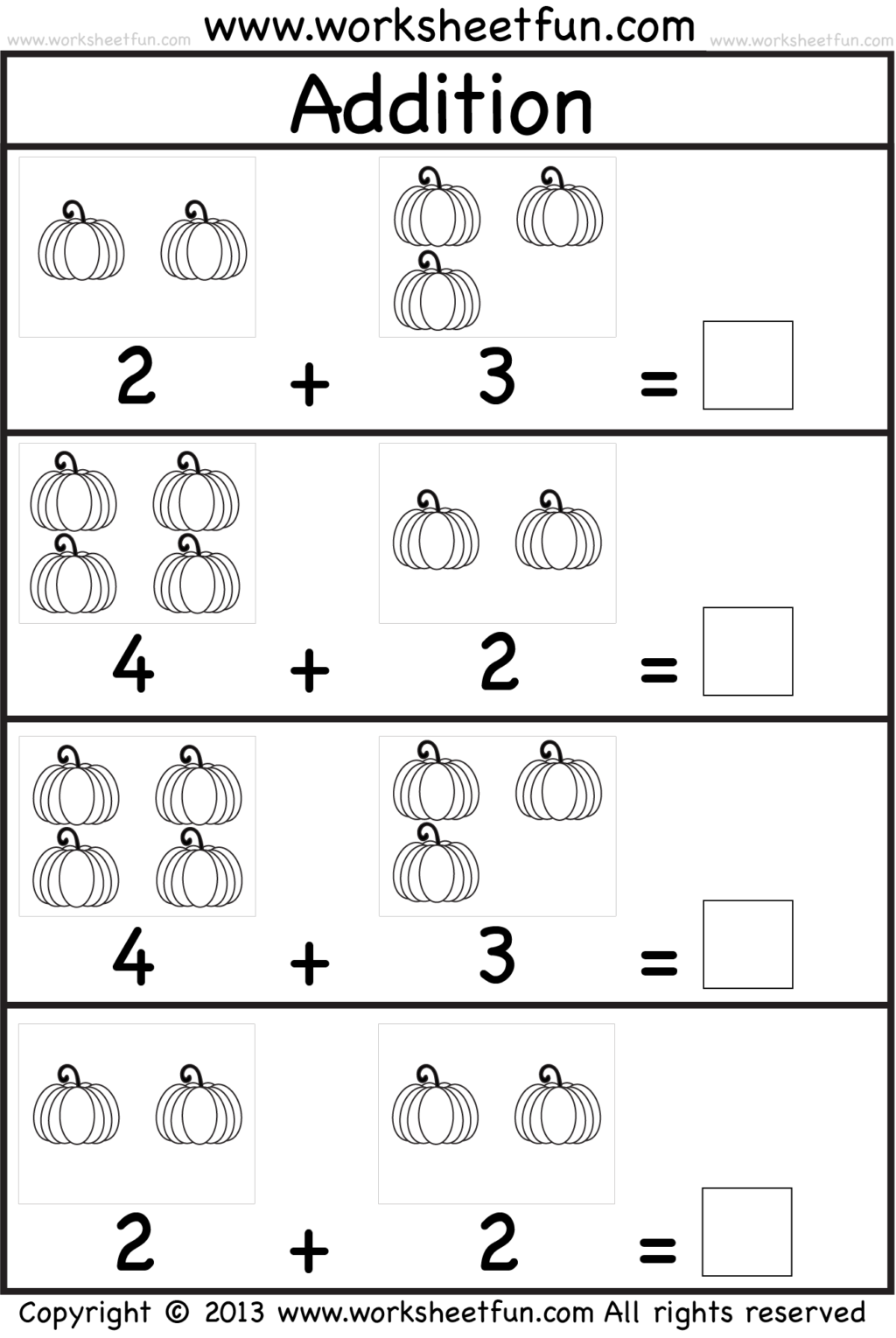
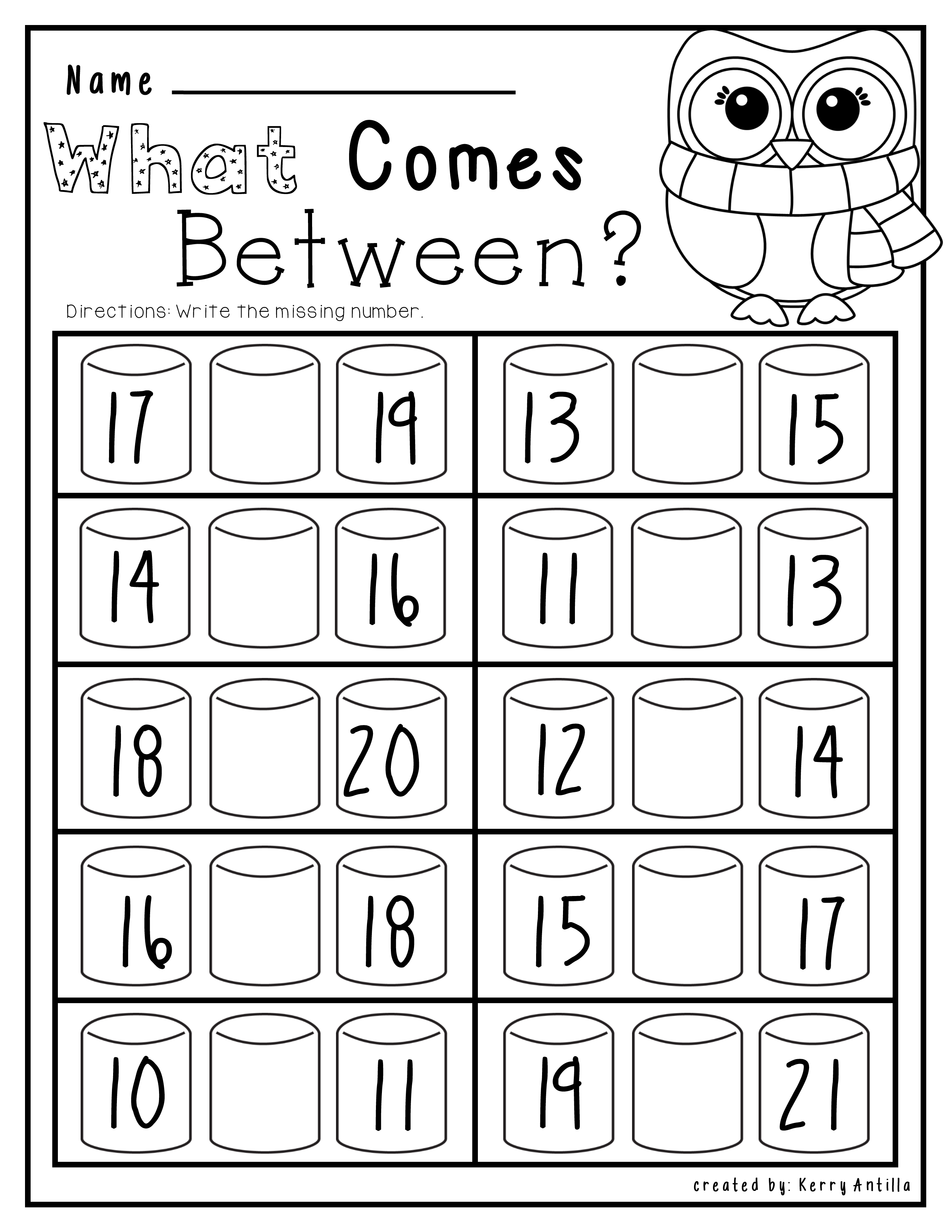
Effective materials for kindergarten math practice typically consist of several key components tailored to young learners. The layout is usually designed with ample white space and large, clear fonts to minimize visual clutter and maintain focus. Core Exercises: The exercises often include counting objects, identifying numbers, matching quantities, and recognizing basic shapes. These activities are designed to reinforce number sense and spatial reasoning. Worksheets are commonly structured to progress from simple to more complex tasks, building confidence gradually. Interactive Elements: Many resources incorporate visual aids such as pictures, colorful illustrations, and geometric shapes to enhance engagement and comprehension. Activities may include coloring, drawing, and simple cutting and pasting to incorporate fine motor skills practice. The use of real-world examples and scenarios helps children connect abstract math concepts to their everyday experiences. Assessment is often integrated through simple quizzes or worksheets that allow parents and educators to monitor progress and identify areas needing further support. Instructions are typically concise and easy to understand, catering to the limited reading skills of young children. This structure promotes self-directed learning and fosters a sense of accomplishment as children independently complete tasks.
Tips and Complementary Resources
To maximize the effectiveness of these resources, several practical usage tips can be implemented. Daily Practice Tips: Short, frequent practice sessions are more beneficial than long, infrequent ones. Aim for 15-20 minutes of focused activity each day. Make the learning environment fun and engaging by incorporating games, songs, and hands-on activities. Celebrate successes and provide positive reinforcement to build confidence and motivation. Pairing with Other Resources: Combine worksheet activities with manipulatives such as counting blocks, beads, or buttons to provide a multi-sensory learning experience. Utilize online educational games and videos to supplement worksheet practice and cater to different learning styles. Incorporate math into everyday activities, such as counting toys, measuring ingredients while cooking, or identifying shapes in the environment. Encourage problem-solving skills by asking open-ended questions and allowing children to explore different approaches. By creating a supportive and stimulating learning environment, parents and educators can foster a love of math and set children up for success in future academic endeavors. This holistic approach ensures that children not only grasp the fundamental concepts but also develop a positive attitude toward learning.
Conclusion
These accessible learning tools provide a valuable resource for supporting early math education. Their user-friendly format, engaging activities, and focus on fundamental concepts make them an ideal tool for parents, educators, and caregivers. By using these resources, children can develop a strong foundation in mathematics, build confidence in their abilities, and foster a lifelong love of learning. The accessibility of these materials ensures that all children have the opportunity to develop essential math skills, regardless of their background or circumstances. Consider exploring other supplementary resources such as online educational games, interactive apps, and hands-on manipulatives to create a well-rounded learning experience. Embrace the opportunity to make math learning fun and engaging for young learners. Encourage immediate engagement with available materials to reinforce foundational skills and pave the way for future academic success. This proactive approach to early math education can have a lasting impact on a child’s cognitive development and overall academic performance. Empowering young learners with a solid math foundation sets them on a path towards confident problem-solving and critical thinking abilities throughout their educational journey and beyond.
Developmental Milestone & Activity Table
| Development Stage | Recommended Daily Duration | Primary Learning Objective |
|---|---|---|
| Preschool & Pre-K | 10 – 15 Minutes | Pencil grip development & basic pre-stroke lines |
| Kindergarten | 15 – 20 Minutes | Letter/number formation & spatial line awareness |
| Early Elementary (Grade 1–2) | 20 – 30 Minutes | Fluency, sentence construction & neatness |
Images References :
Discover more printable learning activities by visiting our full Pre K Activity Worksheets archive for teachers, homeschoolers, and parents.