Introduction and Importance of maths subtraction activities
Subtraction is a fundamental arithmetic operation, forming a cornerstone of mathematical understanding. Proficiency in this area is crucial for various aspects of life, from managing personal finances to solving complex problems in science and engineering. Engaging in activities that reinforce subtraction skills is therefore immensely valuable, whether learning occurs at home, in a structured school environment, or through independent study. Early mastery of subtraction provides a solid foundation for more advanced mathematical concepts, such as algebra and calculus. The ability to accurately and efficiently subtract numbers empowers individuals to confidently tackle real-world challenges involving calculations, estimations, and problem-solving. Furthermore, consistent engagement with subtraction exercises cultivates critical thinking skills, enhances logical reasoning abilities, and fosters a deeper appreciation for the elegance and utility of mathematics. A strong grasp of this basic operation allows for better comprehension of mathematical relationships and ultimately contributes to overall academic success and practical life skills. Subtraction proficiency also aids in the development of number sense, an intuitive understanding of the relative magnitude of numbers and their relationships to one another.
💡 Educational Key Takeaways:
- Core Skill: Structured Maths Subtraction Activities focused on developing pencil grip, stroke control, and early literacy/math confidence.
- Target Scope: Suited for homeschoolers, preschool, kindergarten, and elementary learners.
- Best Recommendation: Practice 10–15 minutes daily with ergonomic writing tools to reinforce muscle memory without hand fatigue.
Structure and How It Works
A typical worksheet designed to enhance subtraction skills usually incorporates a variety of exercises tailored to different skill levels. The layout often begins with simpler problems involving single-digit subtraction and gradually progresses to more complex problems involving multi-digit numbers and borrowing.
Core Exercises: These comprise the bulk of the worksheet and provide practice in basic subtraction techniques. Problems may be presented in a horizontal or vertical format, requiring the learner to apply different subtraction strategies. Word problems may also be included to contextualize subtraction and demonstrate its real-world applications. The use of visuals, such as diagrams or number lines, can further enhance understanding and engagement.
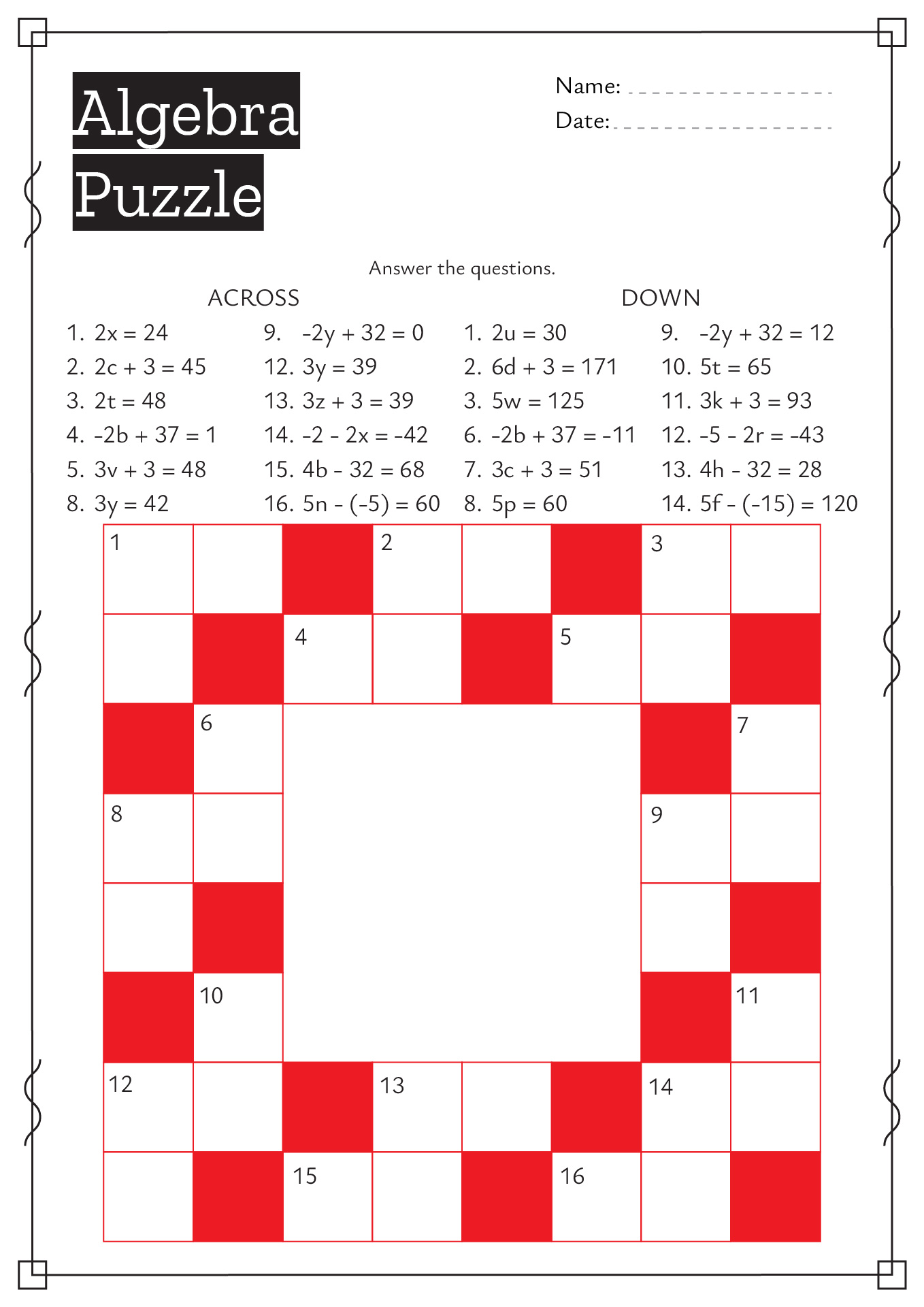
Interactive Elements: Some worksheets incorporate interactive elements such as puzzles, games, or color-by-number activities to make the learning process more enjoyable. These elements help to reinforce subtraction skills in a fun and engaging way, making learning more accessible and less intimidating. Worksheets designed for younger learners may also incorporate pictures or drawings to make the content more visually appealing. Answer keys are typically provided to enable self-assessment and immediate feedback. This helps learners to identify areas where they may need additional support. The complexity of the problems is often tiered, allowing the worksheet to be used by learners with varying levels of proficiency.
Tips and Complementary Resources
To maximize the benefits of using subtraction-focused worksheets, certain strategies can be employed. Consistent practice is key to solidifying understanding and developing fluency. A dedicated time slot for working through subtraction problems can help establish a routine and ensure regular engagement.
Daily Practice Tips: Start with a few simple problems to build confidence, then gradually increase the difficulty level. Encourage learners to show their work step-by-step to help identify and correct any errors. Celebrate successes and provide positive reinforcement to motivate continued effort. Real-life examples can be used to illustrate the relevance of subtraction in everyday situations.
Pairing with Other Resources: These worksheets can be effectively paired with other learning resources to provide a more comprehensive learning experience. Manipulatives, such as counters or number blocks, can be used to visualize subtraction concepts. Online games and interactive tutorials can provide additional practice and support. Textbooks and workbooks can offer a more structured and in-depth exploration of subtraction techniques. Collaboration with peers or tutors can also enhance understanding and problem-solving skills.
Conclusion
Subtraction is an essential mathematical skill with far-reaching implications for both academic and practical endeavors. Structured exercises designed to improve subtraction proficiency offer a valuable tool for learners of all ages. The benefits extend beyond mere calculation; it fosters critical thinking, problem-solving, and logical reasoning. Consistent practice, coupled with effective strategies and complementary resources, can significantly enhance understanding and confidence in this fundamental mathematical operation. Learners are encouraged to actively engage with these resources, seek support when needed, and celebrate their progress along the way. By embracing a growth mindset and approaching subtraction with curiosity and perseverance, individuals can unlock their mathematical potential and gain a powerful tool for navigating the complexities of the world around them. Supplementing this practice with resources focused on addition, multiplication, and division can create a well-rounded mathematical foundation, preparing learners for more advanced studies and real-world applications. The consistent application of carefully designed exercises serves as a cornerstone for building competence and confidence in dealing with numerical problems.
Developmental Milestone & Activity Table
| Development Stage | Recommended Daily Duration | Primary Learning Objective |
|---|---|---|
| Preschool & Pre-K | 10 – 15 Minutes | Pencil grip development & basic pre-stroke lines |
| Kindergarten | 15 – 20 Minutes | Letter/number formation & spatial line awareness |
| Early Elementary (Grade 1–2) | 20 – 30 Minutes | Fluency, sentence construction & neatness |
Images References :
Discover more printable learning activities by visiting our full Fun and Seasonal Math Worksheets archive for teachers, homeschoolers, and parents.