Introduction and Importance of Maths Colour by Numbers
Worksheets that combine mathematical problem-solving with the creative activity of coloring offer a unique and engaging learning experience. These resources provide a playful way for individuals of varying ages and skill levels to reinforce their understanding of fundamental mathematical concepts. The fusion of logic and art in these printables makes math more accessible and enjoyable, reducing anxiety often associated with traditional math exercises.
These types of learning tools are particularly beneficial for kinesthetic and visual learners, enabling them to grasp concepts through hands-on interaction. Whether utilized in a classroom setting, for homeschooling, or as a supplementary self-study tool, these printables transform potentially monotonous calculations into an exciting and stimulating activity. They help build a solid mathematical foundation while encouraging creativity and fine motor skill development, contributing to a well-rounded educational approach.
💡 Educational Key Takeaways:
- Core Skill: Structured Maths Colour By Numbers Free Printables focused on developing pencil grip, stroke control, and early literacy/math confidence.
- Target Scope: Suited for homeschoolers, preschool, kindergarten, and elementary learners.
- Best Recommendation: Practice 10–15 minutes daily with ergonomic writing tools to reinforce muscle memory without hand fatigue.
Structure and How It Works
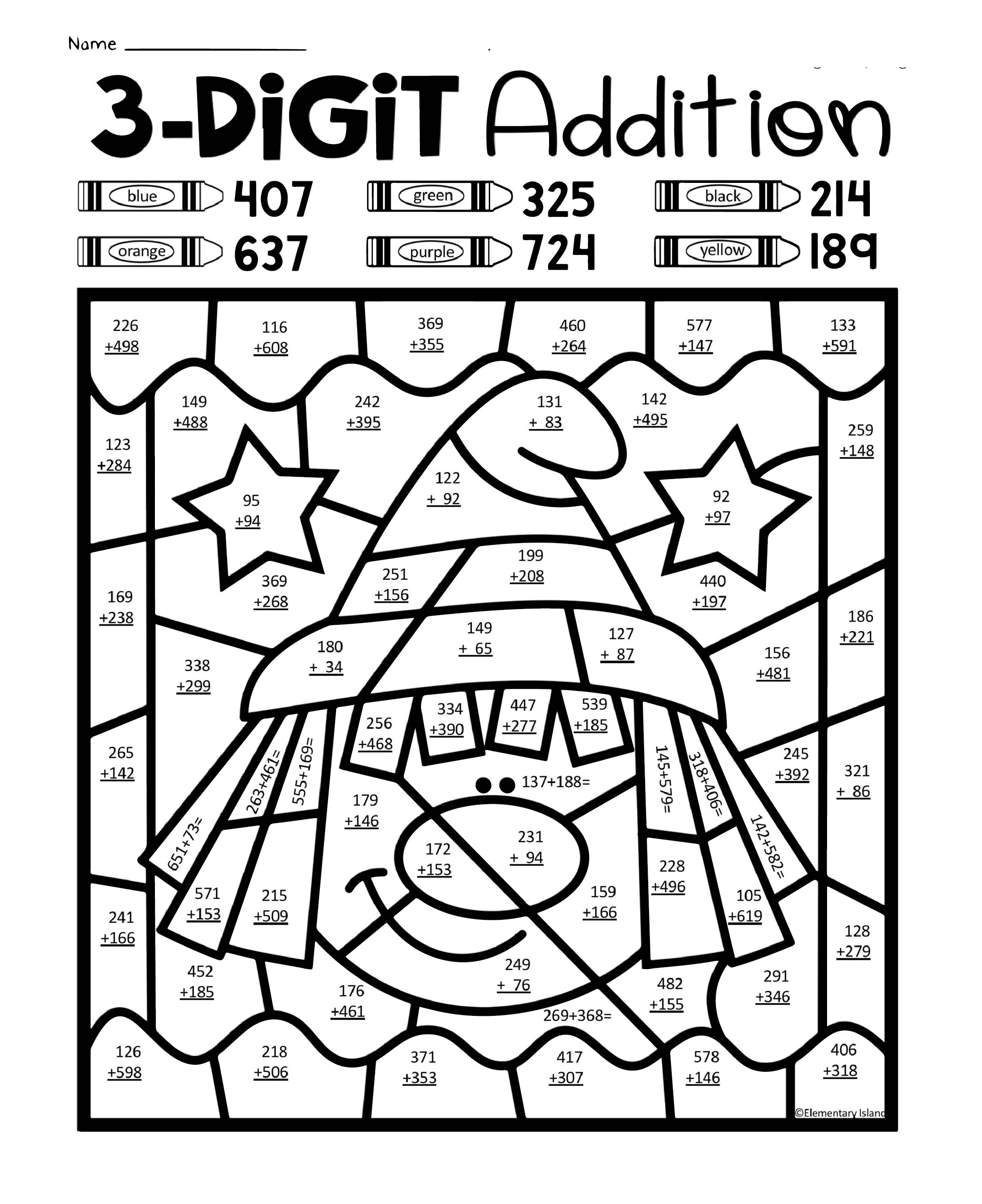
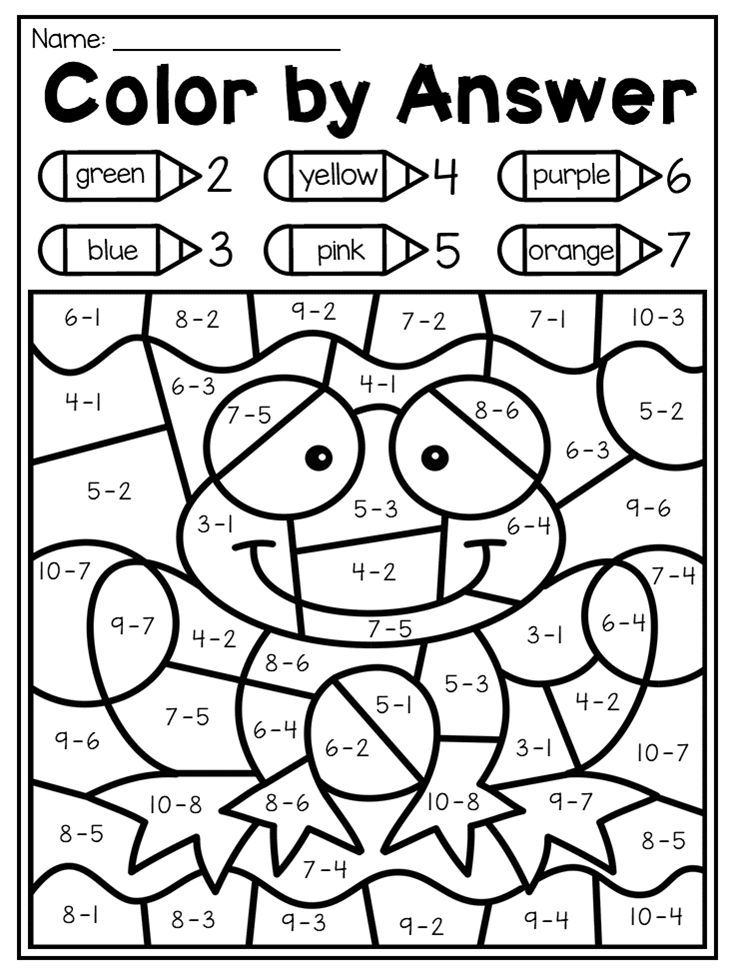
The layout of these educational resources typically involves a grid or image divided into sections, each assigned a specific number. Each number corresponds to the solution of a math problem provided within the worksheet. The problems can range from basic addition and subtraction to more complex multiplication, division, or even algebraic equations, depending on the intended skill level.
Core Exercises: The central part of the activity involves solving the mathematical problems accurately. Once an individual arrives at the correct answer, they locate the corresponding number within the grid and color that section with the designated color. Interactive Elements: Worksheets may include variations in problem types, such as word problems or geometric shapes, to enhance engagement. As more problems are solved and corresponding sections colored, a complete image gradually emerges, providing a rewarding visual representation of the completed task. This immediate feedback mechanism helps reinforce accuracy and provides a sense of accomplishment.
Tips and Complementary Resources
To maximize the benefits, several practical tips can be implemented. Daily Practice Tips: Consistent, short sessions are more effective than infrequent, longer ones. Encourage focusing on accuracy first, then speed. Additionally, varying the types of problems presented ensures a comprehensive understanding of different mathematical concepts.
Pairing with Other Resources: These worksheets can be effectively paired with other educational materials, such as textbooks, online tutorials, or interactive math games. This integrated approach reinforces learning and caters to diverse learning styles. Consider laminating completed sheets for repeated use with dry-erase markers. Positive reinforcement, such as praise or small rewards, can further motivate children and make the learning experience more enjoyable.
Conclusion
Incorporating mathematical problems into coloring activities is a valuable method for enhancing mathematical proficiency while fostering creativity and engagement. These resources offer a dynamic and interactive approach to learning, rendering math concepts more accessible and less intimidating. By blending the logical rigor of mathematics with the artistic expression of coloring, they create a powerful learning tool that can benefit individuals of all ages and skill levels.
The benefits extend beyond mere mathematical skill acquisition, promoting concentration, problem-solving abilities, and fine motor skills. It is highly recommended to explore and utilize these worksheets as a supplementary resource to augment traditional learning methods. Numerous online platforms and educational websites offer a wide variety of these printables, catering to diverse mathematical topics and skill levels. Take advantage of these resources to transform the learning process into an exciting and rewarding experience. Explore other creative math activities, such as geometry art projects or math-themed board games, to continue fostering a love for learning.
Developmental Milestone & Activity Table
| Development Stage | Recommended Daily Duration | Primary Learning Objective |
|---|---|---|
| Preschool & Pre-K | 10 – 15 Minutes | Pencil grip development & basic pre-stroke lines |
| Kindergarten | 15 – 20 Minutes | Letter/number formation & spatial line awareness |
| Early Elementary (Grade 1–2) | 20 – 30 Minutes | Fluency, sentence construction & neatness |
Images References :
Discover more printable learning activities by visiting our full Shape and Color Worksheets archive for teachers, homeschoolers, and parents.