

Introduction and Importance of cut and paste math worksheets pdf
Engaging in mathematical exercises through interactive methods provides a tangible and kinesthetic learning experience, fostering a deeper understanding of fundamental concepts. Worksheets that incorporate cutting and pasting activities present a unique approach to problem-solving, particularly beneficial for visual and tactile learners. These resources facilitate active participation, transforming abstract mathematical ideas into concrete, manageable tasks. Their utility spans various educational settings, from reinforcing classroom lessons to providing supplementary practice at home or within self-study programs. This active engagement reduces cognitive load, allowing learners to focus on grasping core principles rather than struggling with traditional rote memorization. The result is improved retention and a more positive attitude towards mathematics. The tactile nature of these activities also enhances fine motor skills and spatial reasoning, contributing to a well-rounded learning experience that goes beyond rote memorization. Educators and parents can use these resources to tailor learning to individual needs and preferences, making mathematics accessible and enjoyable for all.
💡 Educational Key Takeaways:
- Core Skill: Structured Cut And Paste Math Worksheets Pdf focused on developing pencil grip, stroke control, and early literacy/math confidence.
- Target Scope: Suited for homeschoolers, preschool, kindergarten, and elementary learners.
- Best Recommendation: Practice 10–15 minutes daily with ergonomic writing tools to reinforce muscle memory without hand fatigue.
Structure and How It Works
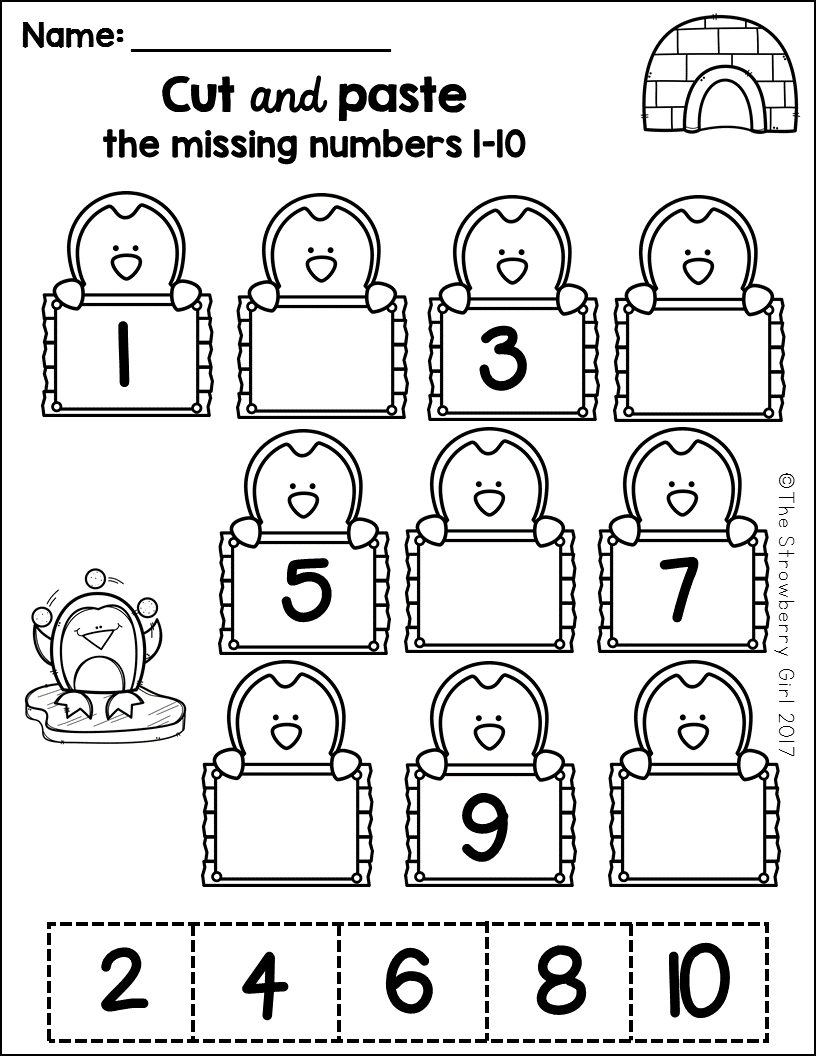
The typical structure of these worksheets is designed to maximize engagement and comprehension. Core Exercises: These worksheets often begin with basic problems designed to reinforce essential concepts. For example, a worksheet focused on addition might include simple equations that require calculating sums. Interactive Elements: The defining feature is the integration of cut-and-paste components. This could involve matching problems with their solutions, completing number sequences by pasting missing elements, or assembling geometrical shapes. This interactive approach is key to engaging visual and kinesthetic learners. Progressive Difficulty: Worksheets often follow a graduated level of difficulty, starting with easier exercises and progressing to more challenging ones. This helps build confidence as learners master each stage. Clear Instructions: Each activity is presented with clear, concise instructions, ensuring that learners understand what is expected of them. This reduces frustration and encourages independent learning. The layout prioritizes clarity, using ample whitespace to prevent visual clutter and facilitate focus.
Tips and Complementary Resources
Effective utilization of these worksheets hinges on consistent and focused practice. Daily Practice Tips: Incorporating brief, regular sessions is more effective than infrequent, lengthy ones. Dedicate 15-20 minutes each day to completing a section of the worksheet. Positive reinforcement is essential; celebrate successes and provide constructive feedback to encourage continued effort. Pairing with Other Resources: Consider supplementing worksheet activities with real-world examples. For instance, when learning about fractions, use physical objects like pizzas or pies to demonstrate the concept. Online educational games and interactive simulations can also complement the learning experience, providing a dynamic and engaging way to reinforce learned concepts. Integrating these resources with traditional textbooks or online tutorials can provide a multifaceted approach to mathematical education. Always adjust the difficulty and complexity of the tasks to the individual’s learning level, ensuring that it remains both challenging and attainable.
Conclusion
In summary, worksheets incorporating cutting and pasting activities offer a dynamic and engaging method to reinforce mathematical concepts. These resources cater to diverse learning styles, providing a hands-on approach that complements traditional instruction. The interactive nature of these worksheets encourages active participation, transforming abstract mathematical ideas into tangible tasks. Their benefits extend beyond mere academic performance, fostering critical thinking skills, spatial reasoning, and fine motor coordination. Immediate implementation of these worksheets, combined with consistent practice and positive reinforcement, can lead to significant improvements in mathematical understanding and confidence. Consider supplementing these resources with other engaging tools such as educational games, interactive simulations, or real-world examples to create a comprehensive and effective learning experience. Exploring related materials, such as interactive notebooks or online math tutorials, can further enhance and solidify mathematical knowledge. The active engagement fostered by these worksheets transforms the learning process into an enjoyable and effective experience.
Worksheet Previews & Reference Materials



Developmental Milestone & Activity Table
| Development Stage | Recommended Daily Duration | Primary Learning Objective |
|---|---|---|
| Preschool & Pre-K | 10 – 15 Minutes | Pencil grip development & basic pre-stroke lines |
| Kindergarten | 15 – 20 Minutes | Letter/number formation & spatial line awareness |
| Early Elementary (Grade 1–2) | 20 – 30 Minutes | Fluency, sentence construction & neatness |
Images References :
Discover more printable learning activities by visiting our full Fun and Seasonal Math Worksheets archive for teachers, homeschoolers, and parents.


