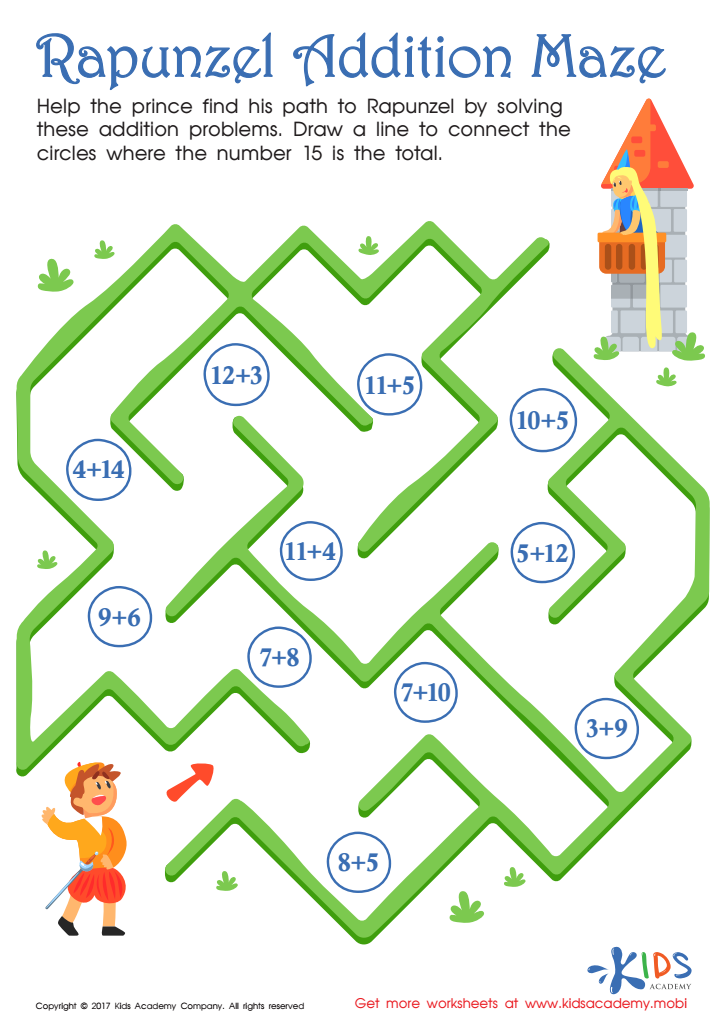
Introduction and Importance of math playground worksheets
Worksheets designed for interactive mathematical practice serve as invaluable tools in bolstering understanding and proficiency across various mathematical concepts. Their significance stems from the ability to provide structured practice, reinforcing learned material in an engaging format. Whether utilized in a classroom setting, as part of homeschooling curriculum, or for independent study, these resources offer personalized learning experiences tailored to individual needs. The provision of immediate feedback facilitates a deeper comprehension of errors and encourages self-correction. Furthermore, the interactive nature of many of these resources can significantly enhance motivation, making the learning process more enjoyable and less daunting. The capacity to revisit and rework problems contributes to the solidification of knowledge, transforming passive learning into active engagement with mathematical principles. Ultimately, well-designed practice sheets support the development of critical thinking and problem-solving skills, preparing learners for more advanced mathematical challenges. They contribute to building a solid foundation in mathematics.
💡 Educational Key Takeaways:
- Core Skill: Structured Math Playground Worksheets focused on developing pencil grip, stroke control, and early literacy/math confidence.
- Target Scope: Suited for homeschoolers, preschool, kindergarten, and elementary learners.
- Best Recommendation: Practice 10–15 minutes daily with ergonomic writing tools to reinforce muscle memory without hand fatigue.
Structure and How It Works
These educational sheets commonly feature a variety of sections designed to cater to different learning styles and mathematical areas. The layout is generally structured to progress from basic concepts to more complex problems, allowing for a gradual increase in difficulty. Core Exercises: These often form the bulk of the resource, focusing on specific skills like addition, subtraction, multiplication, division, fractions, decimals, or geometry. Problems are typically presented in a clear and concise manner, enabling focused practice. Interactive Elements: Many worksheets incorporate interactive components, such as drag-and-drop activities, multiple-choice questions, or fill-in-the-blanks, adding an element of gamification to enhance engagement. Challenge Problems: These sections offer more complex and open-ended questions, encouraging critical thinking and application of learned concepts. Additional features might include visual aids like diagrams and charts to support understanding, as well as answer keys for self-assessment. The overall structure aims to provide a comprehensive and engaging learning experience, supporting both conceptual understanding and skill development.
Tips and Complementary Resources
To maximize the effectiveness of using mathematical practice materials, several strategies can be employed. Daily Practice Tips: Regular, short sessions are often more effective than infrequent, lengthy ones. Focusing on specific concepts each day can help reinforce learning. It is beneficial to encourage learners to show their work, facilitating the identification of errors and promoting a deeper understanding of the problem-solving process. Pairing with Other Resources: Combining these sheets with other educational resources can further enhance the learning experience. Online tutorials, video lessons, and textbooks can provide additional explanations and examples. Engaging in collaborative learning with peers or seeking guidance from a teacher or tutor can also be valuable. Furthermore, real-world applications of mathematical concepts can help to contextualize learning and increase relevance. For example, measuring ingredients while baking or calculating the cost of items at a store. The integration of these various approaches can create a more holistic and effective learning environment.
Conclusion
In summary, thoughtfully designed worksheets aimed at fostering mathematical skills provide a structured and engaging pathway to enhance understanding and proficiency. Their ability to offer targeted practice, immediate feedback, and interactive elements makes them a valuable asset for learners of all ages and backgrounds. By incorporating these resources into a learning routine, individuals can strengthen their foundational knowledge, improve problem-solving abilities, and develop a greater appreciation for the world of mathematics. The advantages span from aiding in skill development at home and complementing classroom learning to facilitating self-directed study, ensuring a flexible and personalized learning experience. Embracing these resources and utilizing them strategically can pave the way for mathematical success and foster a lifelong love of learning. For further exploration, consider supplementing with related materials that offer unique problem-solving situations, interactive puzzles or engaging mathematical games.
Developmental Milestone & Activity Table
| Development Stage | Recommended Daily Duration | Primary Learning Objective |
|---|---|---|
| Preschool & Pre-K | 10 – 15 Minutes | Pencil grip development & basic pre-stroke lines |
| Kindergarten | 15 – 20 Minutes | Letter/number formation & spatial line awareness |
| Early Elementary (Grade 1–2) | 20 – 30 Minutes | Fluency, sentence construction & neatness |
Images References :
Discover more printable learning activities by visiting our full Fun and Seasonal Math Worksheets archive for teachers, homeschoolers, and parents.