Introduction and Importance
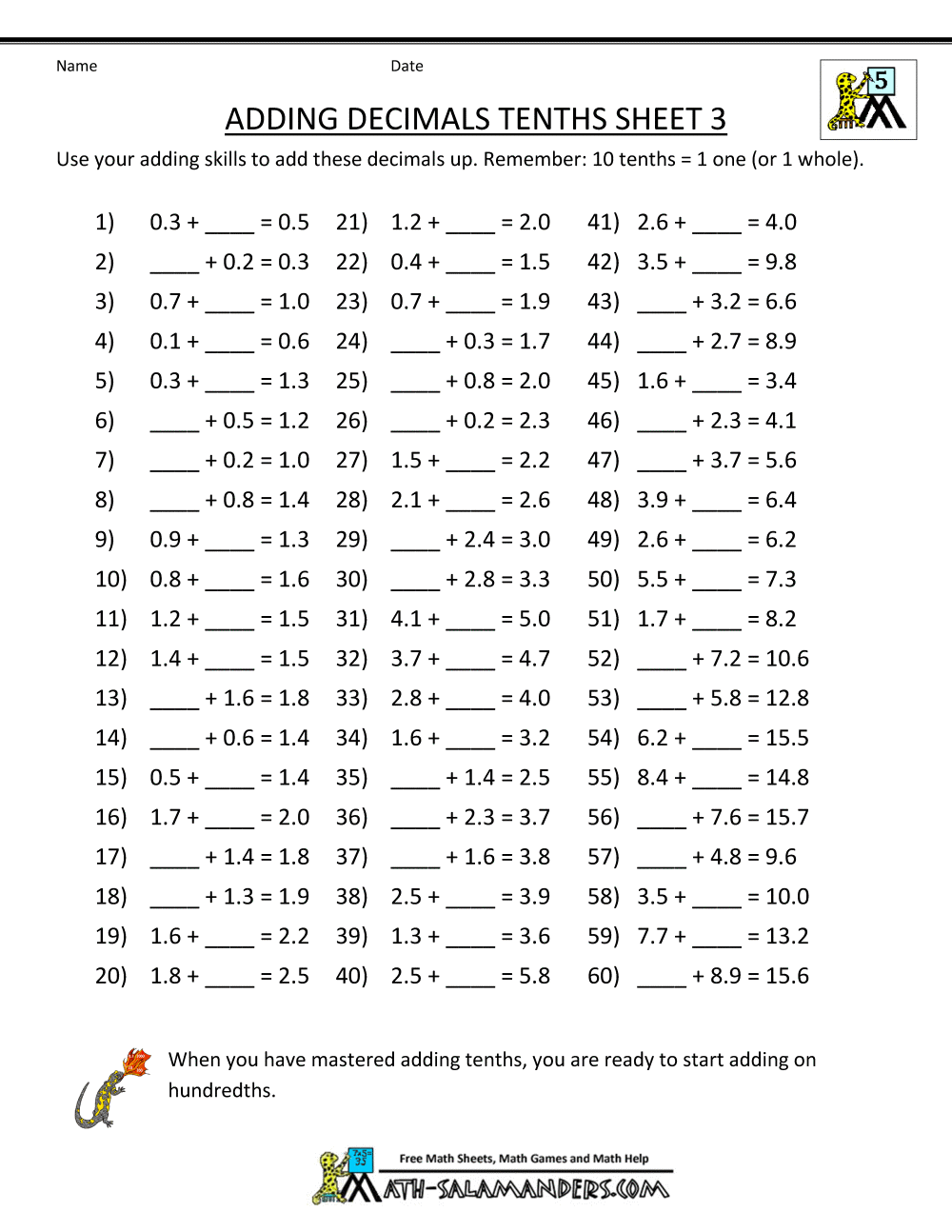
Developing foundational number sense is crucial for early mathematical proficiency. Activities that reinforce the association between numerical symbols and their corresponding quantities are invaluable in this process. Worksheets designed for this purpose serve as effective tools for children to grasp fundamental mathematical concepts. They aid in visual discrimination, number recognition, and the development of one-to-one correspondence skills, which are essential for understanding addition, subtraction, and more advanced operations later on. These materials can be effectively integrated into both classroom instruction and home-based learning environments, providing structured practice that complements theoretical lessons. The accessibility and simplicity of such exercises make them a versatile resource for educators and parents seeking to support a childs mathematical journey. Moreover, they offer a concrete, hands-on approach that caters to diverse learning styles, enhancing engagement and promoting a deeper understanding of numerical relationships. The benefits extend beyond mere memorization, fostering a genuine comprehension of quantity and order.
💡 Educational Key Takeaways:
- Core Skill: Structured Matching Number Worksheets focused on developing pencil grip, stroke control, and early literacy/math confidence.
- Target Scope: Suited for homeschoolers, preschool, kindergarten, and elementary learners.
- Best Recommendation: Practice 10–15 minutes daily with ergonomic writing tools to reinforce muscle memory without hand fatigue.
Structure and How It Works
A typical worksheet of this nature presents a series of number symbols alongside corresponding sets of objects or illustrations. The core objective is to visually connect each numeral with the group containing the same number of items. Core Exercises: The exercises often feature rows of numbers paired with columns of images. Children are instructed to draw lines connecting each numeral to the matching image representing the same quantity. Variations may include circling the correct image among several options or coloring in the matching number of items. These activities reinforce the concept of quantity and number representation. Interactive Elements: Some variations incorporate interactive elements such as tracing numbers, completing number sequences, or filling in missing numbers in a series. These additional activities further solidify number recognition and counting skills. Worksheets may also present numbers in different formats, such as written number words (e.g., “one,” “two,” “three”) to reinforce the connection between numerical symbols and their corresponding names. This multi-faceted approach ensures that the learning experience is comprehensive and engaging, catering to different learning preferences and reinforcing key numerical concepts.
Tips and Complementary Resources
Effective utilization of these educational tools can significantly enhance a child’s mathematical aptitude. Implementing strategic approaches can maximize the learning potential derived from each exercise. Daily Practice Tips: Consistent, short practice sessions are more effective than infrequent, long sessions. Dedicate a few minutes each day to reviewing numerical concepts and completing a small section of the worksheet. This helps reinforce the concepts without overwhelming the child. Pairing with Other Resources: Enhance the learning experience by integrating these worksheets with other educational resources such as number blocks, counting bears, or online math games. This multi-sensory approach provides a more holistic understanding of numerical concepts. Utilize real-world examples to illustrate the application of numbers in everyday life. Count objects around the house, measure ingredients while cooking, or play number-based games during playtime. This contextualizes the learning process and makes it more meaningful and relatable for children.
Conclusion
Engaging with thoughtfully designed exercises to connect numbers with their corresponding quantities is a highly effective way to build a strong mathematical foundation. These resources offer a simple yet powerful method for young learners to develop essential skills in number recognition, counting, and quantity association. The consistent use of these materials can foster a deeper comprehension of numerical concepts, preparing children for more advanced mathematical studies. This proactive approach to early math education can significantly boost a child’s confidence and enthusiasm for learning. Consider exploring related resources such as number flashcards, online counting games, or interactive math apps to further supplement the learning experience. By creating a comprehensive and engaging learning environment, children will develop a solid understanding of mathematical principles that will benefit them throughout their academic journey. Start using these resources today and witness the positive impact they have on a child’s mathematical development.
Developmental Milestone & Activity Table
| Development Stage | Recommended Daily Duration | Primary Learning Objective |
|---|---|---|
| Preschool & Pre-K | 10 – 15 Minutes | Pencil grip development & basic pre-stroke lines |
| Kindergarten | 15 – 20 Minutes | Letter/number formation & spatial line awareness |
| Early Elementary (Grade 1–2) | 20 – 30 Minutes | Fluency, sentence construction & neatness |
Images References :
Discover more printable learning activities by visiting our full Fun and Seasonal Math Worksheets archive for teachers, homeschoolers, and parents.