Introduction and Importance of math word problems printable
Mathematical literacy extends beyond mere computation; it necessitates the ability to apply mathematical principles to real-world scenarios. A critical tool for fostering this application is the readily available collection of exercises designed to translate abstract concepts into tangible situations. These resources, often found online or in educational materials, bridge the gap between theoretical knowledge and practical problem-solving. Using these worksheets is beneficial in multiple educational settings. They provide a structured way for educators to supplement their lessons and assess students’ understanding. At home, they offer parents the opportunity to engage with their children’s learning and reinforce key concepts. For self-study, these resources are invaluable for independent learners seeking to solidify their grasp of mathematical applications. The practice they provide ensures improved comprehension, critical thinking abilities, and enhanced performance in mathematics, cultivating not just competent calculators but also effective problem-solvers.
💡 Educational Key Takeaways:
- Core Skill: Structured Math Word Problems Printable focused on developing pencil grip, stroke control, and early literacy/math confidence.
- Target Scope: Suited for homeschoolers, preschool, kindergarten, and elementary learners.
- Best Recommendation: Practice 10–15 minutes daily with ergonomic writing tools to reinforce muscle memory without hand fatigue.
Structure and How It Works
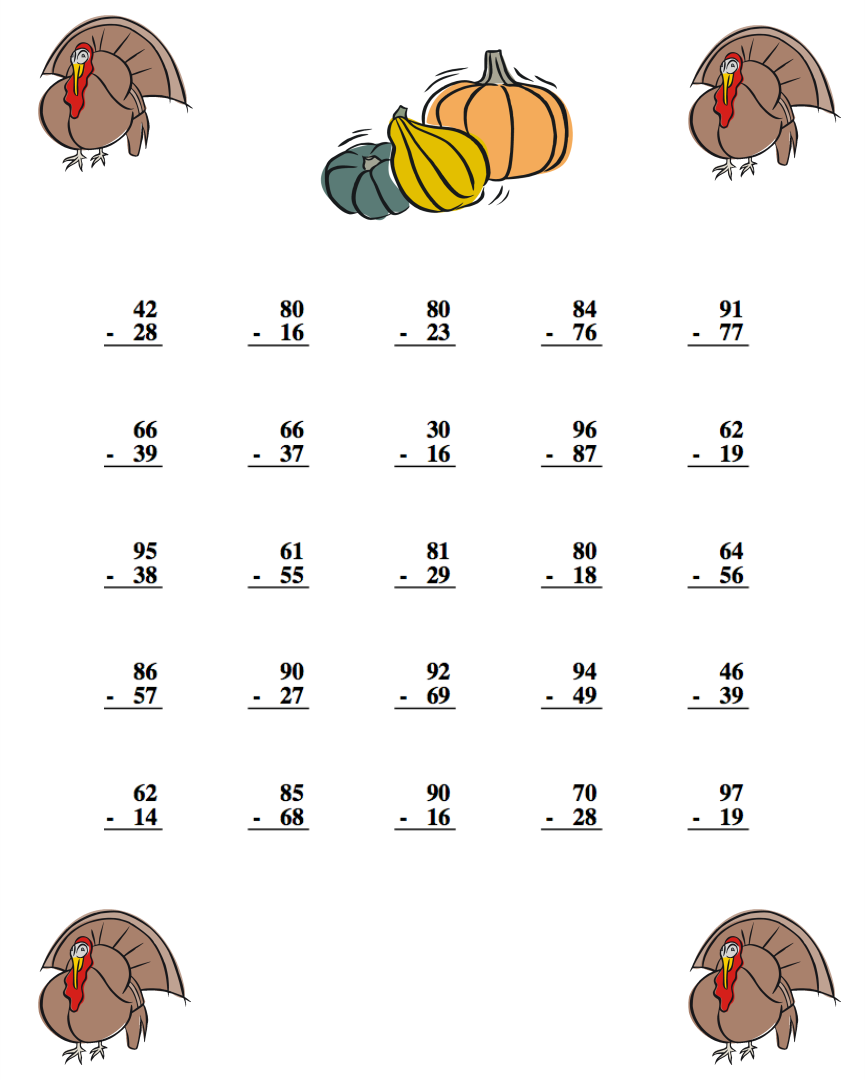
A typical worksheet of this nature commonly features a variety of word problems, each designed to target specific mathematical skills and concepts. The layout often includes a clear and concise presentation of each problem, followed by ample space for the learner to work through the solution. Core Exercises: The main section usually contains a series of questions that require the application of addition, subtraction, multiplication, division, fractions, decimals, percentages, or a combination thereof. The complexity of these problems gradually increases, building the learner’s confidence and competence. Interactive Elements: Many modern worksheets incorporate interactive elements, such as visual aids or real-world scenarios, to enhance engagement and make the learning process more relatable. Some might also include answer keys for self-assessment or detailed solution explanations for guided learning. These resources also facilitate a personalized learning journey. Educators and learners can select worksheets that align with specific skill levels or areas requiring improvement, ensuring targeted practice and effective learning outcomes.
Tips and Complementary Resources
To maximize the benefits derived from working with these exercises, a strategic approach is recommended. Daily Practice Tips: Regular, short sessions are more effective than infrequent, lengthy ones. Encourage the learner to read each problem carefully, identify the relevant information, and formulate a plan before attempting to solve it. Highlighting key phrases and rewriting the problem in their own words can aid understanding. Pairing with Other Resources: These exercises can be effectively combined with other learning materials, such as textbooks, online tutorials, and educational games. Supplementing the practice with visual aids, like diagrams or charts, can further enhance comprehension. Working collaboratively with peers or seeking assistance from educators can also provide valuable insights and alternative problem-solving strategies. Remember to focus on the process of problem-solving rather than solely on obtaining the correct answer. Understanding the underlying mathematical principles is crucial for long-term retention and application.
Conclusion
The skillful application of mathematics in practical situations is an essential skill applicable far beyond the classroom. Exercises centered around real-world scenarios offer a readily accessible and highly effective means of developing this proficiency. The value of these problem sets extends from supporting formal education to facilitating independent learning, providing structured opportunities to practice and reinforce mathematical concepts. By consistently engaging with such resources, learners can cultivate improved problem-solving skills, strengthen their mathematical foundation, and gain the confidence to tackle challenges in everyday life. These tools are not merely collections of exercises but rather pathways to mathematical fluency and a deeper appreciation for the relevance of mathematical principles. Supplement your learning journey with related resources like online math games, instructional videos, or interactive simulations to further solidify understanding. Embrace the opportunity to transform abstract concepts into tangible skills.
Developmental Milestone & Activity Table
| Development Stage | Recommended Daily Duration | Primary Learning Objective |
|---|---|---|
| Preschool & Pre-K | 10 – 15 Minutes | Pencil grip development & basic pre-stroke lines |
| Kindergarten | 15 – 20 Minutes | Letter/number formation & spatial line awareness |
| Early Elementary (Grade 1–2) | 20 – 30 Minutes | Fluency, sentence construction & neatness |
Images References :
Discover more printable learning activities by visiting our full Fun and Seasonal Math Worksheets archive for teachers, homeschoolers, and parents.