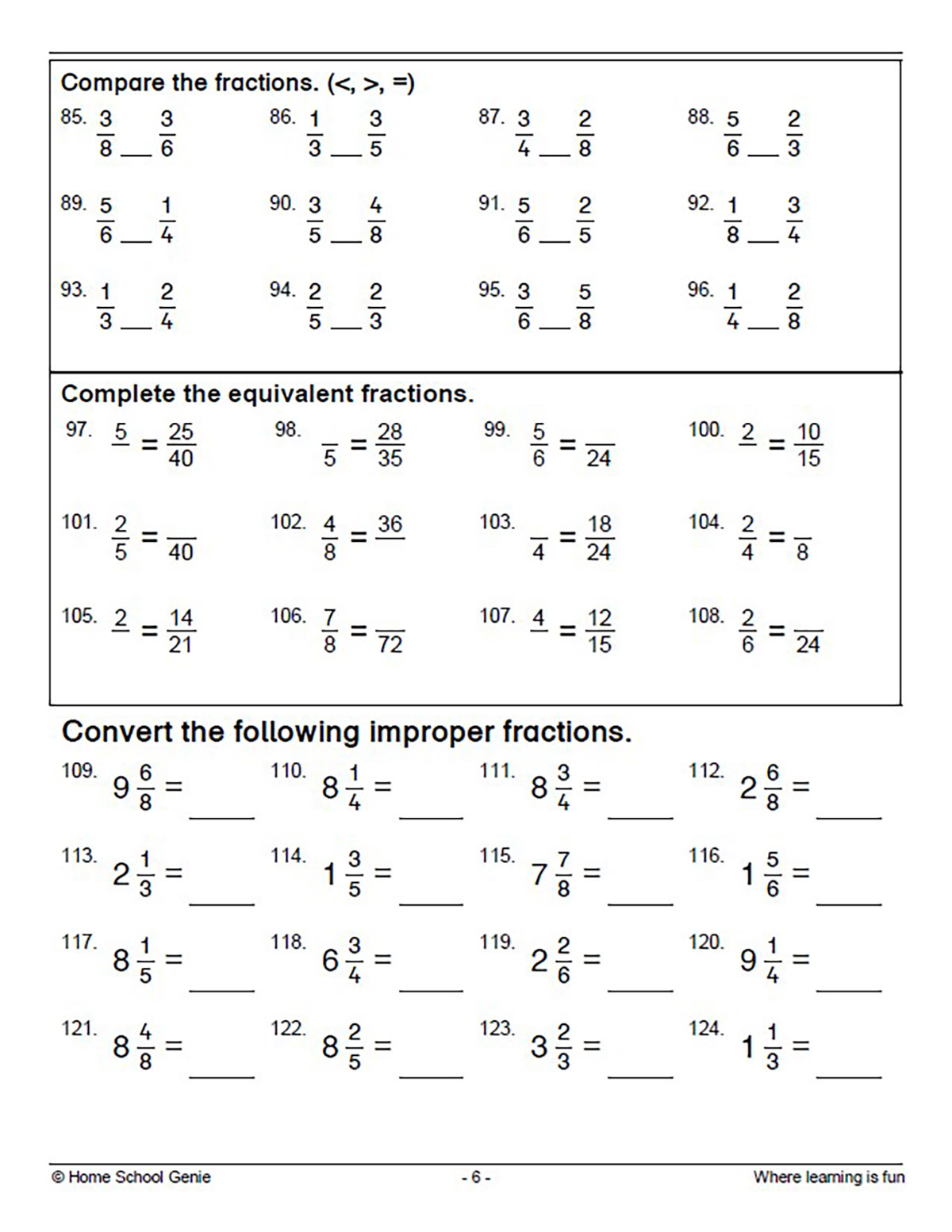
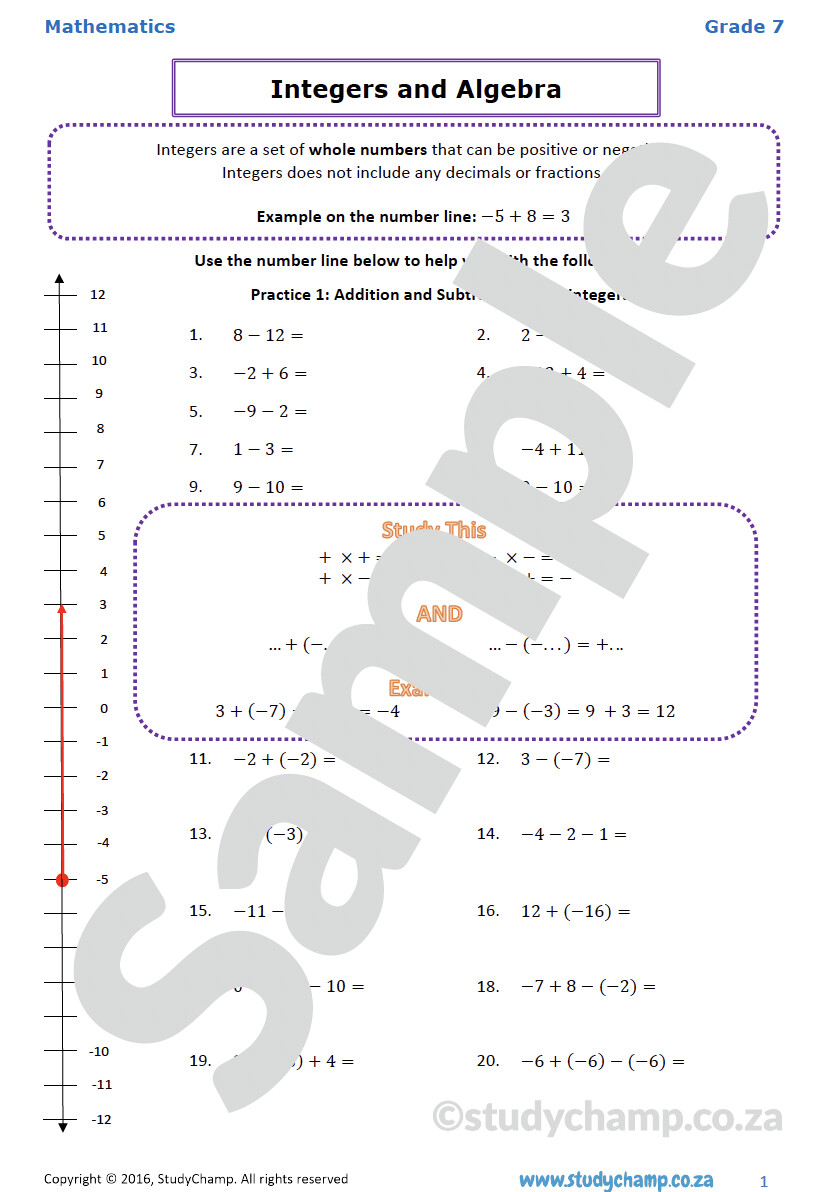
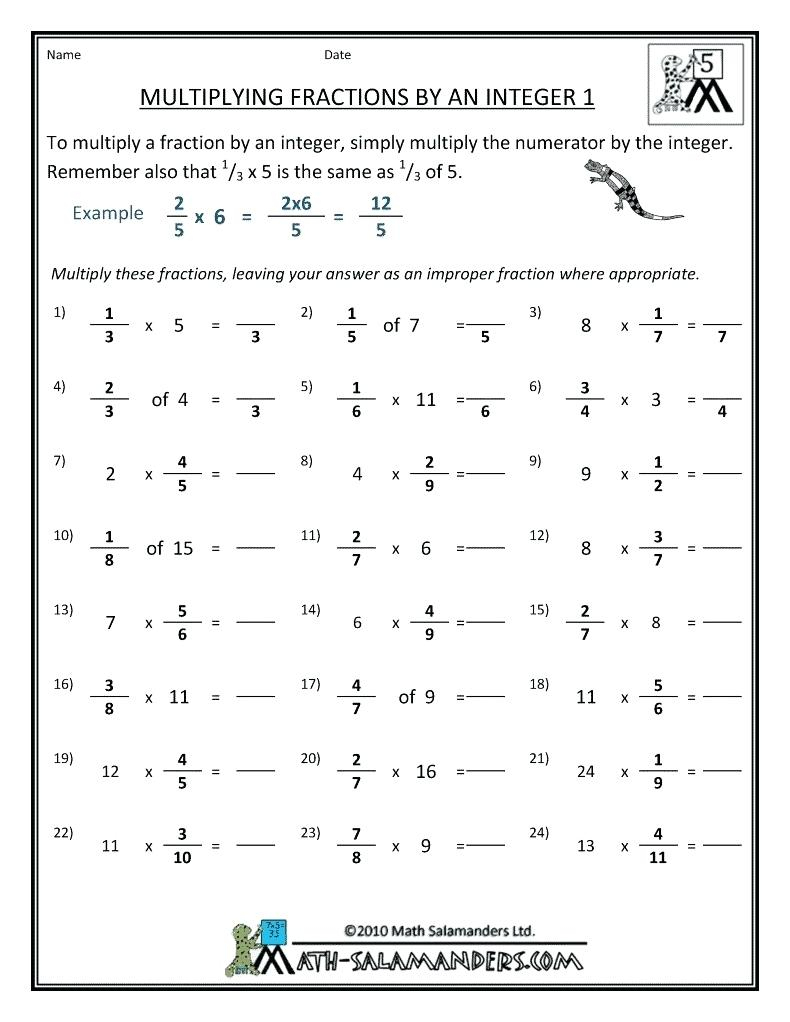
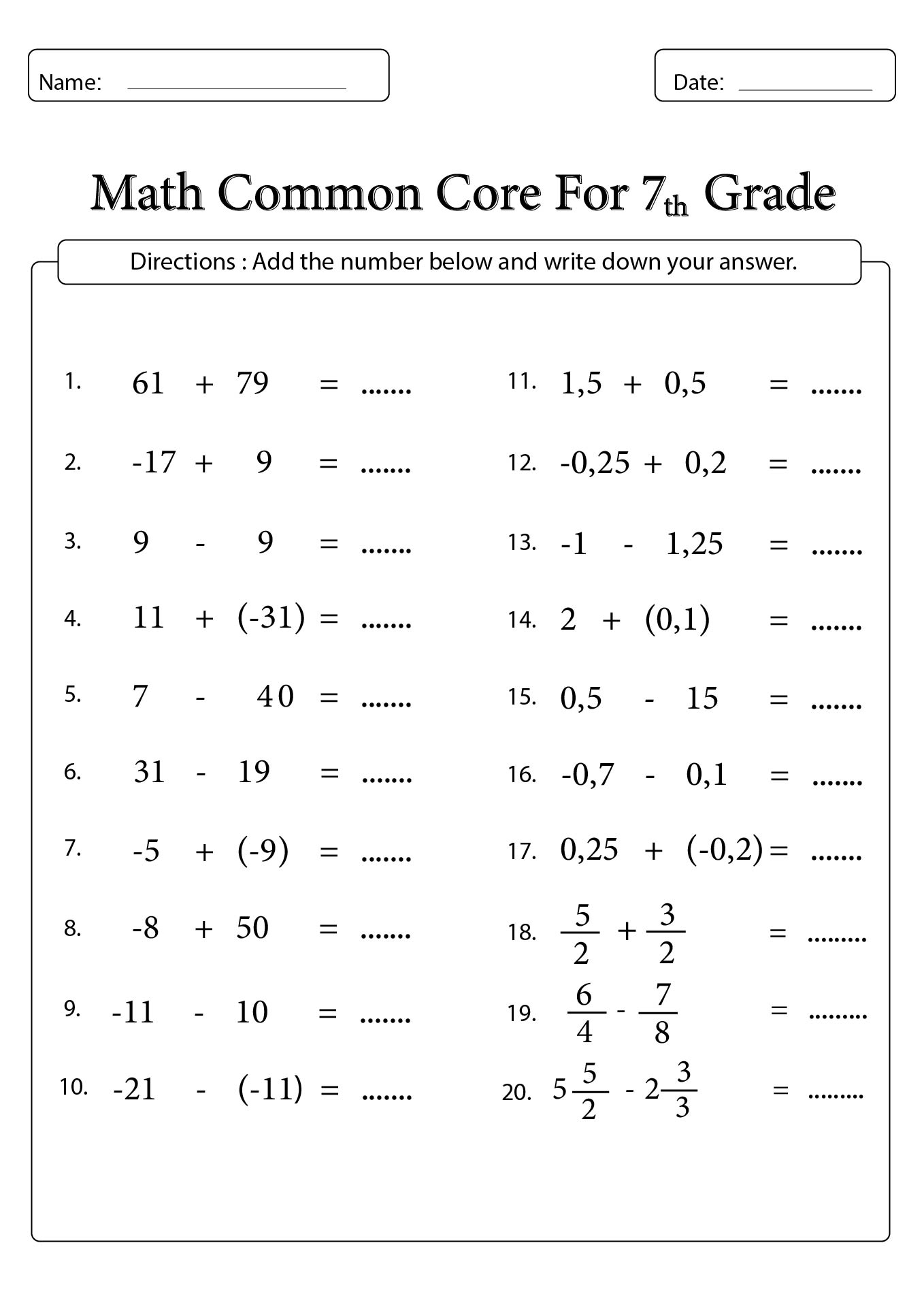
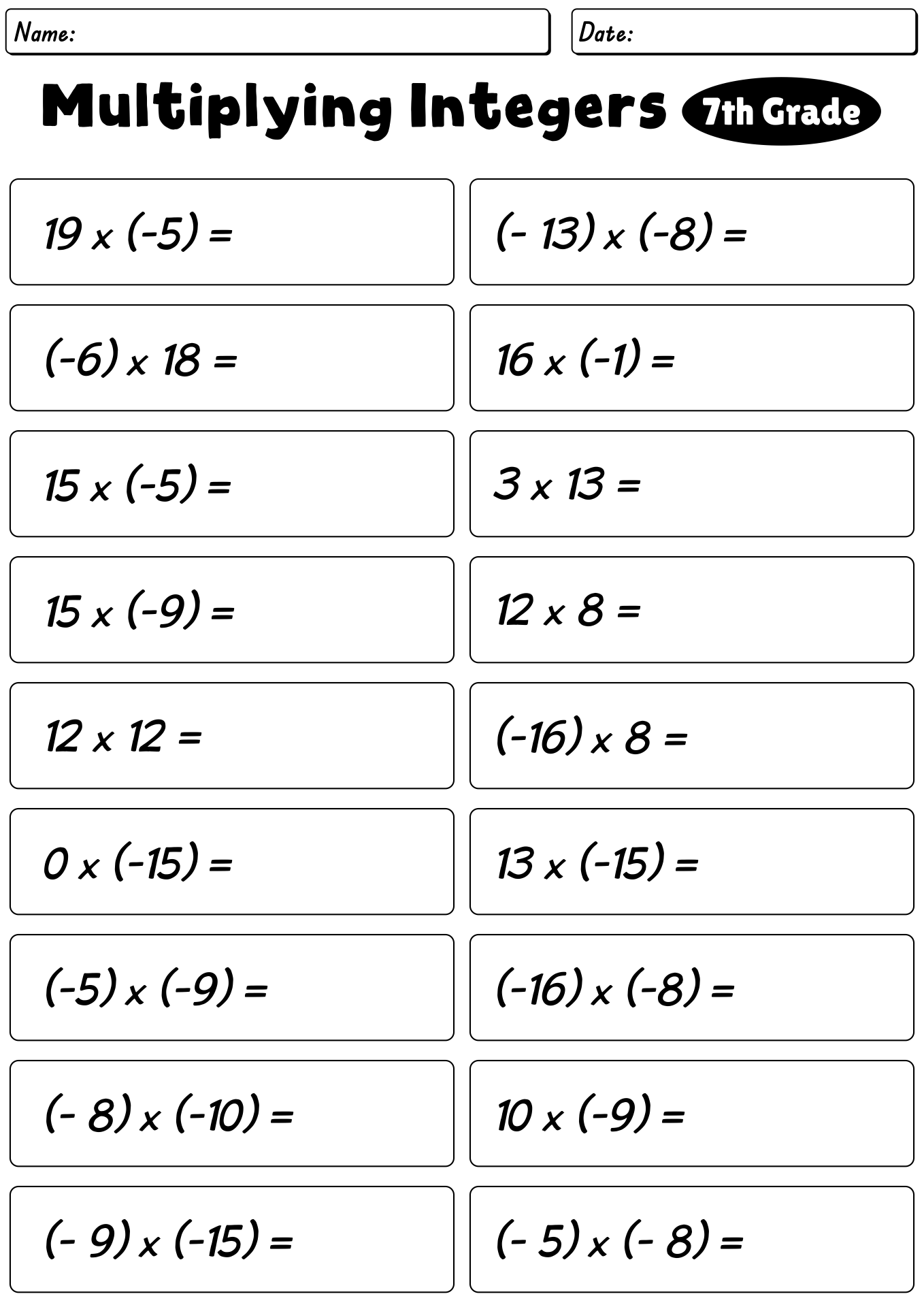
The transition into Grade 7 mathematics marks a crucial period for developing advanced analytical skills and solidifying foundational knowledge. Mastering the concepts introduced at this stage is essential for future academic success in more complex mathematical domains. Engaging with structured practice materials is a highly effective method to reinforce classroom learning, identify areas requiring further attention, and build confidence in tackling diverse mathematical problems. These comprehensive learning resources, complete with solutions, provide an invaluable tool for students aiming to achieve proficiency and excellence in their mathematical journey. Explore more in our Math Worksheets collection.
💡 Educational Key Takeaways:
- Core Skill: Structured Grade 7 Maths Worksheets With Answers Pdf focused on developing pencil grip, stroke control, and early literacy/math confidence.
- Target Scope: Suited for homeschoolers, preschool, kindergarten, and elementary learners.
- Best Recommendation: Practice 10–15 minutes daily with ergonomic writing tools to reinforce muscle memory without hand fatigue.
Utilizing well-designed practice sets offers numerous advantages for students. They facilitate the development of problem-solving abilities through repeated exposure to various question formats and difficulty levels. The immediate availability of solutions allows for self-assessment, enabling students to check their work, understand correct methodologies, and learn from any errors independently. This self-correcting mechanism fosters critical thinking and promotes a deeper understanding of mathematical principles, moving beyond mere memorization. Consistent engagement with these materials also aids in building study discipline and independent learning habits, crucial skills for lifelong academic pursuits. For more related activities, check out our Math Problems To Solve With Answers.
Typically, these structured math practice documents encompass a broad range of topics central to the Grade 7 curriculum. This includes operations with integers, rational numbers (fractions and decimals), algebraic expressions and equations, ratios, proportions, percentages, geometry (angles, area, volume), and an introduction to probability and statistics. The questions are often varied, incorporating multiple-choice questions, fill-in-the-blanks, detailed calculation problems, and real-world word problems designed to apply theoretical knowledge to practical scenarios. Each problem set is meticulously paired with comprehensive answers, illustrating the step-by-step process where applicable, ensuring clarity and aiding comprehension. Discover more free resources across our collection library.
To maximize the benefits derived from these learning aids, a methodical approach is recommended. First, it is advisable to attempt all problems within a section independently, without consulting the solutions. This simulates an examination environment and provides an honest assessment of current understanding. Once all questions have been tackled, the provided solutions should be used to carefully review each answer. For any incorrect responses, it is imperative to analyze the correct solution to understand where the misunderstanding occurred, rather than simply noting the right answer. Revisiting relevant textbook sections or class notes for concepts that remain unclear after review can also be highly beneficial. Regular, consistent practice, rather than last-minute cramming, yields the most sustainable learning outcomes.
Beyond the direct engagement with these specific practice materials, several supplementary strategies can enhance the learning experience. Establishing a dedicated study schedule and a quiet study environment can significantly improve focus and retention. Breaking down complex problems into smaller, manageable steps can make daunting tasks more approachable. Collaborative learning, where students discuss challenging problems with peers, can also offer new perspectives and deepen understanding. Furthermore, exploring related online tutorials, educational videos, or supplementary textbooks can provide alternative explanations and consolidate learning. The journey through mathematics is continuous, and leveraging diverse resources ensures a robust grasp of concepts.
In conclusion, these readily available mathematics practice resources complete with solutions are indispensable tools for Grade 7 students. They offer a systematic pathway to strengthen mathematical skills, foster independent learning, and cultivate a confident approach to problem-solving. By consistently utilizing these materials, students can reinforce their understanding of key concepts, track their progress effectively, and prepare thoroughly for academic challenges. It is highly encouraged to integrate these valuable practice sets into a regular study routine and to explore additional related educational content to cultivate a comprehensive and lasting mastery of mathematics.
Developmental Milestone & Activity Table
| Development Stage | Recommended Daily Duration | Primary Learning Objective |
|---|---|---|
| Preschool & Pre-K | 10 – 15 Minutes | Pencil grip development & basic pre-stroke lines |
| Kindergarten | 15 – 20 Minutes | Letter/number formation & spatial line awareness |
| Early Elementary (Grade 1–2) | 20 – 30 Minutes | Fluency, sentence construction & neatness |
Images References