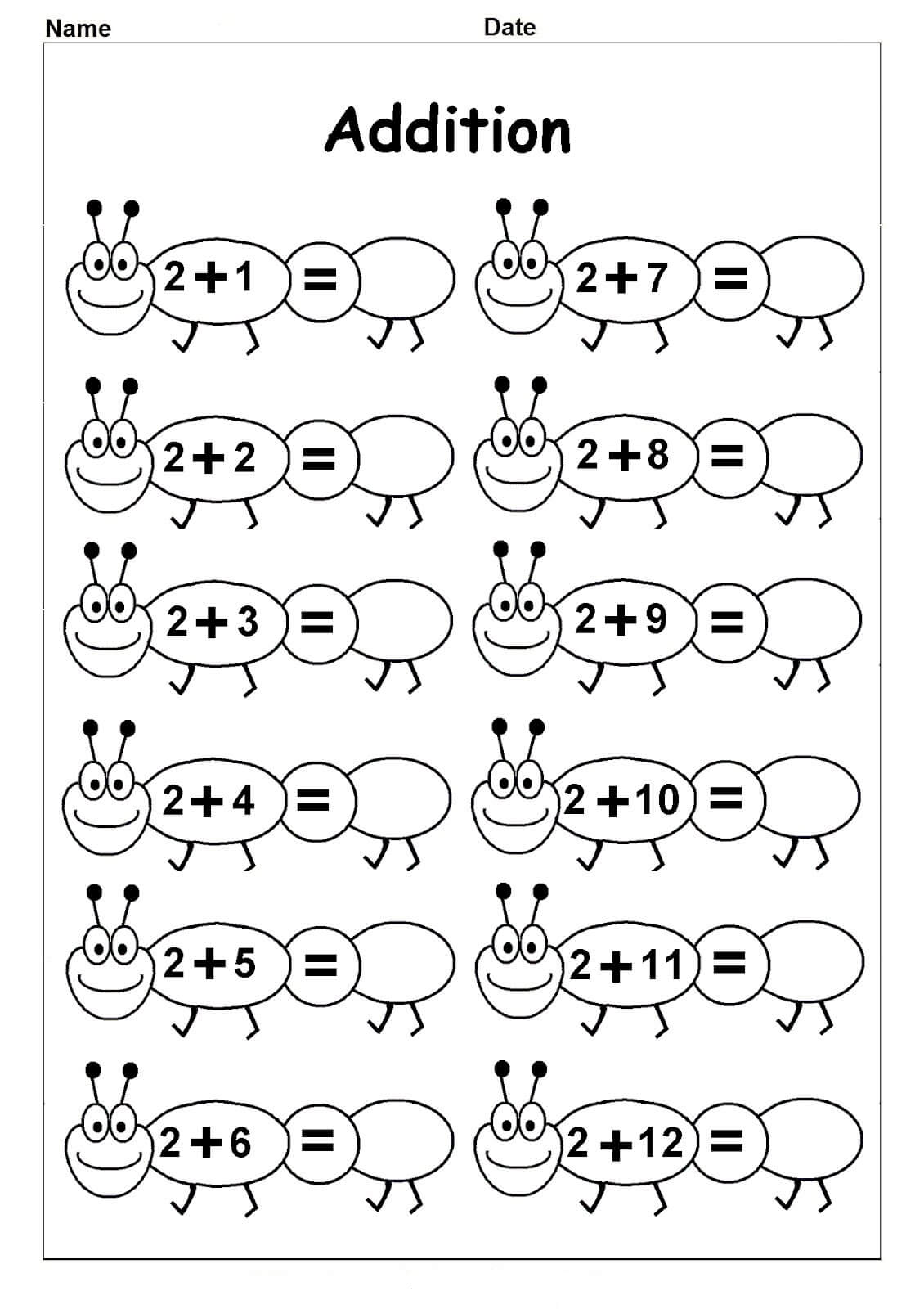
The transition to middle school mathematics introduces a wider array of concepts and problem-solving strategies. Engaging with dedicated practice materials for this academic level is instrumental in solidifying understanding and building confidence. These instructional sheets serve as a vital tool, bridging the gap between classroom instruction and independent mastery. Consistent application of these learning resources significantly enhances a student’s ability to navigate complex mathematical challenges, laying a strong foundation for future academic success. Explore more in our Math Worksheets category.
💡 Educational Key Takeaways:
- Core Skill: Structured 7th Grade Math Worksheets focused on developing pencil grip, stroke control, and early literacy/math confidence.
- Target Scope: Suited for homeschoolers, preschool, kindergarten, and elementary learners.
- Best Recommendation: Practice 10–15 minutes daily with ergonomic writing tools to reinforce muscle memory without hand fatigue.
Utilizing these comprehensive problem sets offers numerous educational advantages. They provide an opportunity for students to reinforce algebraic thinking, explore geometric principles, deepen their understanding of number systems, and develop data analysis skills. The structured practice aids in identifying specific areas where a student might need additional support, allowing for targeted review and improved comprehension. Furthermore, regular engagement with these mathematical exercises fosters critical thinking, problem-solving dexterity, and perseverance, all while boosting a student’s overall confidence in their mathematical capabilities. Related guide: Mental Math Exercises.
Typically, practice sheets designed for middle school mathematics are structured to cover a wide range of topics pertinent to the curriculum. Content may include operations with integers, rational numbers, ratios, proportions, percentages, solving linear equations and inequalities, understanding angles and shapes, calculating area and volume, probability, and statistics. Problems are often presented in various formats, such as multiple-choice questions, fill-in-the-blank exercises, computational problems, and real-world word problems. This varied approach ensures a holistic review of concepts and prepares students for diverse assessment styles. Browse more guides on Cheap Worksheets.
To maximize the effectiveness of these educational tools, a structured approach is recommended. Begin by reviewing the relevant concepts before attempting the problems. Work through each exercise systematically, showing all steps of the solution process; this helps in tracking thought processes and identifying errors. After completing a section or the entire sheet, carefully check answers against provided solutions, if available. For incorrect answers, meticulously review the steps taken to understand where the mistake occurred. The focus should be on learning from errors rather than simply getting the right answer, fostering a deeper understanding of the material.
Beyond the immediate practice, several supplementary strategies can further enhance learning. Establishing a regular schedule for engaging with these practice sets helps maintain consistency and prevents knowledge gaps. Seeking clarification from an instructor or peer when encountering particularly challenging problems is highly beneficial. Exploring related online tutorials, educational videos, or interactive simulations can provide alternative explanations and perspectives. Additionally, cross-referencing concepts with textbooks or other supplementary materials ensures a well-rounded and comprehensive understanding of each mathematical topic.
In conclusion, dedicated practice materials tailored for seventh-grade mathematics are indispensable resources for academic growth. Their systematic design supports concept reinforcement, skill development, and increased confidence in mathematical abilities. Consistent engagement with these learning aids offers a clear pathway to mastering key concepts and excelling in middle school mathematics. Active utilization of these problem sets is strongly encouraged to foster a robust understanding and appreciation for the subject.
Developmental Milestone & Activity Table
| Development Stage | Recommended Daily Duration | Primary Learning Objective |
|---|---|---|
| Preschool & Pre-K | 10 – 15 Minutes | Pencil grip development & basic pre-stroke lines |
| Kindergarten | 15 – 20 Minutes | Letter/number formation & spatial line awareness |
| Early Elementary (Grade 1–2) | 20 – 30 Minutes | Fluency, sentence construction & neatness |