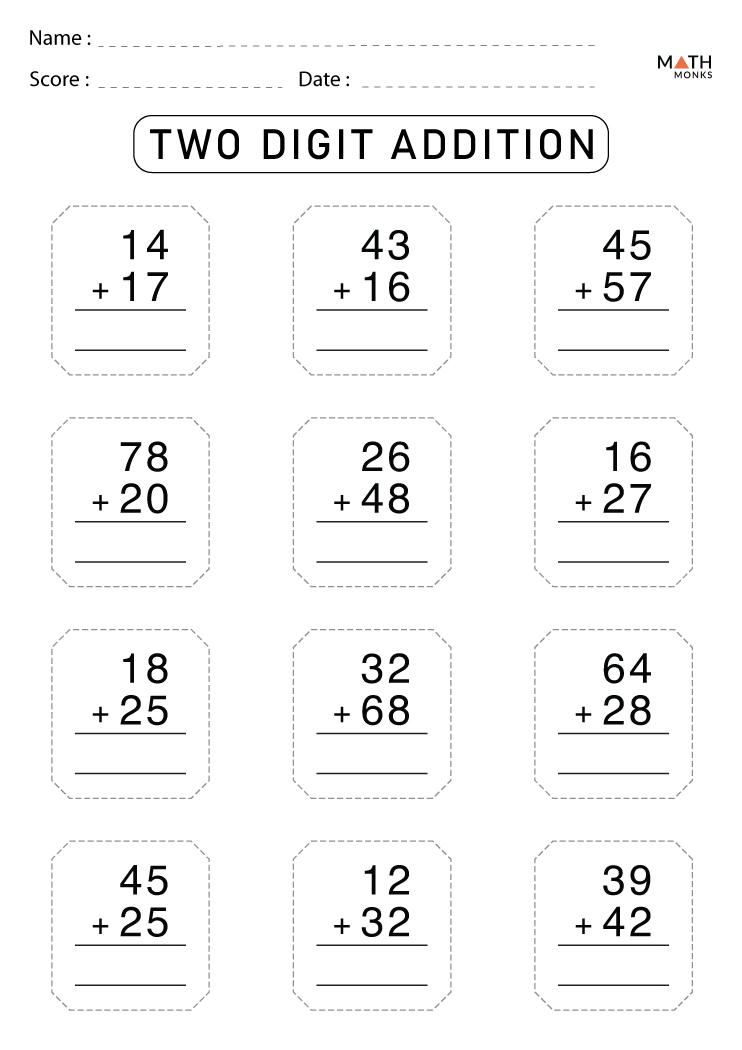
Introduction and Importance of Math Flashcards
Mathematics proficiency hinges on a solid grasp of fundamental arithmetic operations and concepts. One effective tool in building this foundation is the utilization of printable math aids designed for repetitive practice. These resources provide a structured method for learners to memorize essential facts and develop quick recall abilities. The benefits extend beyond the classroom, offering an accessible and cost-effective way for parents to supplement their childrens education at home. Regular engagement with these aids helps to boost confidence, reduce math anxiety, and improve overall academic performance. The portability of printed versions allows for learning opportunities in various settings, transforming downtime into productive study sessions. By fostering automaticity in basic calculations, these tools free up cognitive resources for tackling more complex mathematical problems. Ultimately, these printable resources are an invaluable asset in cultivating mathematical fluency and setting the stage for advanced learning.
💡 Educational Key Takeaways:
- Core Skill: Structured Math Flashcards Printable focused on developing pencil grip, stroke control, and early literacy/math confidence.
- Target Scope: Suited for homeschoolers, preschool, kindergarten, and elementary learners.
- Best Recommendation: Practice 10–15 minutes daily with ergonomic writing tools to reinforce muscle memory without hand fatigue.
Structure and How It Works
These educational printables are generally organized to facilitate progressive learning and skill reinforcement. They typically feature a question or problem on one side and the corresponding answer on the reverse. This design encourages self-testing and immediate feedback. Core Exercises: Most sets focus on addition, subtraction, multiplication, and division, presenting a range of problems within each operation. Some sets also incorporate more advanced topics such as fractions, decimals, or basic algebra. The presentation can vary from simple equations (e.g., 3 + 5 = ?) to word problems that require critical thinking alongside numerical calculation. Interactive Elements: Some may include visual aids like number lines or diagrams to support understanding. The design often prioritizes clarity and readability, with large fonts and ample space to prevent visual clutter. Certain printable versions can be customized, allowing educators or parents to tailor the content to specific learning needs or target areas of weakness. The simple, yet effective, design promotes focused practice and helps to solidify mathematical concepts. Related guide: Coloring Math Worksheet.
Tips and Complementary Resources
To maximize the effectiveness of these learning aids, consistent and focused practice is essential. Daily Practice Tips: Short, frequent sessions are generally more productive than infrequent, longer ones. Start with easier problems and gradually progress to more challenging ones. Encourage learners to verbalize the answers as they solve the problems, reinforcing the connection between the question and the solution. Celebrating small victories and offering positive reinforcement can help to maintain motivation. Pairing with Other Resources: These printable materials can be effectively combined with online math games, interactive tutorials, and real-world problem-solving activities. Consider using them as a warm-up activity before tackling homework or as a quick review before a test. Incorporating a variety of learning methods helps to cater to different learning styles and ensures a well-rounded understanding of mathematical concepts.
Conclusion
The strategic use of printable math resources significantly enhances mathematical proficiency. These aids provide a structured and accessible method for reinforcing fundamental arithmetic facts, developing quick recall, and building confidence. Their portability and ease of use make them ideal for supplemental learning at home or on the go. By fostering automaticity in basic calculations, these tools free up cognitive resources for tackling more complex problems and promote a deeper understanding of mathematical concepts. The incorporation of these materials into a broader learning strategy, coupled with consistent practice and positive reinforcement, can lead to significant improvements in mathematical performance and a more positive attitude toward the subject. Learners are encouraged to explore and integrate these printable aids into their study routines, unlocking their mathematical potential and achieving academic success. Supplemental resources such as online tutorials and interactive games can further enhance the learning experience and cater to diverse learning preferences.
Developmental Milestone & Activity Table
| Development Stage | Recommended Daily Duration | Primary Learning Objective |
|---|---|---|
| Preschool & Pre-K | 10 – 15 Minutes | Pencil grip development & basic pre-stroke lines |
| Kindergarten | 15 – 20 Minutes | Letter/number formation & spatial line awareness |
| Early Elementary (Grade 1–2) | 20 – 30 Minutes | Fluency, sentence construction & neatness |
Images References :
Discover more printable learning activities by visiting our full Math Worksheets archive for teachers, homeschoolers, and parents.