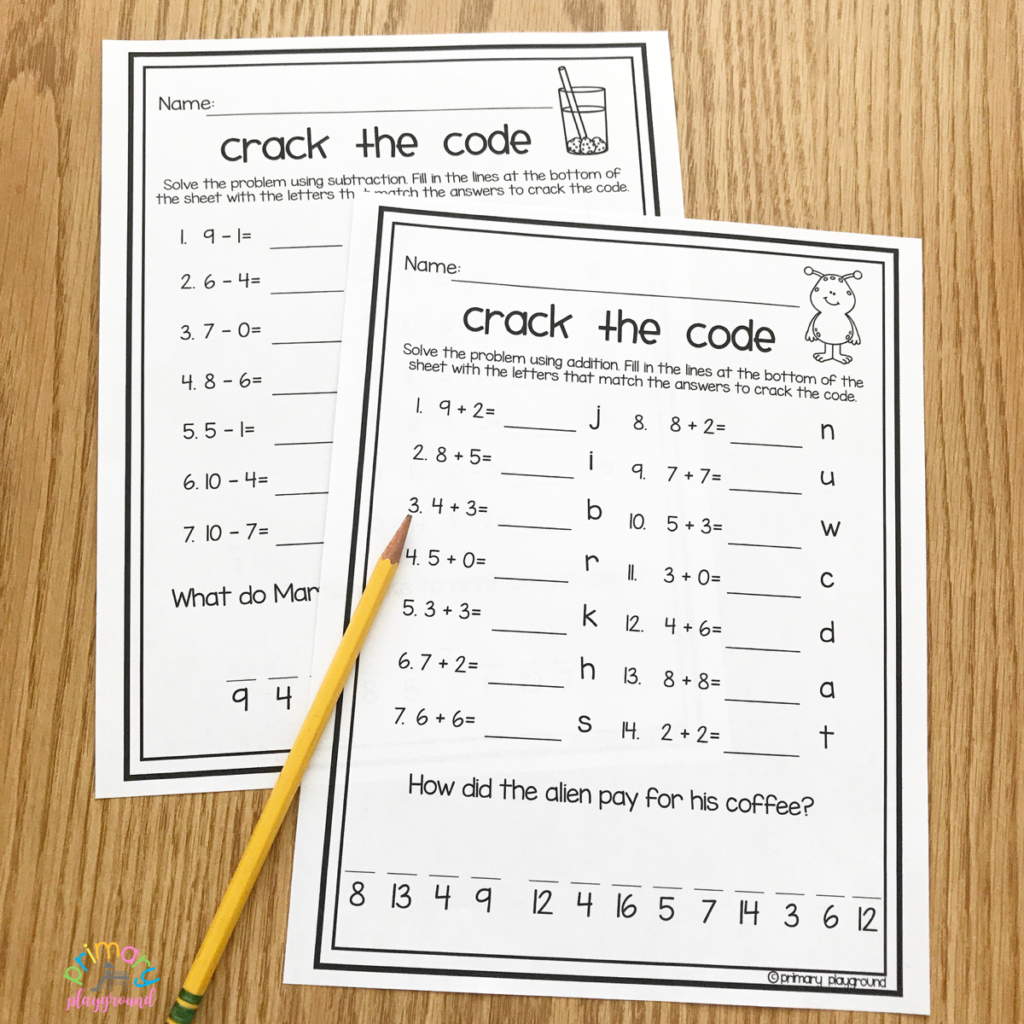
Introduction and Importance of autumn math worksheet
Seasonal learning materials, especially those tied to specific times of the year, like fall, offer a unique opportunity to engage learners through relatable themes and contexts. The value of incorporating thematic activities into educational curricula lies in the potential to make abstract concepts more tangible and enjoyable. This is particularly true for mathematical skills. When mathematical problems are framed within the context of familiar fall imagerysuch as pumpkins, leaves, and harvest themeslearners are more likely to develop a positive attitude towards the subject. Furthermore, these seasonally themed resources can effectively reinforce essential math skills such as counting, addition, subtraction, multiplication, division, and problem-solving. The resources are beneficial for use at home, providing a structured learning experience beyond the classroom, or within a school environment, supplementing existing lesson plans. The ability to adapt these resources to various grade levels and skill sets makes them a flexible tool for educators and parents alike. Such learning activities can effectively reduce math anxiety and foster a deeper understanding of numerical concepts through relatable contexts.
💡 Educational Key Takeaways:
- Core Skill: Structured Autumn Math Worksheet focused on developing pencil grip, stroke control, and early literacy/math confidence.
- Target Scope: Suited for homeschoolers, preschool, kindergarten, and elementary learners.
- Best Recommendation: Practice 10–15 minutes daily with ergonomic writing tools to reinforce muscle memory without hand fatigue.
Structure and How It Works
A typical thematic resource is often structured to provide a varied and comprehensive learning experience. The layout generally includes sections tailored to different mathematical concepts, ranging from basic arithmetic to more complex problem-solving tasks. Core Exercises: These encompass fundamental math operations, such as addition, subtraction, multiplication, and division. Problems might involve counting autumn-themed objects, such as leaves or apples, or solving word problems related to harvest scenarios. These exercises reinforce basic skills and help build a strong foundation. Interactive Elements: The resource might also incorporate puzzles, riddles, or games designed to make learning more engaging. These could include number matching games featuring fall imagery or logic problems related to seasonal activities. Advanced Applications: For older learners, the resource may include exercises involving fractions, percentages, or geometry, all within the context of autumn themes. This could involve calculating the area of a pumpkin patch or determining the ratio of red leaves to yellow leaves. The activities are designed to be easily adaptable to different skill levels and learning styles, making them a versatile tool for educators and parents. Visual aids and clear instructions are important components of each section, to facilitate independent learning and minimize confusion. Related guide: Domino Worksheets For Kindergarten.
Tips and Complementary Resources
To maximize the benefits of these activities, a structured approach is recommended. Daily Practice Tips: Short, focused sessions are often more effective than lengthy, infrequent ones. Dedicate a specific amount of time each day to completing a few problems or activities. Creating a consistent learning schedule can improve retention and build good study habits. Pairing with Other Resources: Supplementing with other educational materials can further enhance learning. Consider using online math tutorials, educational videos, or interactive math games to provide additional support and variety. Real-world applications, such as counting objects around the home or calculating costs at a farmers market, can also make mathematical concepts more relevant and engaging. Creating a Positive Learning Environment: A positive and encouraging atmosphere is essential for successful learning. Praise effort and progress, and provide constructive feedback when necessary. Celebrate successes and make the learning process enjoyable. By combining a structured approach, supplemental resources, and a positive learning environment, the resources can be effectively used to enhance math skills and build confidence.
Conclusion
In summary, learning materials themed around autumn offer a captivating method to enhance mathematical skills. Its thematic approach transforms abstract concepts into engaging activities, making learning both enjoyable and effective. The benefits range from reinforcing basic arithmetic to fostering problem-solving abilities, all within a relatable seasonal context. By providing structured exercises, interactive elements, and opportunities for real-world application, this kind of activity can build a strong foundation in mathematics. Educators and parents are encouraged to incorporate this type of resource into their teaching strategies, creating a positive and stimulating learning environment. Beyond the classroom, engaging with thematic learning materials can inspire a love for learning and build confidence in mathematical abilities. Further, exploring similar seasonal resources or supplementary online tools can continuously enrich the educational journey, ensuring a well-rounded and comprehensive understanding of mathematical concepts. The resource’s potential to adapt to various skill levels ensures its continued relevance and effectiveness across diverse learning needs.
Developmental Milestone & Activity Table
| Development Stage | Recommended Daily Duration | Primary Learning Objective |
|---|---|---|
| Preschool & Pre-K | 10 – 15 Minutes | Pencil grip development & basic pre-stroke lines |
| Kindergarten | 15 – 20 Minutes | Letter/number formation & spatial line awareness |
| Early Elementary (Grade 1–2) | 20 – 30 Minutes | Fluency, sentence construction & neatness |
Images References :
Discover more printable learning activities by visiting our full Fun and Seasonal Math Worksheets archive for teachers, homeschoolers, and parents.